Bitcoin’s October flash crash exposed the vulnerability of a rally that had been widely expected to define 2025, while also highlighting a shift in how the cryptocurrency is being priced by investors.
Entering the year, bullish forecasts for bitcoin were abundant, with some calling for prices to surge to between $180,000 and $200,000. The market did reach a historic milestone — just far earlier, and far less sustainably, than most had anticipated.
Bitcoin climbed to an all-time high above $126,200 on Oct. 6, beating many price models to the punch. Four days later, a sudden flash crash reversed the momentum, sending prices sharply lower and underscoring the market’s continued sensitivity to liquidity shocks.
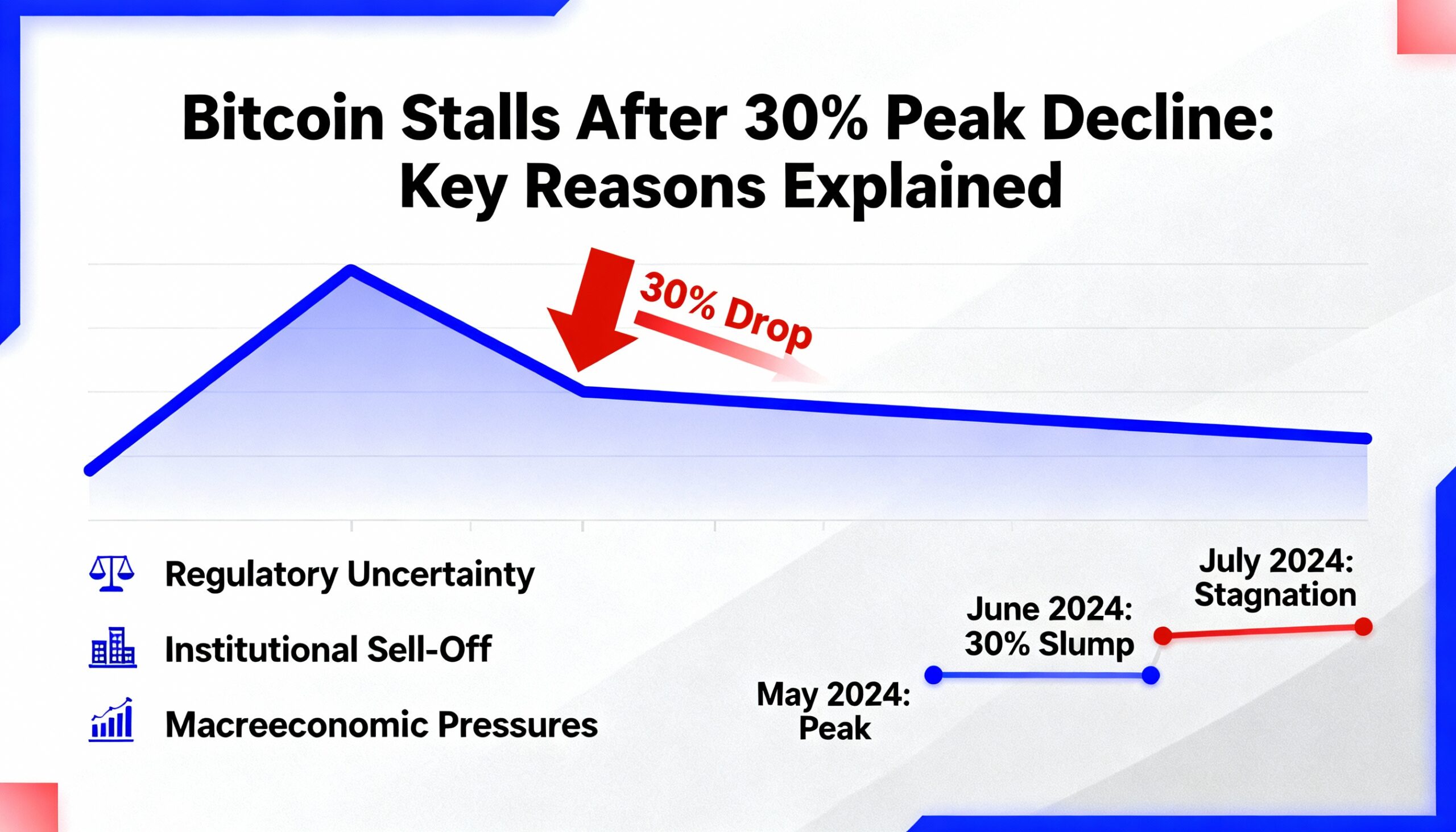
Since that peak, bitcoin has fallen roughly 30% and now sits more than 50% below many of the aggressive year-end targets set by analysts. Rather than extending its gains, the cryptocurrency is down about 6% in 2025 and has spent much of the past two months trading in a tight range between $83,000 and $96,000, according to TradingView data.
The selloff caught traders off guard, wiping out months of leveraged bullish positioning in minutes. But it did not amount to a fundamental breakdown, said Mati Greenspan, founder of Quantum Economics. Instead, he described the move as a repricing that reflects bitcoin’s growing integration into broader macro and risk-asset markets.
“Bitcoin was repriced as a risk asset, not a revolution,” Greenspan said.
“The October 10 flash crash wasn’t a failure,” he added. “It was a liquidity event driven by macro stress, trade-war fears and crowded positioning, revealing how front-loaded the cycle had become.”
The abrupt change in trading behavior has complicated price forecasting and forced even some of the crypto sector’s most prominent analysts to reassess their outlooks.