Bitcoin Stalls as ETF Buying Offsets Selling Ahead of CPI
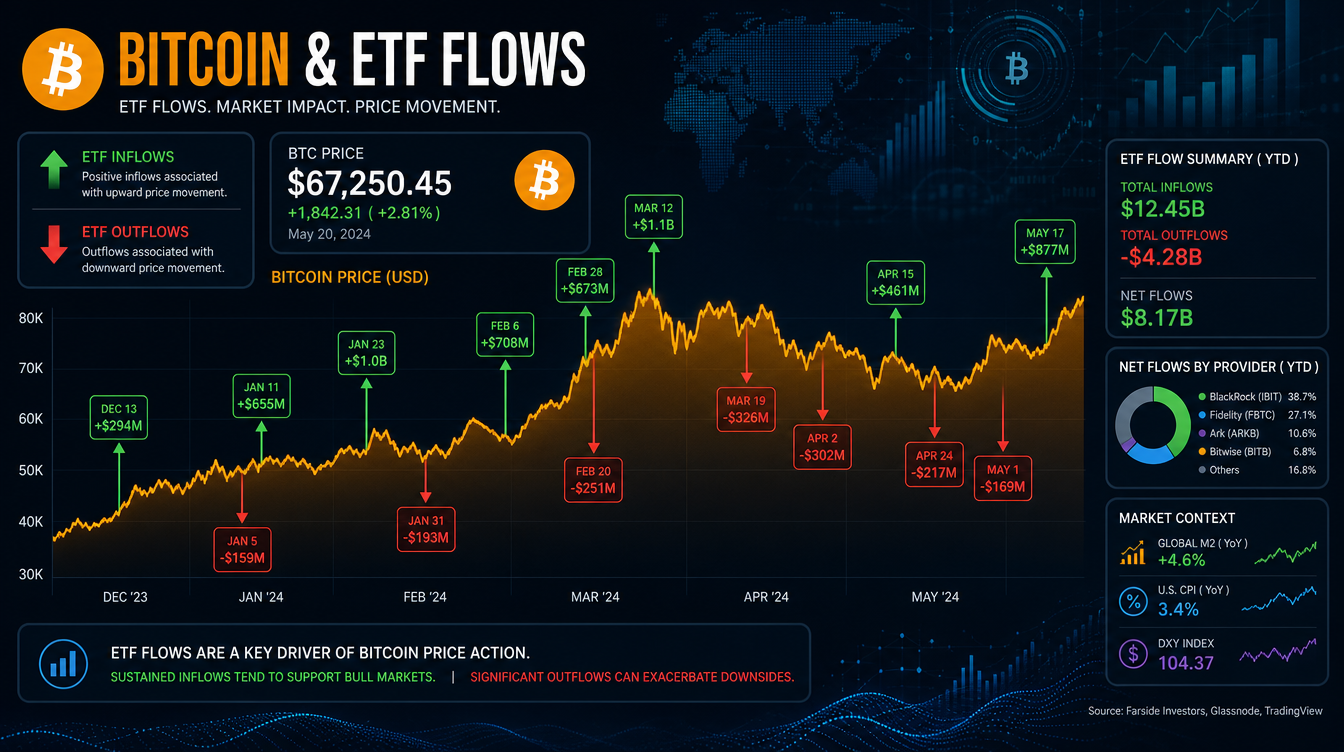
Bitcoin remained largely unchanged Tuesday, extending its prolonged period of range-bound trading as continued ETF demand was balanced by selling from miners and corporate Bitcoin holders.
BTC fell to around $63,500, marking a decline of roughly 0.6% over 24 hours. The move left Bitcoin firmly inside the $62,000-$66,000 range that has defined much of its trading activity this summer.
Paul Howard, senior director at trading firm Wincent, said Bitcoin’s recent price action has been shaped by a battle between steady ETF inflows and over-the-counter selling from miners and Strategy.
Crypto market activity has also weakened significantly. Howard noted that trading volumes have dropped to their lowest level in about three years, leaving insufficient momentum for Bitcoin to establish a clear direction.
Bitfinex analysts pointed to a similar dynamic, noting that spot ETFs and Bitcoin treasury companies have supplied relatively insensitive demand. However, selling from corporate treasury holders has recently offset some of that buying.
The conflicting flows help explain why Bitcoin advanced only around 2% last week despite strong ETF inflows and gains across broader risk assets.
Inflation Report Could Break the Stalemate
The latest U.S. CPI report could provide the catalyst needed to push Bitcoin out of its narrow trading range.
Jeff Anderson, managing partner at STS Digital, said market conviction remains weak on both sides as reduced summer liquidity keeps volatility suppressed.
Implied volatility has dropped considerably as traders wait for clearer signals on Federal Reserve policy and the progress of the Digital Asset Market Clarity Act.
Anderson said the compressed volatility could set the stage for a significant move if Bitcoin breaks above or below its current range.
Wednesday’s inflation figures are particularly important because they represent the first major CPI reading since Fed Chair Kevin Warsh delivered inflation-focused remarks following the July Fed meeting.
Howard expects Bitcoin’s consolidation to continue into mid-September unless a major fundamental catalyst emerges. Developments surrounding the Clarity Act could provide the next significant source of momentum.
Derivatives positioning also suggests traders remain cautious and well hedged, rather than positioning aggressively for an immediate breakout.
September Seasonality Could Weigh on BTC
If Bitcoin remains stuck in its current range, the seasonal trend entering September could become another factor for traders to consider.
September has historically been Bitcoin’s weakest month. Data from CoinGlass shows BTC has posted an average decline of roughly 4% during September since 2013.
With liquidity still thin, volatility subdued and traders waiting for a clear catalyst, Bitcoin could remain vulnerable to a sharp move once the market finally breaks out of its current range.