Public Bitcoin Miners Quietly Add $1.78B to Market Selling Pressure
Publicly traded Bitcoin miners have emerged as an overlooked source of BTC supply, contributing additional selling pressure as the cryptocurrency struggles to regain momentum.
Bitcoin has dropped roughly 27% since the start of 2026, falling to just below $64,000 and underperforming major traditional markets such as the S&P 500.
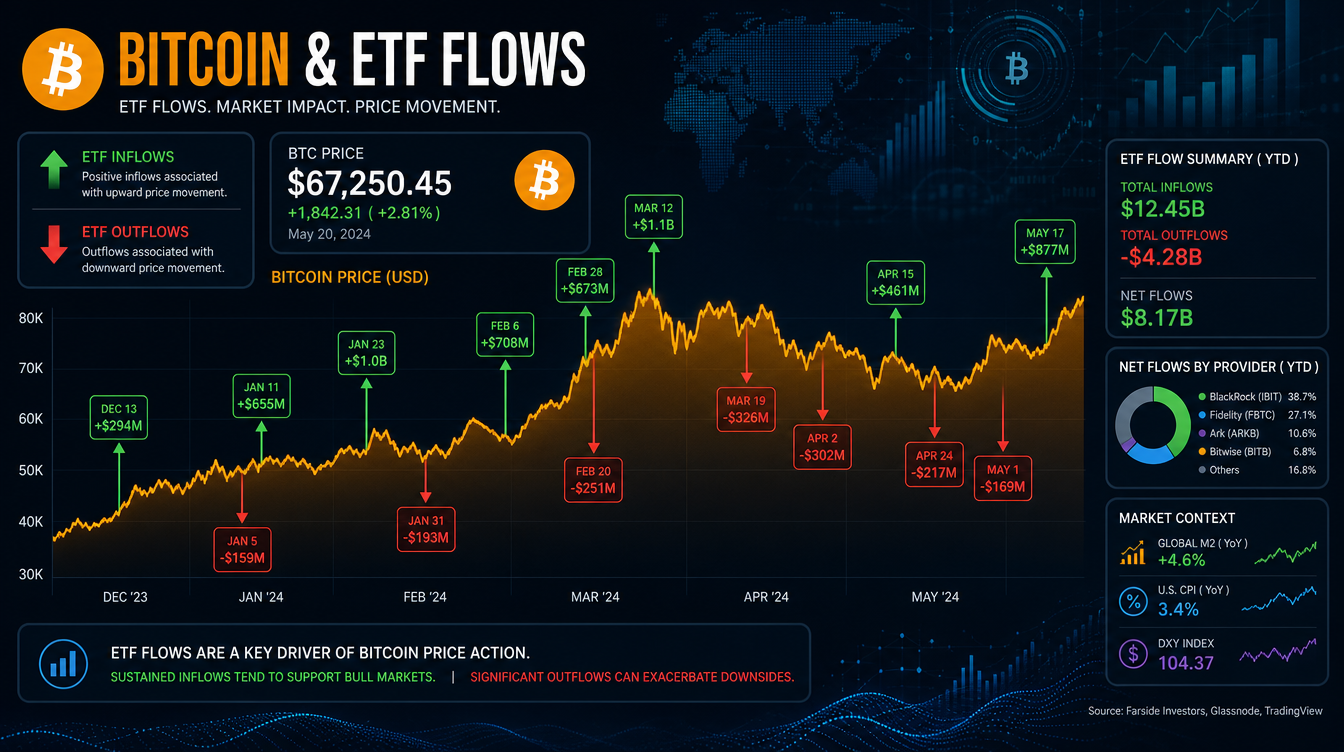
The decline has largely been associated with heavy withdrawals from U.S.-listed spot Bitcoin ETFs. SoSoValue data shows the funds have recorded more than $4.4 billion in net outflows, while selling from dormant Bitcoin holders and corporate treasury firms, including Strategy, has also weighed on the market.
Public mining companies have received less attention despite regularly receiving newly issued BTC and potentially selling part of their holdings.
Blockware Intelligence data indicates that publicly listed miners collectively held about 127,000 BTC at the beginning of the year. That figure has since dropped to roughly 99,000 BTC, suggesting the group has sold approximately 28,000 BTC, currently worth around $1.78 billion.
The figure is smaller than ETF outflows, but marginal supply can have an outsized effect on prices. When demand is already weak, a steady stream of additional selling can make it harder for an asset to establish a recovery.
Blockware Solutions described early-year miner selling as an underappreciated factor contributing to Bitcoin’s disappointing performance in 2026.
High Mining Costs Encourage an AI Pivot
Mining companies are also dealing with shrinking margins, with the average cost of producing a Bitcoin estimated at about $74,300.
As profitability becomes more difficult, several miners are turning toward AI-related businesses and using their existing high-voltage power infrastructure to support data-center operations.
At the same time, Bitcoin mining difficulty has declined by approximately 18% from its November peak, alongside an extended period of declining network hashrate.
The exit of some major miners has reduced competition across the network. That has improved the economics for operators that remain focused on Bitcoin because they can earn a larger share of the network’s block rewards.
Blockware estimates that the remaining miners are generating roughly 18% more Bitcoin than they were 10 months ago.
The shift shows how Bitcoin’s mining industry is changing. Some major operators are selling BTC and redirecting their power resources toward AI infrastructure, while reduced competition is simultaneously improving profitability for miners that continue to mine Bitcoin.