Rising oil and gas prices are driving higher inflation expectations, causing markets to reassess Federal Reserve rate cuts. Traders now see nearly a 40% chance that rates will remain unchanged this year, up from under 3% earlier.
Bitcoin BTC $67,482.86 may have already priced in tighter monetary policy, leaving stocks more exposed to macro shocks, according to asset manager Bitwise. The cryptocurrency has slipped below $70,000, down more than 23.7% year-to-date.
Geopolitical tensions, particularly the U.S.-Iran conflict affecting the Strait of Hormuz, have fueled energy prices and inflation expectations. Prediction markets such as Polymarket and Kalshi now show sharply reduced odds of rate cuts this year.
“Energy prices remain closely tied to inflation expectations,” said Luke Deans, senior research associate at Bitwise. “The recent surge has reversed previous expectations of Fed rate cuts toward renewed tightening.”
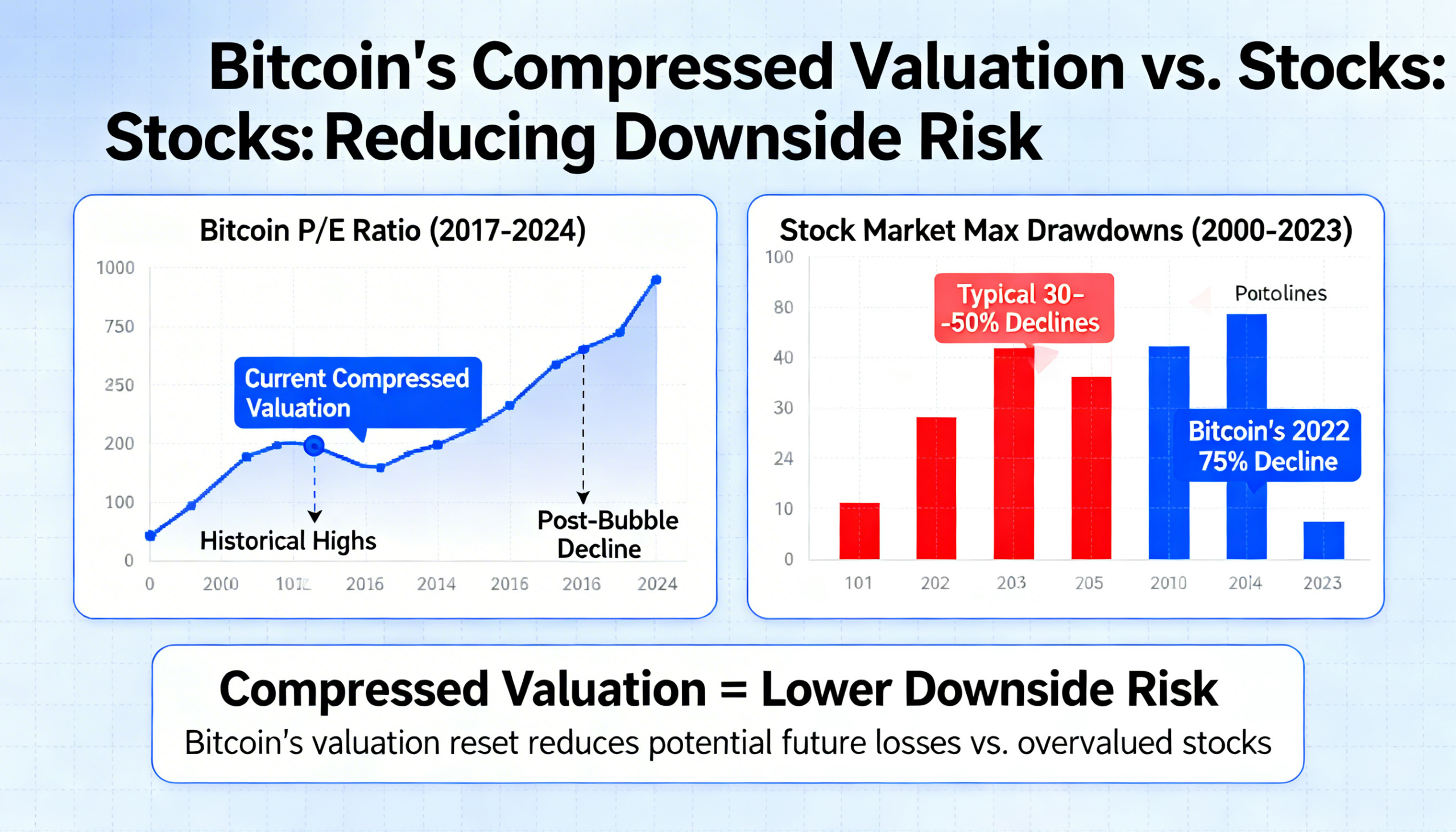
Equities have begun to react, with the S&P 500 down nearly 8% over the past month. By contrast, bitcoin has been drifting lower since October 2025, reflecting its liquidity sensitivity and early response to shifts in investor risk appetite. The Mayer Multiple, which compares BTC’s price to its 200-day average, has stayed in the lower historical percentiles since January, suggesting the cryptocurrency has already adjusted to tighter conditions.
“Assets that have already experienced valuation compression tend to show lower downside risk,” Deans noted. “Markets near cyclical highs remain more vulnerable to negative macro shocks.”
Within crypto, bitcoin’s dominance has strengthened, creating a market largely driven by BTC’s price, with altcoin correlations rising sharply.