Bitcoin Slides Back Despite Wave of Institutional Developments
Institutional involvement in the cryptocurrency market continues to grow, but broader economic forces are preventing bitcoin from maintaining its recent surge.
Bitcoin briefly climbed toward $74,000 earlier this week, supported by several developments that further linked the crypto industry with traditional finance. The move sparked optimism among some analysts, with one suggesting the rally could have staying power.
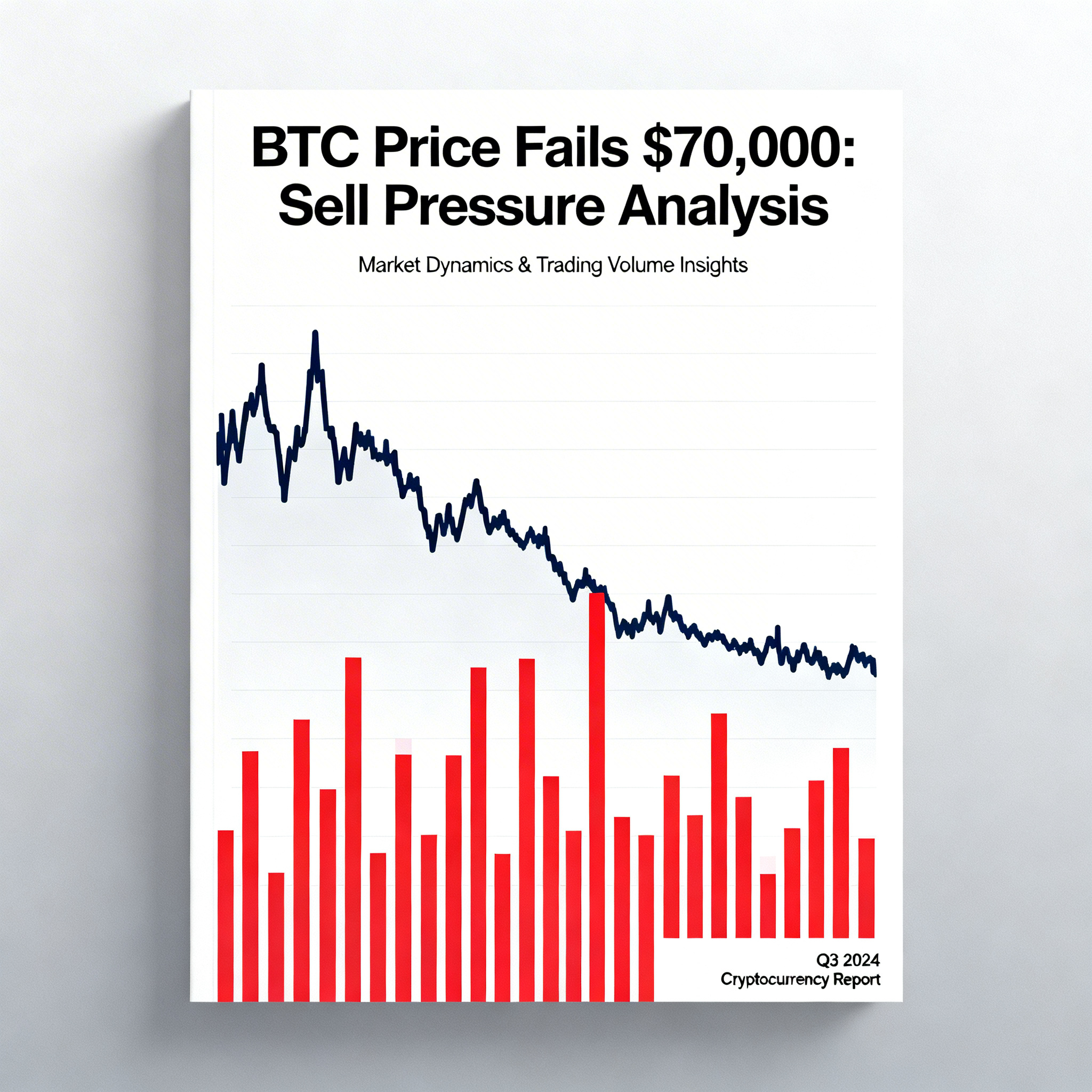
However, the momentum quickly faded. By the end of the week, bitcoin had fallen back below $69,000, wiping out a large portion of its gains and reducing its market capitalization by about $110 billion.
The decline came even though the industry had just experienced one of its strongest waves of institutional news in months.
A number of announcements highlighted the deepening ties between digital assets and major financial institutions. Morgan Stanley selected Bank of New York Mellon as the custodian for its spot bitcoin ETF exposure, strengthening Wall Street’s infrastructure around the asset. Meanwhile, crypto exchange Kraken gained access to the Federal Reserve’s payment network, marking a significant step toward integrating crypto companies into the U.S. banking system.
In another development, Intercontinental Exchange (ICE), which owns the New York Stock Exchange, invested in cryptocurrency exchange OKX at a valuation of roughly $25 billion. At the same time, U.S. President Donald Trump publicly suggested that traditional banks should establish workable relationships with the crypto sector.
In earlier market cycles, news like this might have sparked a powerful rally, as institutional adoption was widely viewed as the key trigger for a long-term bull market. Now that institutional participation is already well underway, however, broader macroeconomic forces appear to be driving market sentiment.
The latest drop in bitcoin’s price was largely linked to the strengthening U.S. dollar, which gained momentum as geopolitical tensions escalated in the Middle East. After President Trump dismissed the possibility of negotiations with Iran, declaring that there would be “no deal with Iran,” oil prices surged.
The jump in oil prices raised concerns about renewed inflation and prompted investors to reassess expectations for interest rates. Even though recent labor market data indicated signs of weakness, the combination of rising energy prices and geopolitical uncertainty pushed the dollar higher.
As the dollar strengthened, risk assets around the world faced pressure. Equity markets moved lower, and cryptocurrencies — which increasingly trade in tandem with technology stocks and other risk-sensitive assets — followed the same trend.
At the same time, investors were rattled by signs of strain in the global private credit market. Reports indicated that BlackRock had begun restricting withdrawals from its $26 billion private credit fund as redemption requests increased. The development came after similar stress emerged at Blue Owl, which sold about $1.4 billion in loans last month to meet investor withdrawals.
Together, these developments contributed to a more cautious mood in financial markets.
The week’s events highlight a growing shift in the crypto landscape: macroeconomic conditions are now having a stronger influence on bitcoin’s price than industry-specific news.
Over the past few years, bitcoin has become increasingly correlated with traditional risk assets such as the Nasdaq. As hedge funds, asset managers, and exchange-traded funds entered the market, bitcoin began to be treated as part of broader investment portfolios that respond to macroeconomic trends like liquidity conditions, interest rate expectations, and currency movements.
Ironically, the institutional adoption that many in the crypto industry long hoped for has helped create this dynamic. As bitcoin becomes more integrated into traditional financial markets, it is increasingly affected by the same forces that move stocks, commodities, and currencies. When the dollar strengthens or expectations for higher interest rates rise, liquidity across markets tends to tighten — and cryptocurrencies are rarely immune.
That said, the steady flow of institutional developments still signals long-term progress for the industry. Expanding custody services, deeper banking connections, and new investments in crypto exchanges suggest that a more mature market structure is gradually taking shape.
In the short term, however, macro uncertainty appears to have prompted many short-term bitcoin holders to take profits as the price approached $74,000.
According to CryptoQuant analyst Darkfost, short-term investors moved more than 27,000 BTC — worth around $1.8 billion — to exchanges within a 24-hour period, marking one of the largest spikes in exchange inflows in recent months.
Short-term holders are typically the most reactive participants in the market, often trading in and out of positions to capture quick gains rather than holding assets over longer periods. Because bitcoin markets still have relatively thin liquidity compared with traditional assets, concentrated selling from this group can significantly influence price movements.
On-chain data suggests that only investors who accumulated bitcoin between one week and one month ago — at an average realized price of around $68,000 — remain in profit among short-term holders. This indicates that some recent buyers who entered above that level may have chosen to lock in gains instead of maintaining their positions.
For now, with the crypto market still dealing with a broader downturn that began in early October and global economic uncertainty remaining elevated, investors appear focused mainly on short-term price movements.
Signs of Renewed Interest
Despite recent volatility, there are some positive signals emerging.
A recent Binance Research report showed that U.S. spot bitcoin ETFs recorded approximately $787 million in net inflows last week — their first positive weekly inflow since mid-January. The data suggests that some institutional investors may be gradually returning to the market after weeks of persistent outflows.
In addition, several large university endowment funds recently indicated they are exploring alternative investment opportunities, including ETFs linked to digital assets. With traditional equities trading at historically high valuations, some long-term investors are looking to diversify into new asset classes.
The Binance report also noted that speculative activity in the crypto market appears to have cooled considerably. Bitcoin funding rates have dropped to their lowest level since 2023, signaling that many leveraged long positions have already been unwound.
Historically, such conditions can create a healthier environment for more sustainable price increases driven by genuine demand rather than short-term speculation.
Still, sentiment among traders remains cautious.
Some market participants have described the sharp surge earlier this week as a “bull trap” — a temporary breakout that draws in buyers before prices reverse lower. While institutional involvement in crypto continues to expand, a combination of thin liquidity, fragile sentiment, macroeconomic headwinds, and a lack of clear catalysts suggests that volatility could remain a defining feature of the market in the near term.