Large-cap cryptocurrencies are drifting lower even as Asian stock markets notch modest gains, with investors juggling quantum computing concerns, evolving ETF flows and signs that bitcoin’s broader momentum may be fading.
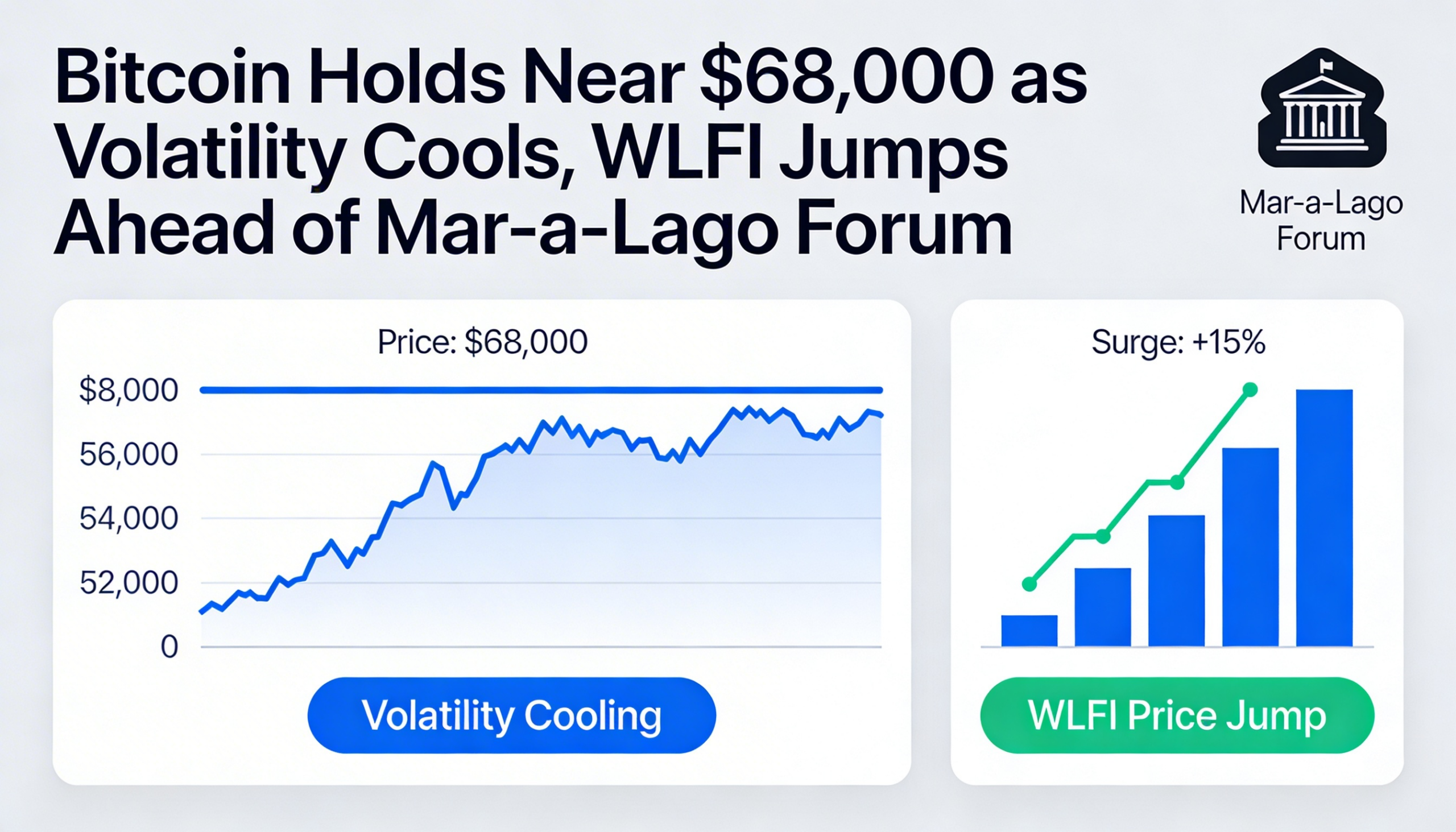
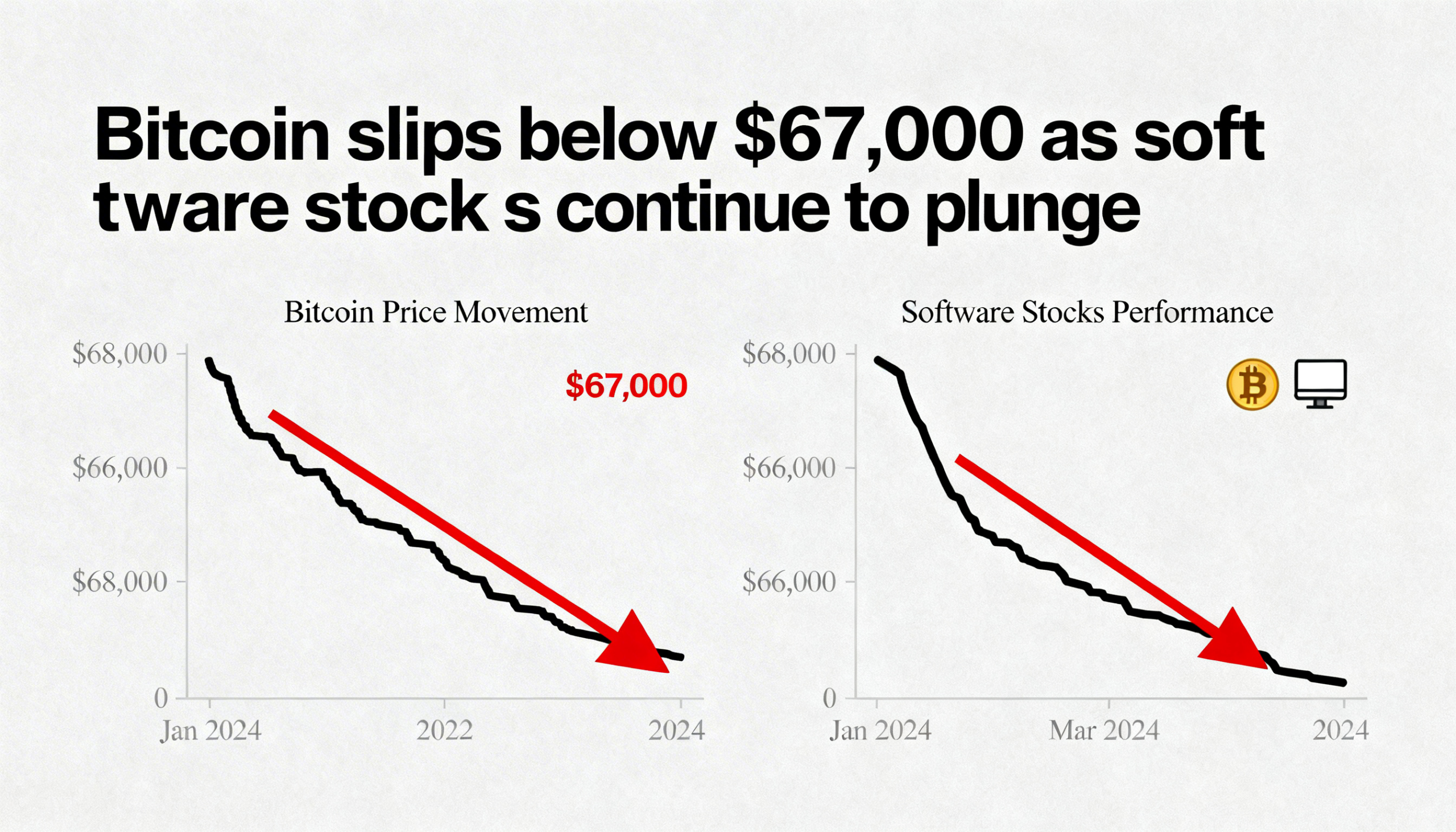
Bitcoin (BTC) has retreated below $68,000 after failing to hold an earlier move above $70,000. The breakout attempt at the start of the week quickly ran into resistance, pushing prices back toward $67,000. By early Wednesday, bitcoin was trading around $68,000 — steady intraday but now sitting beneath what had recently been a short-term support zone.
The loss of that level is technically important. The $68,000–$70,000 corridor had provided a base through much of early February. Falling below it raises the risk that rebounds will attract sellers rather than fresh buying interest. A clear move under $67,000 could expose $65,000 next, with $60,000 emerging as a deeper downside target.
Over the past week, bitcoin, ether and BNB have each slipped by up to 3%. Meanwhile, smaller-cap tokens such as Zcash’s ZEC and Cosmos’ ATOM have rallied as much as 20%. Historically, however, sustained gains in altcoins are difficult to maintain when leading assets are under pressure.
“The decline of the largest coins is an ominous sign for smaller ones, as it may soon pull them down with it at an accelerated pace,” said Alex Kuptsikevich, chief market analyst at FxPro.
On-chain data from CryptoQuant suggests the market has entered a period of stress but has yet to experience the scale of realized losses typically associated with a definitive cycle bottom. That may indicate the current correction has further room to run.
Adding to market unease, debate around quantum computing risks has resurfaced. While some investors worry about long-term implications for cryptography, developers continue to argue that meaningful threats remain distant.
In governance discussions, Adam Back, CEO of Blockstream, criticized a proposed BIP-110 change aimed at reducing network spam, cautioning that altering transaction standards could create reputational challenges.
Institutional positioning is also shifting. Harvard University’s endowment reduced its bitcoin ETF exposure by more than 20% in the fourth quarter, although the allocation remains its largest publicly disclosed crypto investment.
Beyond digital assets, Asian equities advanced during thin Lunar New Year trading. The MSCI Asia Pacific Index rose 0.6%, led by gains in Japan, while U.S. equity futures ticked higher as recent AI-related volatility eased.
For bitcoin, the near-term outlook hinges on key levels. A sustained move back above $70,000 would help reestablish bullish momentum. Another rejection, however, could reinforce expectations of a deeper pullback.