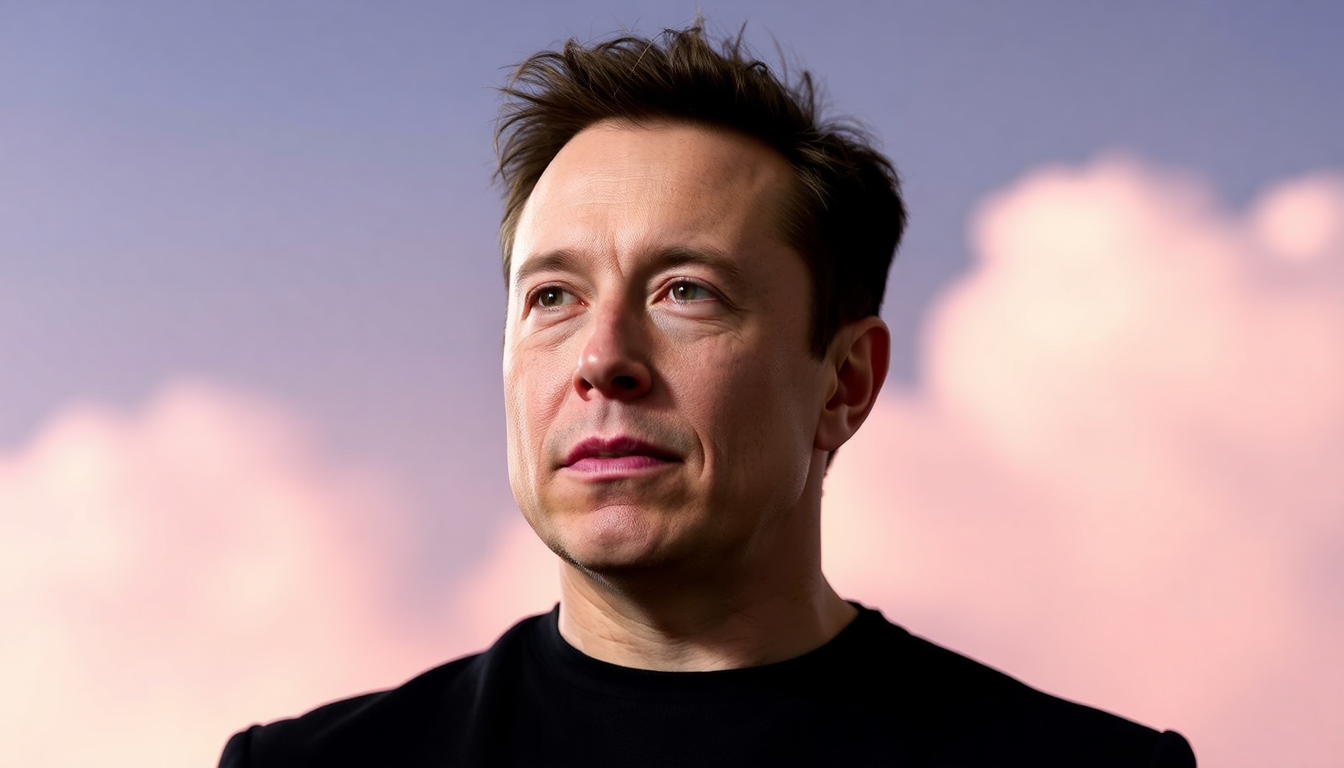
SpaceX has reportedly secured $40 billion in debt financing to purchase AI chips, while Elon Musk has warned that widespread consolidation could eliminate most smaller cloud providers focused on artificial intelligence.
The Nasdaq-listed company, trading under the ticker SPCX at $146.59 in the supplied market data, raised the financing to acquire graphics processing units (GPUs), the specialized processors used to power AI models and computing workloads.
Musk announced the deal on X alongside a warning about the future of neocloud companies, which primarily generate revenue by renting AI computing capacity through data centers. His comments could intensify concerns among investors about the sustainability of the AI investment boom, potentially weighing on broader financial markets and cryptocurrencies.
The $40 billion financing mainly consists of callable debt, which allows SpaceX to repay the borrowing ahead of schedule. The funds could help cover GPU deliveries anticipated in the first half of 2027, although Musk did not explicitly confirm that timeline. Reuters had previously reported that SpaceX was negotiating with banks and asset managers to raise the same amount for Nvidia AI processors.
Starlink Revenue Gives SpaceX a Financing Advantage
Musk attributed SpaceX’s ability to secure such a large loan to its strong credit profile and recurring income from Starlink internet subscriptions and rocket launches.
Unlike businesses that rely almost entirely on AI data centers, SpaceX generates revenue from operations outside the AI infrastructure sector. That diversification gives lenders greater confidence in its ability to service debt.
Musk said borrowing conditions have deteriorated sharply for companies without substantial revenue streams beyond AI data centers. According to his post on X, debt markets have largely stopped providing financing to businesses that lack meaningful income independent of AI infrastructure.
He also predicted that more than 200 neocloud providers could eventually undergo consolidation, with only a handful remaining competitive.
AI Infrastructure Costs Put Smaller Providers Under Pressure
The financing highlights the growing expense of competing in the AI computing market. Building large GPU clusters requires substantial capital, sometimes reaching tens of billions of dollars. Companies with established revenue streams and stronger credit ratings are better positioned to fund these investments, while businesses dependent on AI infrastructure face increasing scrutiny from lenders.
Venture capitalist Chamath Palihapitiya had previously questioned the financial strength and operational management of many neocloud companies. He argued that major cloud providers such as Amazon, Microsoft and Google were approaching deals cautiously and often preferred to reserve computing resources for their own operations.
Palihapitiya also warned that delays in data center construction could leave GPUs and partially completed facilities sitting idle. If these projects fail to generate sufficient revenue, operators could struggle to cover borrowing costs in 2027.
Investor Concerns Over AI Spending Continue to Grow
Financial markets have become increasingly focused on whether the enormous sums being invested in artificial intelligence will produce sufficient returns. These concerns have put pressure on AI-linked stocks and contributed to broader market weakness.
Nasdaq futures were trading near 29,080 at the time of writing, down considerably from levels above 30,000 earlier in the month.
SpaceX’s financing underscores a growing divide within the AI infrastructure sector: companies with diversified businesses and reliable cash flows may retain access to substantial capital, while neocloud providers dependent on continued AI demand could face mounting financial pressure.