Study Challenges ‘Wisdom of Crowds’ in Prediction Markets
Prediction markets may owe their accuracy to a small group of informed traders rather than the collective insight of the crowd, according to new research analyzing activity on Polymarket.
The study arrives as the sector faces scrutiny, including a case involving a U.S. Green Beret accused of betting on a classified military operation. Researchers suggest such incidents may not be isolated, but instead highlight how a minority of well-informed participants can drive market outcomes.
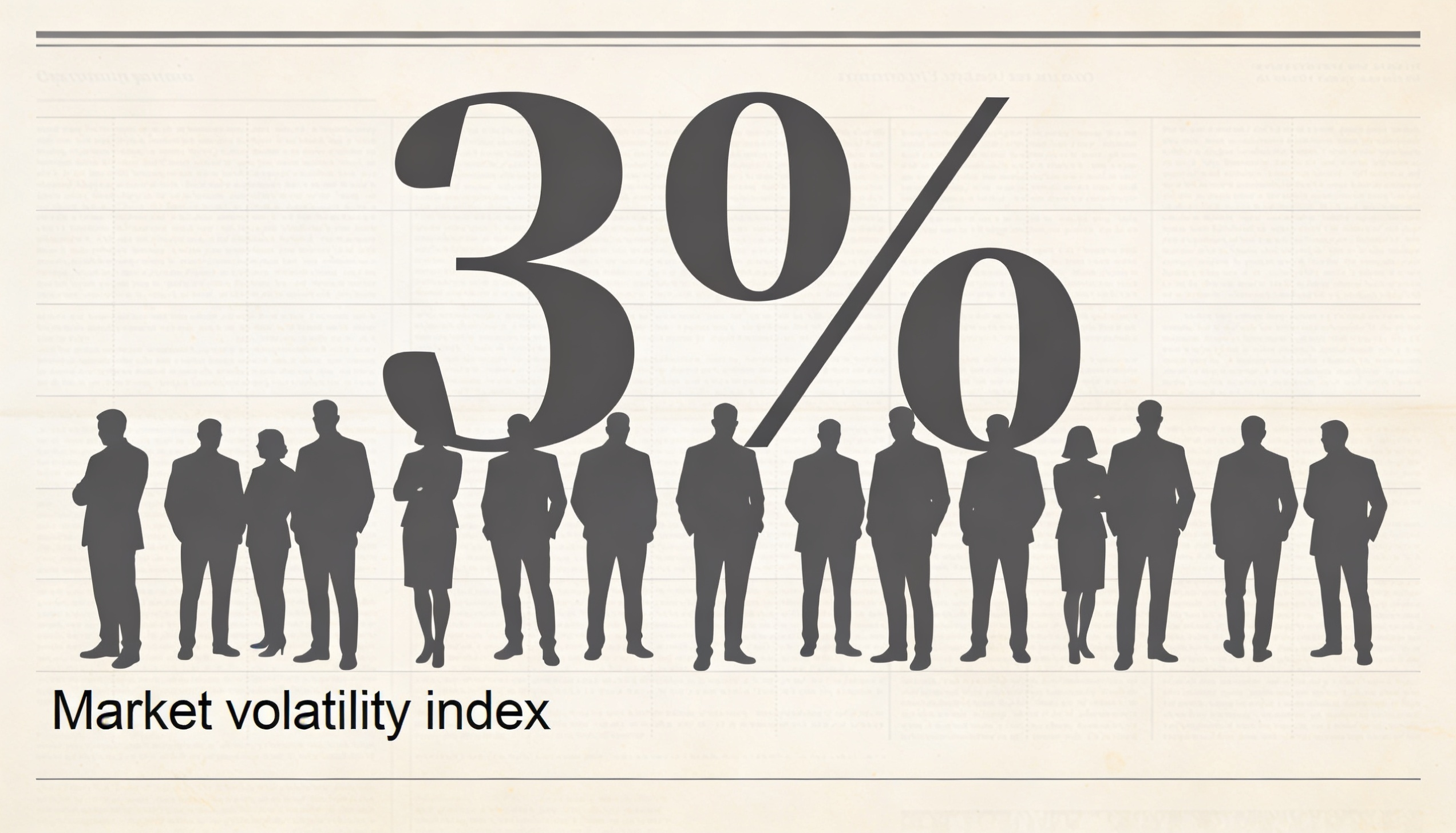
In a working paper by academics from London Business School and Yale, researchers examined all Polymarket trades from 2023 to 2025, covering 1.72 million accounts and $13.76 billion in volume. They found that just 3% of traders account for the majority of price discovery.
These traders consistently move markets toward correct outcomes, while the remaining 97% largely provide liquidity — and, in aggregate, lose money to the informed minority.
To separate skill from luck, the researchers ran simulations of each trader’s activity 10,000 times, randomizing trade direction while keeping timing and size unchanged. This created a benchmark for performance without any informational edge.
Only a small fraction of traders exceeded this benchmark consistently. Among the most profitable accounts, just 12% demonstrated genuine skill, while many apparent winners were revealed to be benefiting from chance. Roughly 60% of these “lucky” traders underperformed when evaluated against new events.
Despite their limited numbers, skilled traders play a key role in improving market efficiency. Their activity helps align prices with eventual outcomes, particularly as contracts approach resolution, and they tend to react more quickly to new information than the broader market.
However, this informational advantage also raises concerns when it involves non-public data. While platforms like Polymarket and Kalshi prohibit insider trading, the study highlights how such risks can emerge in practice.
One example cited in the research involved the reported removal of Venezuelan leader Nicolás Maduro in January. In the lead-up, three newly created Polymarket accounts placed large bets while market odds remained near 10%. After the event occurred, the accounts generated more than $630,000 in profits. Two accounts stopped trading shortly afterward, while the third became largely inactive. The study found no evidence of wrongdoing.
When insider trading does occur, its effect on prices is far more pronounced — estimated at seven to 12 times greater per dollar than typical informed trades. Even so, such activity appears rare and concentrated in specific events.
Overall, the findings challenge a core assumption of prediction markets: their accuracy appears to depend less on broad participation and more on the actions of a small group of consistently informed traders.