Bitcoin continues to lead major assets in August, holding relatively firm despite a fresh wave of geopolitical tension that has driven crude oil prices higher.
Market uncertainty increased after the U.S. launched an attack on an Iranian island in the Strait of Hormuz, followed by a response from Iran. The strategic waterway is one of the world’s most important oil shipping routes and has experienced disruptions since the conflict began roughly six months ago.
The escalation sent energy prices higher. WTI crude futures gained almost 2% to $85.10 a barrel, while Brent crude rose 1.9% to $92.39, according to TradingView.
Traditional markets were weaker. Gold fell 0.8% to $4,418 an ounce, while Nasdaq futures slipped 0.5% as Asian stock markets also moved lower.
Bitcoin remained comparatively stable during Asian trading. BTC was trading around $77,580, little changed from its midnight UTC level, according to CoinDesk. The cryptocurrency has risen roughly 23% during August, exceeding gold’s 9% gain and the Nasdaq’s 4% advance.
The broader crypto market was somewhat softer, with XRP declining 0.8% and Solana losing 0.6%.
ETF Demand Supports Bitcoin
Bitcoin’s resilience may be partly explained by continued inflows into U.S. spot bitcoin ETFs, along with expectations that the Federal Reserve could respond more aggressively to changing financial conditions following the Treasury’s bond-buyback initiative.
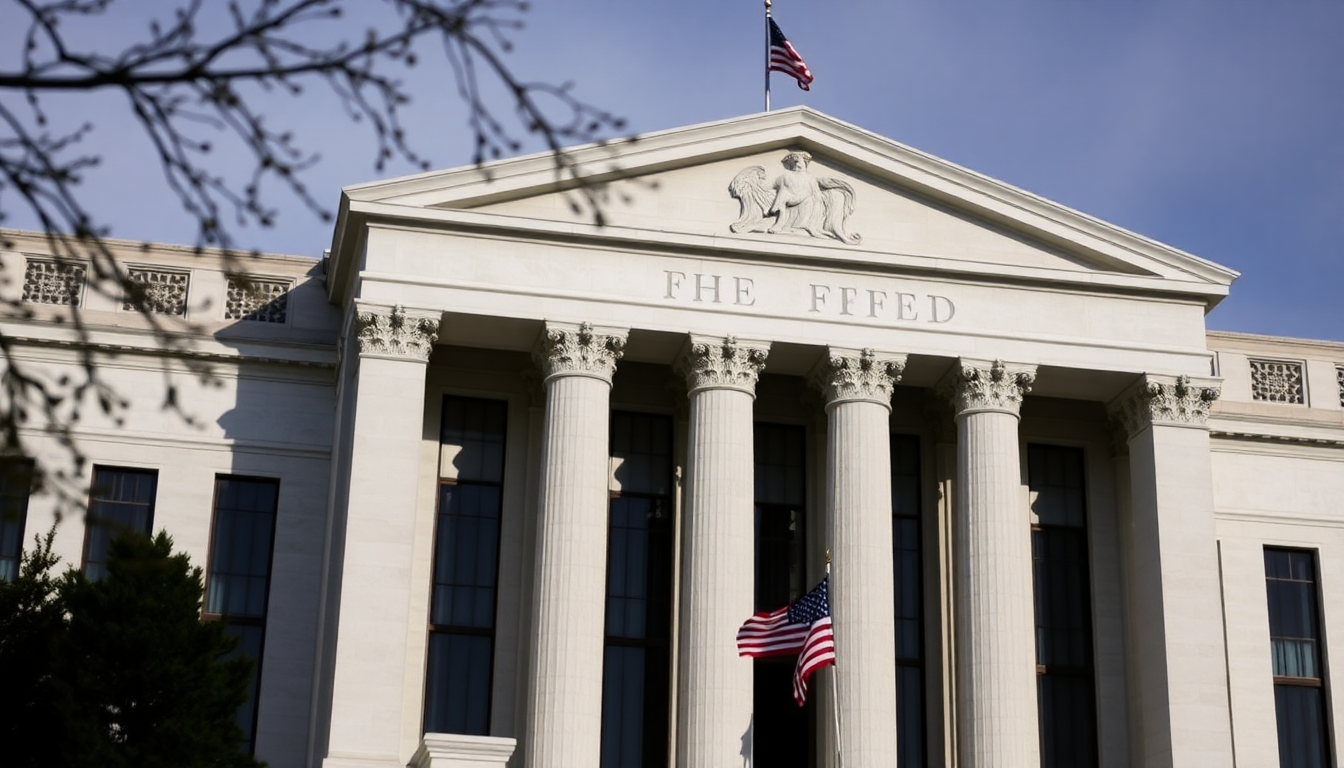
The outlook for rates, however, shifted after Fed Chair Kevin Warsh adopted a hawkish tone at the Jackson Hole Symposium on Friday.
Warsh said inflation remains above a comfortable level and argued that financial conditions are not currently restrictive. He also warned that recent improvements in inflation data were not sufficient to conclude that underlying price pressures had meaningfully eased.
His remarks prompted investors to adjust their expectations for U.S. monetary policy. MUFG FX strategist Lloyd Chan said markets were assigning a 58% probability to a September rate hike and pricing in approximately 1.5 hikes by the end of the year.
Caution Returns to Crypto Markets
With macroeconomic and geopolitical risks still elevated, some market participants are advising traders to limit their exposure to leverage.
Vikram Subbaraj, CEO of India-based Giottus, said traders should favor smaller positions and staggered entries rather than taking aggressive leveraged bets.
He placed bitcoin’s near-term support around $77,000 and identified the $79,400-$80,800 region as a key resistance area. The zone could become particularly important ahead of the U.S. employment report due September 4.
Bitcoin’s ability to remain largely steady while oil climbs and stocks retreat has reinforced its relative strength this month. Still, upcoming economic data and shifting expectations for Federal Reserve policy could determine whether the cryptocurrency can maintain its August outperformance.