Plasma’s Stablecoin Push Sputters as XPL Token Nosedives Nearly 90%
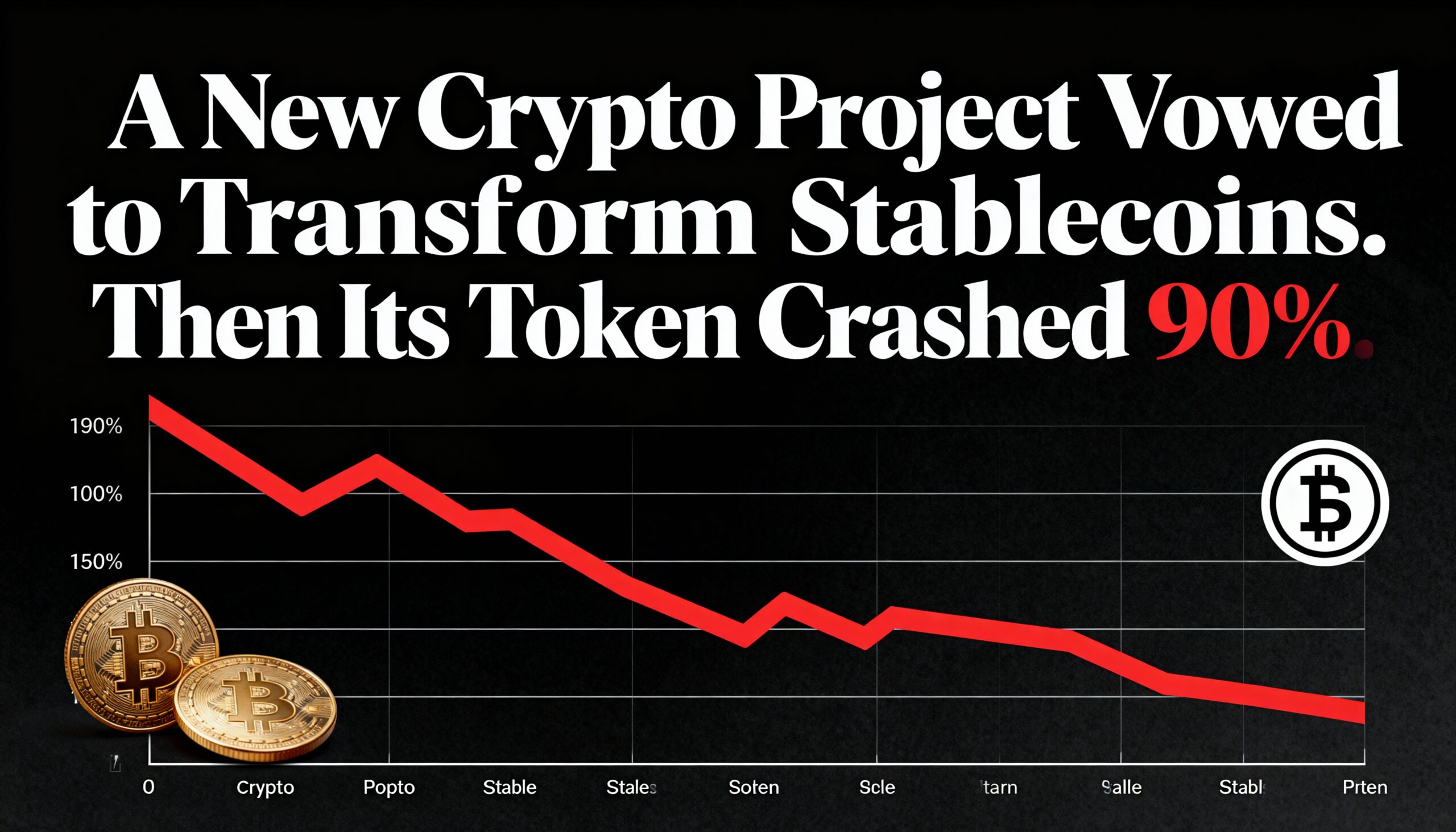
Plasma’s attempt to position itself as the next major stablecoin-focused Layer 1 is losing traction fast. Its native token, XPL, has collapsed close to 90% from its launch peak, and a combination of sluggish activity, supply worries, and muted communication from the team has left investors questioning whether the worst is over.
The project debuted its mainnet in late September with enormous anticipation. Plasma’s token sale drew around $500 million — ten times the initial target — instantly cementing it as one of the most hyped entrants in what many expected to be crypto’s dominant narrative of 2025: blockchains tailored for stablecoin settlement.
Its pitch hit all the essential buzz points: fast finality, high throughput, seamless scaling. The project also touted integrations with Binance Earn, Chainlink Scale, and a partnership with Elliptic. Everything suggested it was ready to make a big splash. Instead, the token stumbled almost immediately.
XPL surged briefly to about $1.67 on Sept. 27, valuing Plasma at more than $2 billion, according to CoinMarketCap. The rally ended abruptly. By late October, the token fell to roughly $0.31 — an 80% drop — and has since drifted into the $0.18–$0.20 zone, marking an 88–90% drawdown from its initial high.
With XPL now trading sideways but far below its early valuation, investors are left wondering whether the market has finally found a floor.
Part of the early momentum came from how quickly Plasma was built. The Milan-based team took less than a year to go from concept to mainnet, a pace even they admitted involved trade-offs. Nevertheless, the idea of a chain purpose-built for stablecoin flows — complete with zero-fee USDT transfers and a banking-like, self-custodial payments experience — caught the market’s attention.
But enthusiasm faded almost immediately after launch. Without compelling on-chain activity or new catalysts, traders migrated to fresher opportunities — a familiar pattern in crypto’s fast-moving market cycles.
Today, usage is strikingly low. Plasma is processing roughly 3.6 transactions per second, well short of the 1,000 TPS potential it advertised. The gulf between promised performance and real adoption has become increasingly difficult to overlook.
The token’s structure also raised eyebrows. Plasma began trading with 1.8 billion XPL already circulating — 18% of its 10-billion cap — with large allocations reserved for insiders and incentives. With more unlocks expected, traders worried about ongoing supply dilution, adding pressure to an already falling token.
The combination of thin demand, large supply, and inflated early expectations left XPL vulnerable to a dramatic correction once the hype cycle cooled — and that’s exactly what unfolded.
A November Update That Failed to Change Sentiment
Plasma’s November progress update, released earlier this month, attempted to reassure the community by outlining seven weeks of engineering and operational work. But the report offered little that addressed the market’s concerns.
The team detailed a codebase refactor, expanded test coverage, and updates to its peer discovery system. The spotlight, however, remains on “Plasma One,” the payments and wallet product meant to become the project’s flagship offering.
Plasma One — positioned as a neobank-like wallet enabling stablecoin yields — could theoretically give the ecosystem real utility. But so far, none of that vision is visible on-chain. The update gave investors more context, but no clear sign of adoption.
Communication Gaps Continue to Raise Questions
One of the market’s biggest frustrations is Plasma’s communication style. Unlike other large crypto projects that engage constantly with their communities, Plasma communicates sparingly and in a corporate, infrequent manner.
That approach has created additional uncertainty in a market that trades nonstop.
CoinDesk repeatedly tried to interview the team. After nearly two weeks of back-and-forth through an external spokesperson, a video interview was approved — then abruptly canceled the night before with no explanation. Plasma suggested a written interview instead, but when CoinDesk submitted questions, the team responded that they were “not in a position to comment.”
After multiple attempts, a spokesperson finally offered a single statement: the team will provide updates and media engagement “when we have significant product developments to share and progress made toward that vision.”
For now, what’s happening inside the project remains largely hidden — and that lack of clarity continues to cast a long shadow over XPL’s already battered market performance.