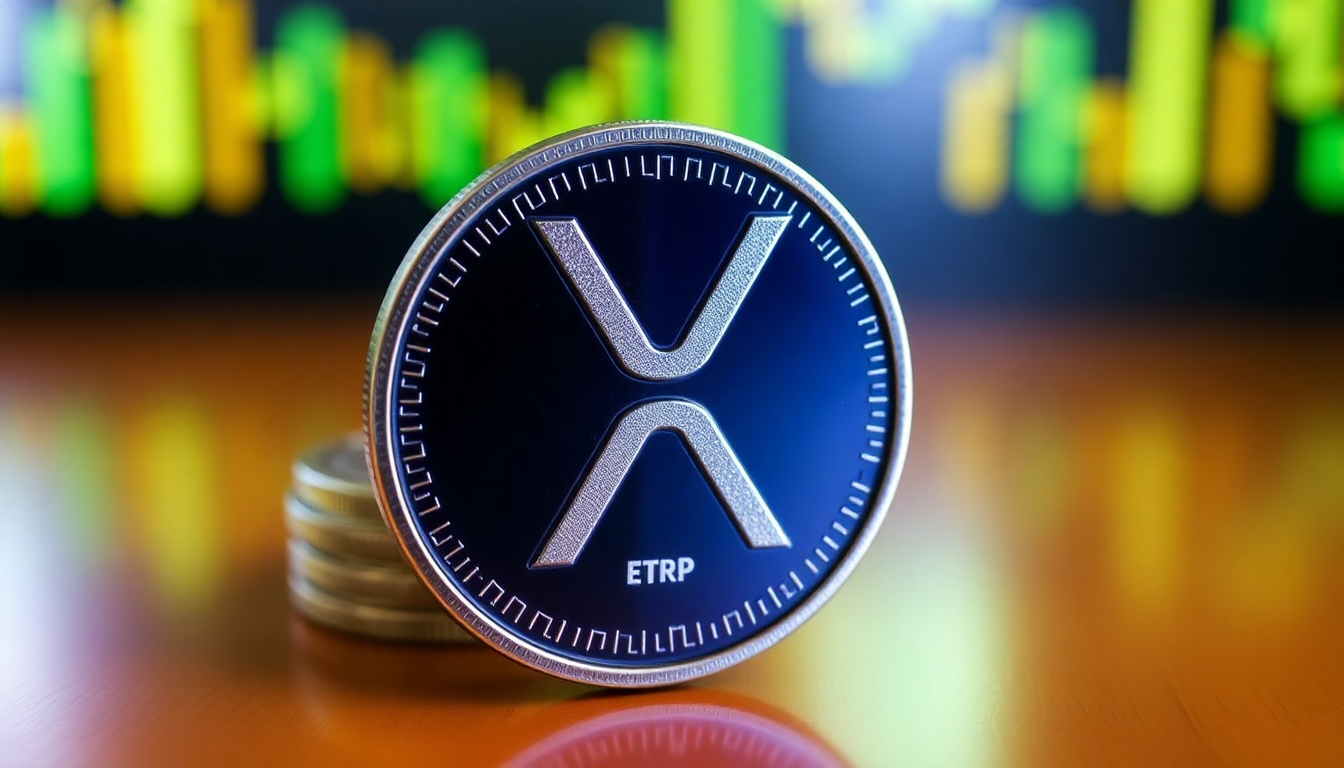



California’s Digital Financial Assets Law (DFAL) comes into force on July 1, requiring any company serving state residents in digital asset activities to either secure a DFAL license, submit a complete application to the Department of Financial Protection and Innovation (DFPI), or shut down covered operations. As of now, no Ripple entity appears on the public list of applicants, adding to uncertainty as XRP slips below the $1.10 level.
The law casts a wide net, covering crypto-to-fiat and crypto-to-crypto exchanges, asset transfers, custody services, and the issuance of reserve-backed products. These provisions directly overlap with Ripple’s California-facing business lines, including payments infrastructure, custody solutions, and RLUSD, its dollar-pegged stablecoin.
To remain compliant by the deadline, firms must meet one of three criteria: hold a DFAL license, have a pending application under review, or qualify for a narrow exemption—primarily limited to banks, certain trust companies, and entities already regulated by the SEC or CFTC.
Ripple has engaged in the rulemaking process, including submitting a formal comment letter urging the DFPI to remove duplicative money transmitter licensing requirements for DFAL-regulated firms. However, regulatory engagement does not equate to a filed application.
Legal analysts, including Chambers-ranked firms, have described DFAL as one of the most far-reaching state-level crypto licensing frameworks in the U.S.
Can XRP Defend the $1 Level?
XRP is currently trading around $1.10, significantly below earlier expectations of $2.50. Price momentum remains weak, with repeated rejection in the $1.15–$1.20 range signaling persistent selling pressure. Despite ongoing regulatory developments, the market has yet to price in a clear bullish outcome.
Investors continue to track key legal developments surrounding Ripple. While a prior court ruling that XRP is not inherently a security removed a major overhang, unresolved issues—such as penalties and potential injunctions—still carry implications for the company’s operations and overall market sentiment.
Technically, XRP must reclaim the $1.15–$1.20 zone to signal any meaningful trend reversal. If momentum improves alongside positive regulatory developments, the next resistance range sits between $1.30 and $1.50, though a sustained breakout would likely require a strong catalyst.
On the downside, support levels are clustered near $1.05 and $1.00. A deterioration in regulatory outlook or broader market weakness could put these levels under pressure. The $1.00 level remains especially critical, as a break below it could accelerate selling.
For now, the market remains in a holding pattern, waiting for clearer signals rather than trading on speculation. While regulatory clarity could lift sentiment, XRP’s longer-term direction will depend on both legal outcomes and a return of stronger demand.