Long-term holder trends are signaling a late-stage bear market, but a clear bottom may still be some distance away as bitcoin navigates a prolonged period of consolidation.
Market participants remain focused on two core questions: how much further bitcoin can fall and how long the current bearish phase is likely to persist.
While “price pain”—marked by sharp declines and volatility—has dominated recent narratives, “time pain” is becoming increasingly relevant. This phase is defined by slow, range-bound trading that gradually exhausts investors, as the absence of momentum weighs on both bullish and bearish positioning.
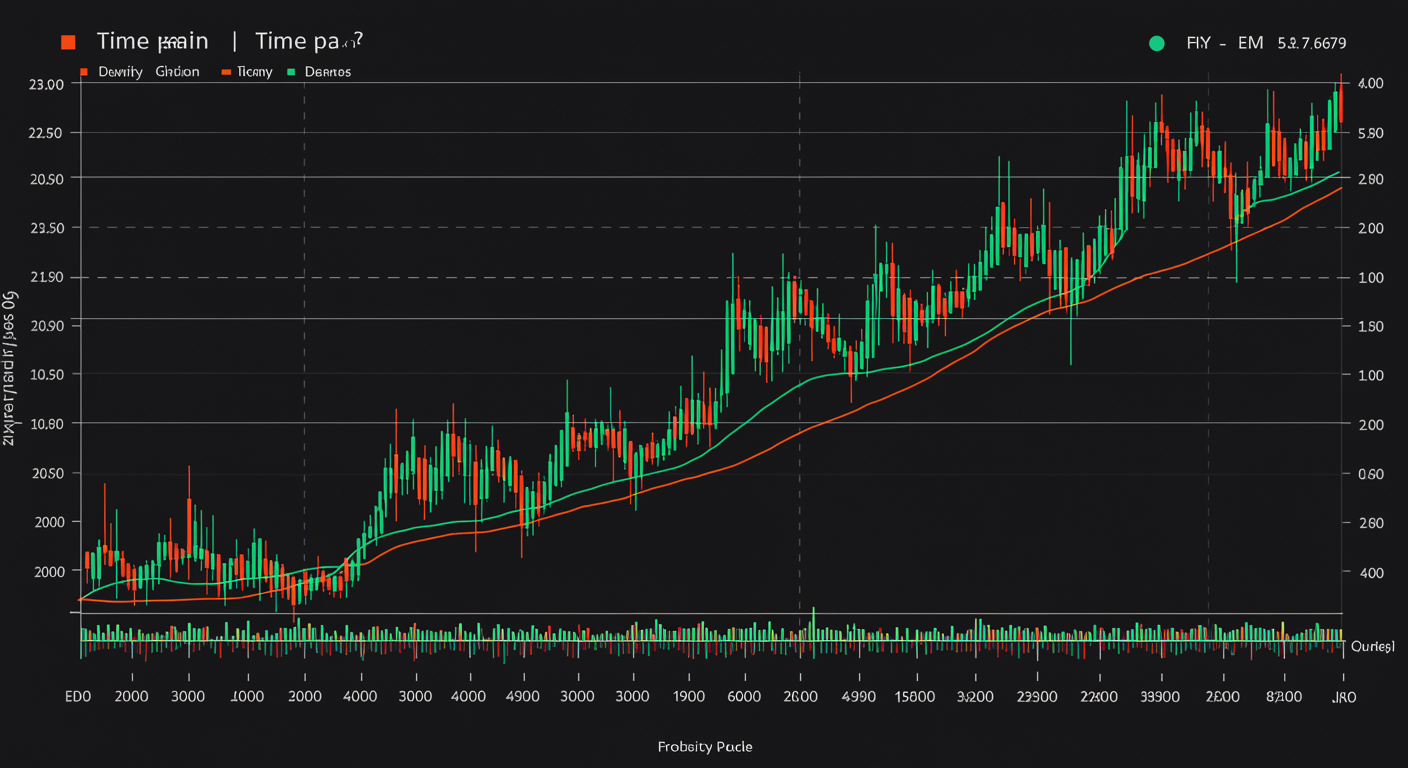
Bitcoin is trading below $66,000, down more than 3% over the past 24 hours and roughly 45% off its October high, extending what has now become a nearly six-month bear cycle.
On-chain metrics indicate that the market is still working through this process. Glassnode’s Realized Cap HODL Waves, which categorizes supply based on how long coins have remained inactive and weights them by their last on-chain transaction price, shows a continued rise in long-term holder participation.
Historically, cycle bottoms have aligned with long-term holders—those holding coins for six months or longer—controlling at least 85% of supply. Typically, price bottoms occur first, followed by a steady increase in long-term holder dominance as accumulation at lower levels takes hold.
Currently, long-term holders account for around 80% of supply. If this trajectory continues, it suggests the market may be approaching a bottoming phase. However, past patterns imply that several more months of subdued, sideways price action could still be required before a definitive floor is established.