Here’s another rewritten version with a more news-focused style:
Cryptocurrency markets turned lower as renewed U.S.-Iran tensions triggered a risk-off move across global markets and pushed energy prices higher.
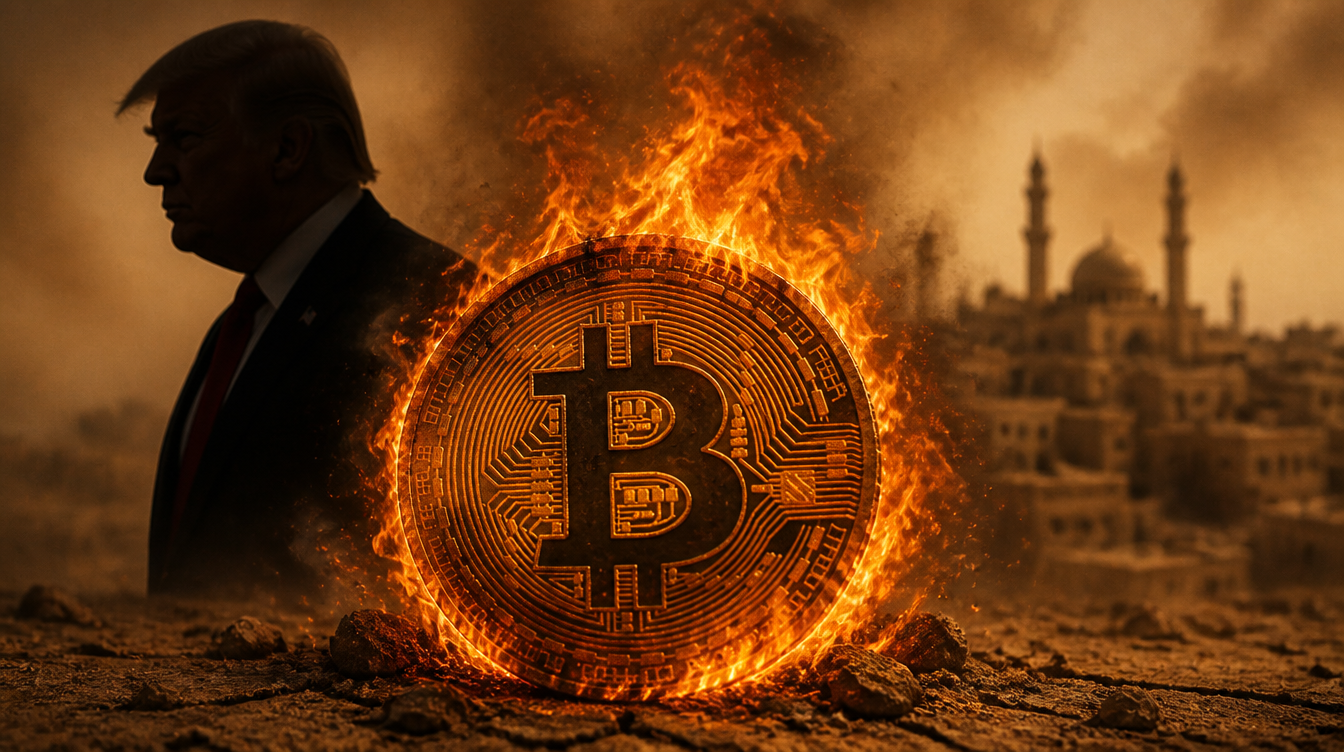
Bitcoin (BTC) and the broader digital asset sector faced renewed selling pressure on Tuesday after fresh airstrikes between the U.S. and Iran sent the dollar higher and prompted President Donald Trump to announce that the fragile ceasefire between the two nations had collapsed.
CoinDesk data showed Bitcoin trading near $62,657 during Asian hours, down almost 1% from the start of the UTC session. Other major tokens followed the decline, with Ether (ETH), XRP, and Solana (SOL) falling between 1% and 2.3%. At the same time, WTI crude oil futures gained more than 2% to $72.27, while the Dollar Index remained above the 101 level after building on earlier gains.
Trump said the ceasefire arrangement with Iran was no longer valid, stating that the agreement was “over” and criticizing Iranian leaders while expressing frustration over continued negotiations.
The comments came after both countries carried out retaliatory strikes.
U.S. officials said they launched major attacks on Iranian targets following strikes on three vessels in the Strait of Hormuz, including ships connected to Qatar and Saudi Arabia. Iran later claimed it had responded by targeting 85 U.S. military locations after strikes hit areas in Hormozgan and Mahshahr.
The conflict, which began in late February, previously sent crude prices above $100 per barrel and intensified global inflation concerns. Although oil prices have since retreated below $60, consumer inflation expectations remain elevated, raising fears that central banks worldwide, including the Federal Reserve, could maintain tighter monetary policies.
Persistent high interest rates can weigh on cryptocurrencies by making lower-risk assets such as government bonds more attractive compared with volatile investments like Bitcoin and other digital assets.