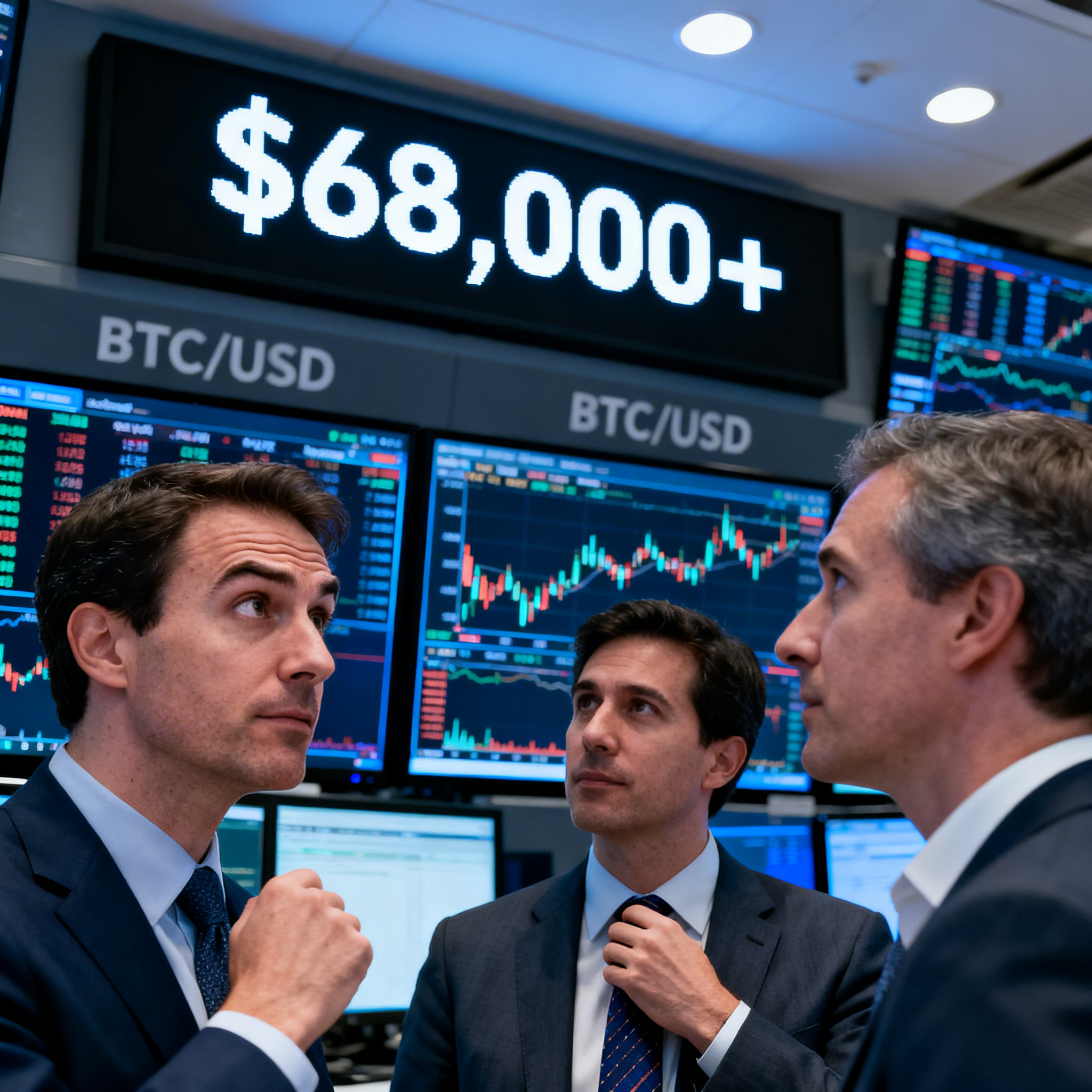
Bitcoin stabilized near $66,500 after a volatile weekend in which geopolitical tensions surrounding Iran triggered roughly $300 million in liquidations across crypto derivatives markets. Even as oil prices surged and U.S. equity futures slipped, parts of the DeFi sector managed to outperform.
The leading cryptocurrency is up 1.1% since midnight UTC and has rebounded more than 5% from its weekend low around $63,000. Despite sharp price swings last week — ranging from a test of $70,000 on the upside to $62,500 on the downside — bitcoin remains confined to the broader consolidation range in place since early February.
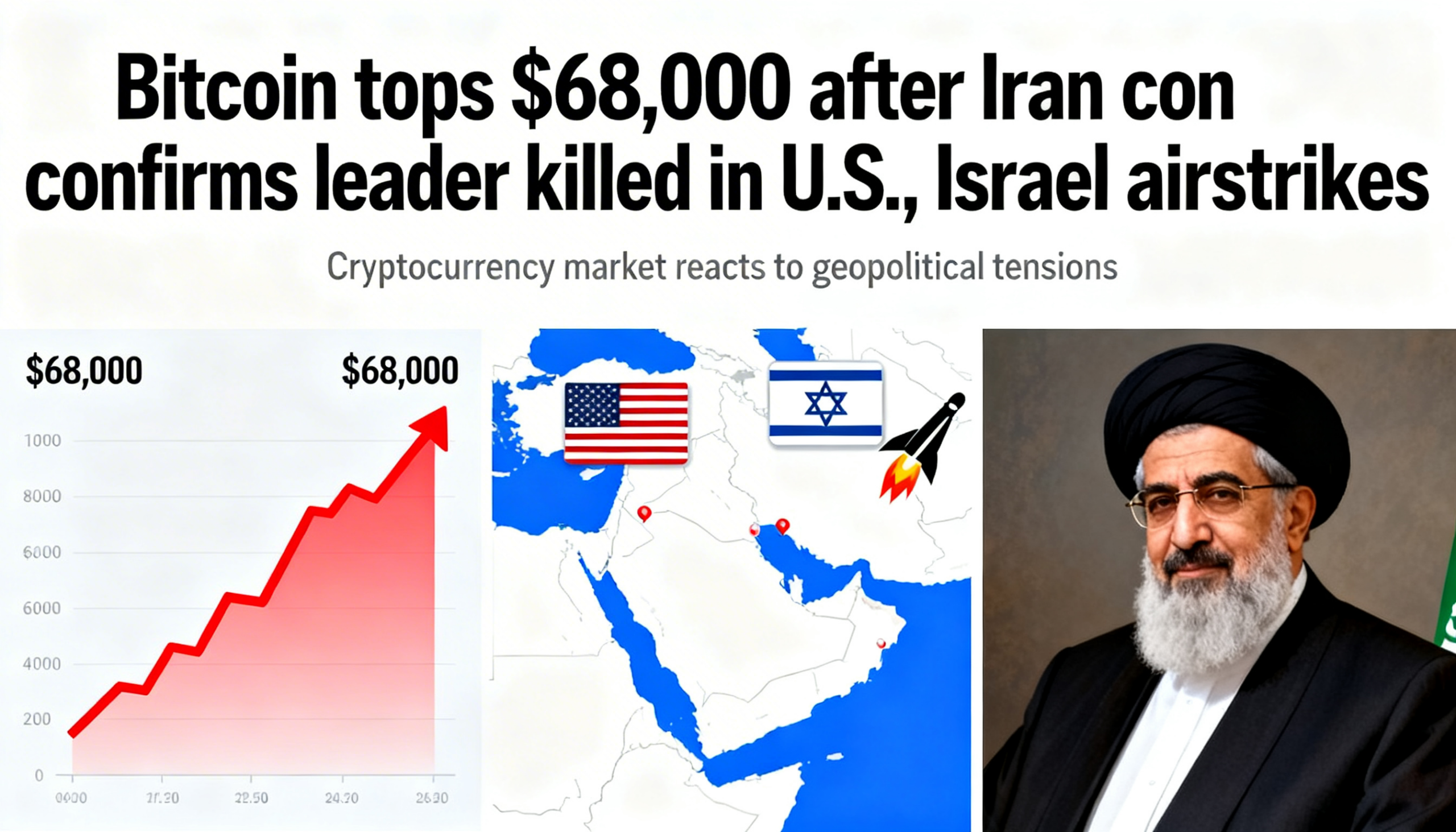
Weekend turbulence followed military strikes that reportedly killed Iran’s Supreme Leader, Ali Khamenei, prompting retaliatory actions and raising fears of disruption to shipping lanes through the Strait of Hormuz, a critical conduit for global energy supplies.
Trading firm QCP estimated that the initial reaction sparked approximately $300 million in long liquidations. However, the scale of deleveraging was viewed as relatively contained, indicating traders had already reduced exposure ahead of the geopolitical flare-up.
Traditional markets reflected heightened risk aversion. Gold and silver climbed to one-month highs, while crude oil jumped 13% to $82 per barrel — the strongest level since July 2024. U.S. equity index futures weakened, with S&P 500 and Nasdaq 100 contracts down 1.1% and 1.5%, respectively, since midnight UTC.
Notably, most crypto selling occurred on Saturday while U.S. markets were closed, suggesting digital assets absorbed the shock before traditional investors re-entered.
Derivatives positioning
Market data show limited structural damage. Aggregate crypto futures open interest has declined 2% to $93.78 billion but remains above the recent low of $92.40 billion.
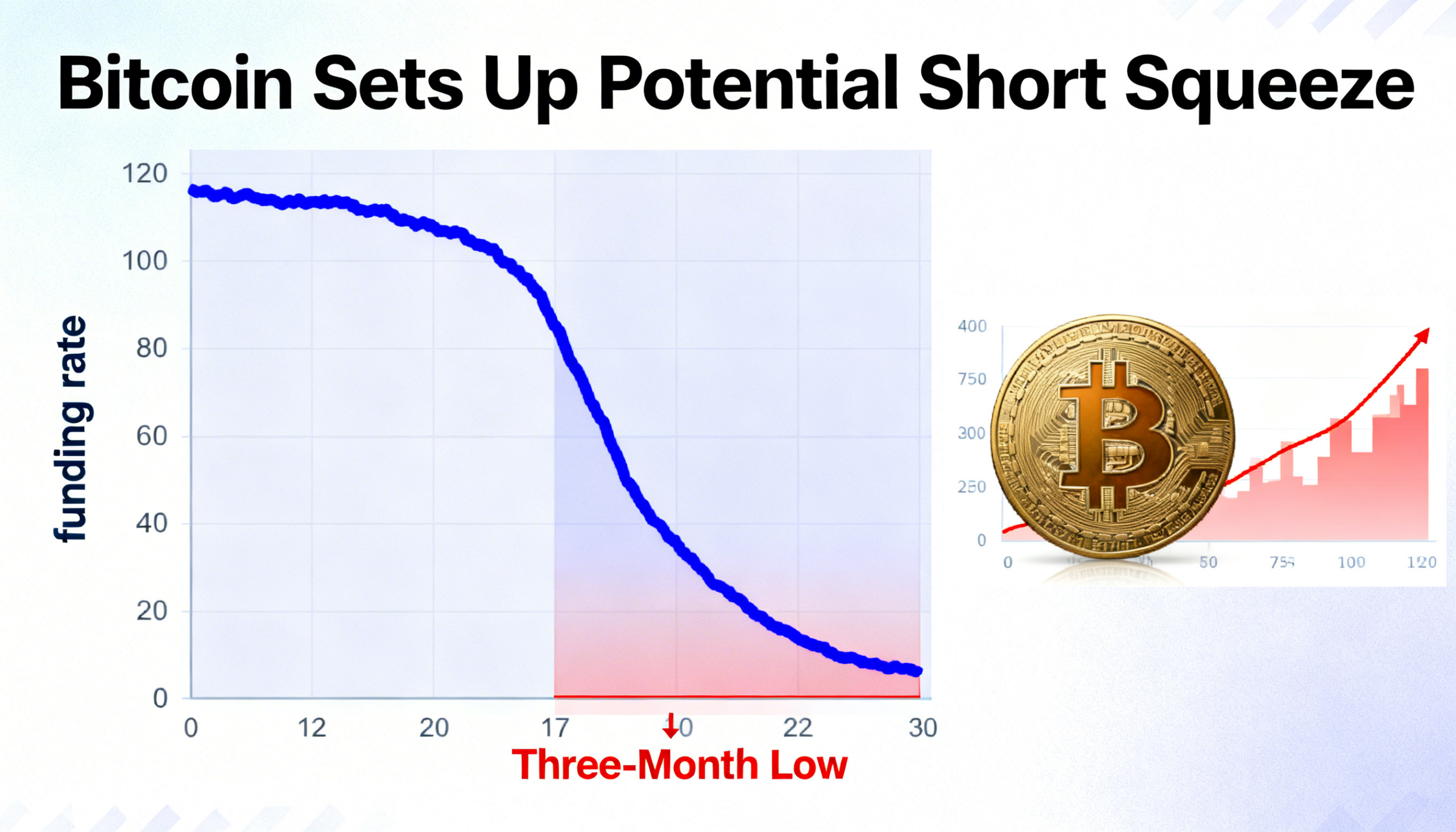
More than $300 million in leveraged positions were liquidated over a 24-hour period, largely long bets. Funding rates for bitcoin and ether perpetual futures have edged slightly negative, reflecting a modest bearish tilt without signaling panic.
Volatility indicators remain stable. Bitcoin’s 30-day annualized implied volatility index (BVIV) is holding around 58.8%, well within last week’s trading range. Ether’s volatility gauge shows a similar pattern.
On Deribit, short-term bitcoin puts traded at an 8%–10% volatility premium to calls, highlighting demand for downside protection. The $60,000 put continues to be the most actively traded contract, and block activity indicates interest in put spreads.
Token movers
Altcoins largely mirrored bitcoin’s weekend dip and recovery, though select DeFi tokens demonstrated strength. Lending protocol token MORPHO extended its two-week rally, gaining 5% over the past 24 hours and 2.6% since midnight UTC.
Other decentralized finance tokens — including JUP, AAVE and LDO — also traded higher, suggesting speculative appetite persists despite the broader shift toward traditional safe-haven assets.
Hyperliquid’s HYPE token surged more than 29% on Saturday, snapping its February downtrend. Although it eased 3.8% on Monday, it remains above the key $30 support level.
Meanwhile, WLFI — the DeFi token linked to U.S. President Donald Trump’s family — continued to slide, falling 2.5% since midnight and more than 44% from mid-January levels amid a series of lower highs and lower lows.
Among CoinDesk’s sector gauges, the DeFi Select (DFX) Index was the only benchmark in positive territory over the past 24 hours. The Computing Select Index (CPUS) and the Smart Contract Platform Select Capped Index (SCPXC) were the weakest performers, declining 1.87% and 1.71%, respectively.