Supreme Court Watch
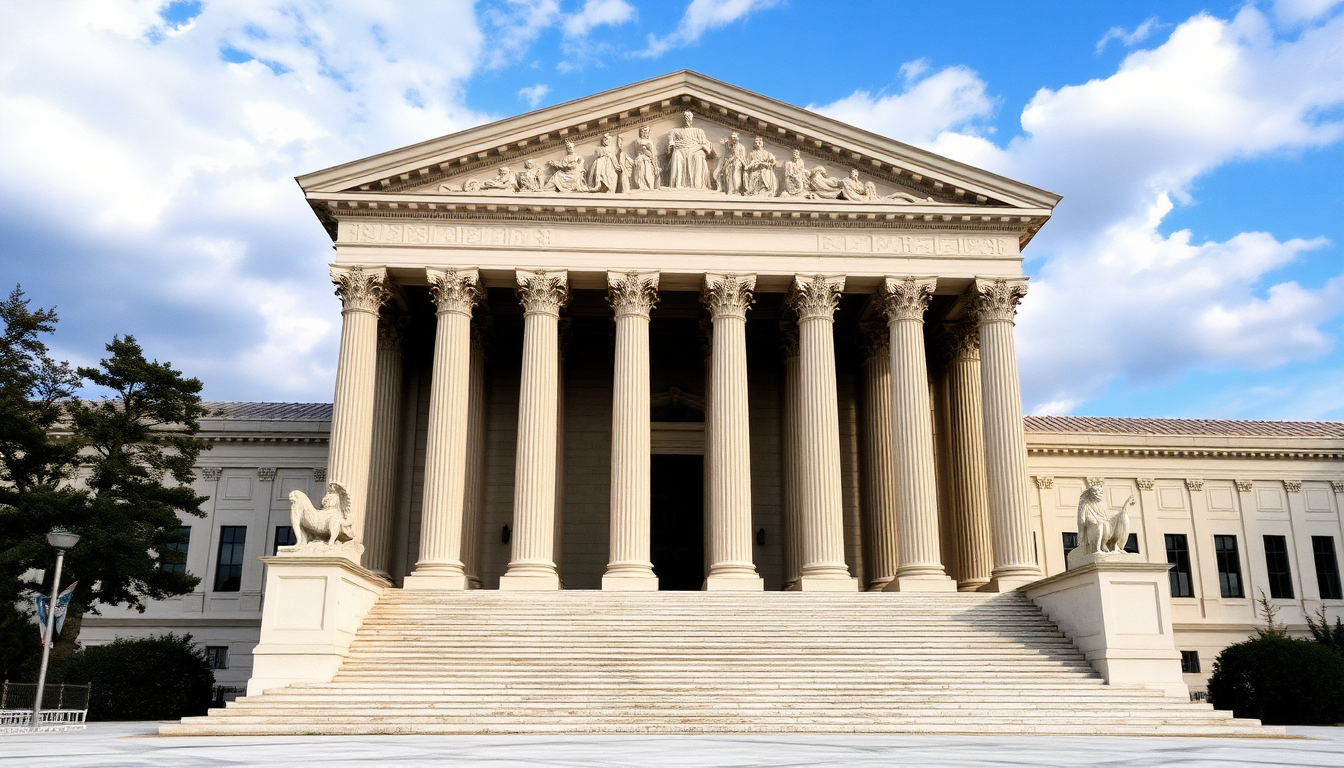
New Jersey has taken its dispute with Kalshi to the next level by asking the U.S. Supreme Court to review the case, putting the future of sports-related prediction markets closer to a potential decision from the nation’s highest court.
At the heart of the dispute is a basic but consequential question: Are sports prediction contracts gambling products that states can regulate, or are they financial swaps that fall under the federal jurisdiction of the Commodity Futures Trading Commission?
New Jersey’s petition does not mean the Supreme Court will accept the case. However, recent developments have created several conditions that could make the dispute more attractive to the justices.
Why the Case Matters
Attorneys who have tracked prediction-market litigation expect the Supreme Court to eventually weigh in on the issue, possibly within the coming year.
A ruling against prediction markets could force platforms offering sports-related contracts to obtain licenses and regulatory approval in every state where they operate. Those businesses could also face state gambling taxes and other compliance requirements.
A ruling in favor of the platforms could have the opposite effect. If the Supreme Court determines that these contracts are federally regulated swaps under the CFTC, states could face limits on their ability to impose gambling restrictions. Such a decision could also affect traditional sports-betting companies.
The Legal Dispute
New Jersey is asking the Supreme Court to determine whether the Dodd-Frank Wall Street Reform and Consumer Protection Act overrides state gambling laws when prediction-market contracts are offered through federally regulated designated contract markets.
The case has gained additional importance because federal appeals courts have now reached differing conclusions.
The Third Circuit ruled in favor of Kalshi in April, while a decision from the Ninth Circuit last month created a conflicting position. Several attorneys told CoinDesk that this appellate disagreement could strengthen the case for Supreme Court intervention.
New Jersey was already able to petition the Supreme Court after the Third Circuit ruling. Carl Kennedy, a partner at Katten and co-chair of its financial markets and regulation group, said the Ninth Circuit decision adds greater weight to the state’s request.
The Supreme Court could wait for additional appeals courts to rule, including the Sixth and Fourth circuits, but it does not have to wait for those decisions.
Katherine Kirkpatrick Bos, head of legal at Chainlink Labs, said the combination of a circuit split and an issue affecting an entire industry could increase the chances of Supreme Court review.
Todd Phillips, a director at Klaros Group, said future appellate decisions could still provide valuable information to the justices.
If several circuits side with the states while the Third Circuit remains the only court supporting Kalshi, that could strengthen the states’ position. On the other hand, additional conflicting decisions could reinforce the argument that the Supreme Court needs to settle the issue.
The CFTC Factor
There is another reason the Supreme Court could decide to hold off.
Daniel Wallach, an attorney specializing in gaming and sports-betting law, said the justices may want to see how the CFTC’s ongoing rulemaking on prediction markets develops.
The agency has proposed new rules governing event contracts, but the process has not yet been completed. Wallach expects any final rule to face a challenge under the Administrative Procedure Act.
If that happens, the Supreme Court could determine that the broader prediction-market dispute is premature and wait until the regulatory process is further along.
New Jersey also has room to expand its legal arguments beyond those made during the original district court proceedings, Kennedy said.
The state could draw on arguments raised in other prediction-market lawsuits as those cases progress. Attorneys are expected to monitor those disputes closely and incorporate relevant legal theories when appropriate.
If multiple prediction-market appeals eventually become consolidated, those arguments could become even more important, Phillips said.
Wallach expects both states seeking to regulate prediction markets and companies operating them to push for the opportunity to present their positions before the Supreme Court.
He also pointed to historical data showing that the Supreme Court overturns lower-court decisions in roughly 70% of cases, although that statistic does not predict how the justices would rule in this dispute.
Next Steps
The Supreme Court has roughly 90 days to decide whether to grant New Jersey’s petition, according to Kennedy.
Kalshi will have 30 days to respond once the petition is formally placed on the court’s docket, Wallach said.
The initial proceedings would focus only on whether the Supreme Court should hear the case. If the justices grant certiorari, the parties would then proceed to arguments over the substance of the dispute.
Clarity Act Watch
The outlook for the Digital Asset Market Clarity Act remains uncertain.
The U.S. House of Representatives is scheduled to remain out of session during the final two weeks of September. That effectively makes it impossible for the bill to become law before the midterm elections, even if the Senate approves it this month.
The legislation did receive some positive news Friday. The National Sheriffs’ Association informed Senate leaders that it was changing its position from opposition to “neutral.”
Several major issues remain unresolved, however.
Negotiations over the bill’s ethics provisions have not been publicly detailed, while the treatment of stablecoin yield continues to generate disagreement among industry participants.
Executives consulted last week were evenly split on whether the legislation has a realistic path to passage.
Attention is likely to return to the bill as the Senate prepares to resume work and approach its first procedural vote.
This Week
The broader crypto policy landscape may appear relatively quiet for now, but several important legal and legislative battles are moving closer to decisive stages.
For prediction markets, the next major question is whether the Supreme Court will agree to settle the growing conflict between state gambling laws and federal oversight.