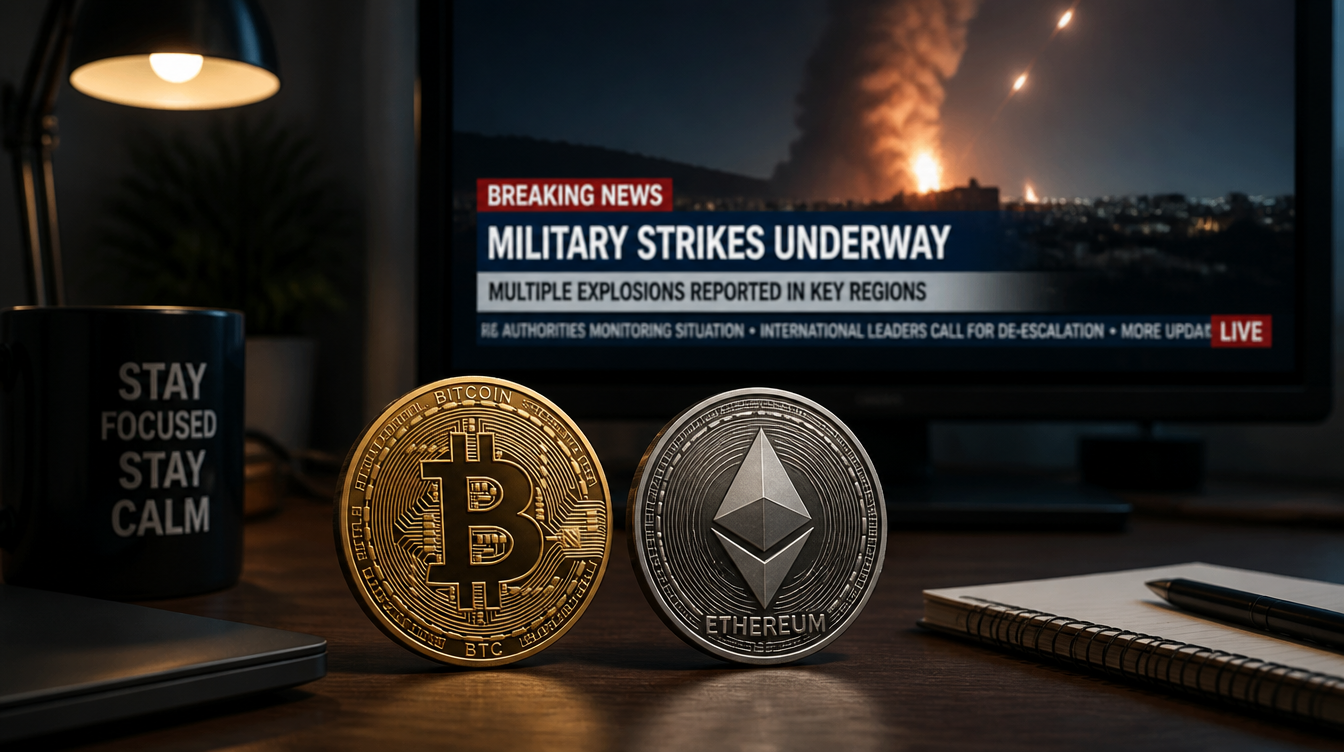
The United States carried out a third round of strikes on Iran this week, while Tehran reportedly announced another closure of the Strait of Hormuz.
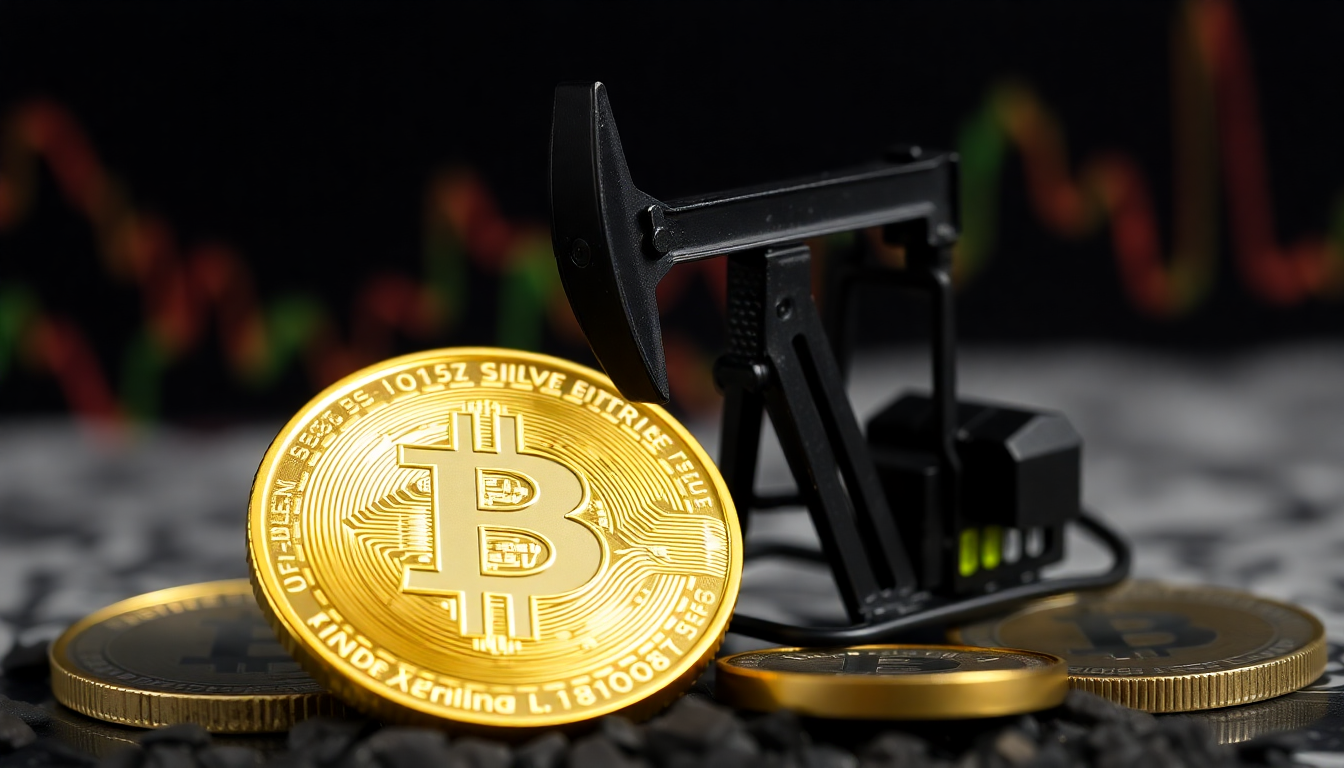
Bitcoin hovered around $63,800 on Saturday following the latest U.S. military action and Iran’s declaration that the key shipping route would remain shut “until further notice.” The cryptocurrency slipped 0.3% over the past 24 hours but remained about 2% higher for the week.
Ship-tracking data indicated some vessel activity in the Strait of Hormuz during Asian trading hours on Sunday, though traffic levels were still significantly below normal for the vital passage.
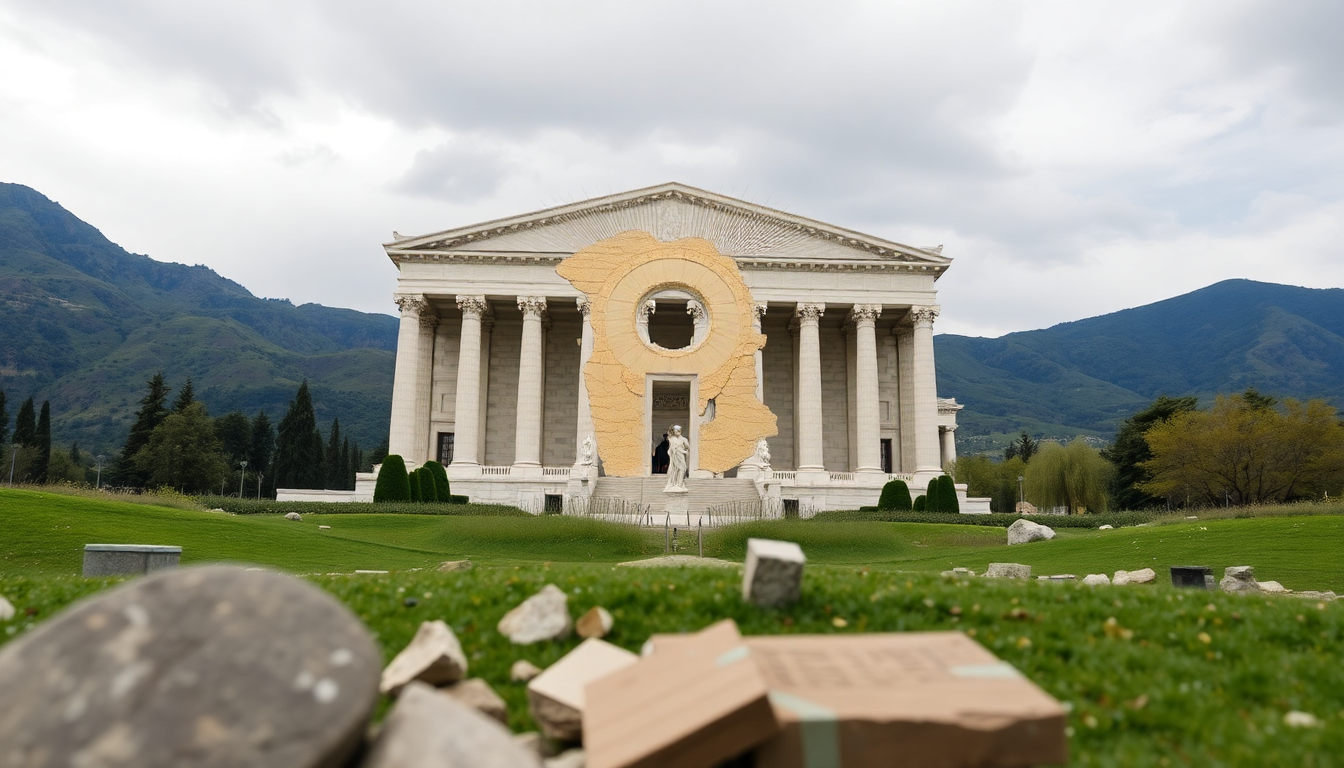
According to U.S. Central Command, the strikes were ordered by President Trump and aimed at limiting Iran’s capacity to target commercial shipping, after Iranian forces attacked a Cyprus-flagged cargo vessel. Iranian state outlets reported blasts along the southern coastline, including major energy centers such as Bushehr and Asalouyeh, as well as port cities like Bandar Abbas and Bandar-e Dayyer.
Ether also showed little movement, trading near $1,800 and posting a 2% weekly gain. Among major cryptocurrencies, Solana underperformed at $76, down 5% over the past week, while XRP edged lower to $1.09 and dogecoin dipped to roughly $0.07. Daily price changes across the market remained minimal.
Such a subdued reaction has become typical. When Iran initially shut the Strait of Hormuz in early March, Brent crude surged above $100 per barrel for the first time in four years and later climbed toward $120, while bitcoin declined sharply with each escalation.
One reason for the muted response is timing. Traditional markets like oil, stocks, and bonds are closed over the weekend, leaving bitcoin as one of the few major assets trading continuously—and it is largely shrugging off the developments.
A broader reaction across asset classes, particularly in oil markets, may not emerge until Monday. Around 20% of the world’s seaborne oil passes through the Strait of Hormuz, and Brent crude had already incorporated a geopolitical risk premium heading into the weekend due to reduced tanker traffic.
The real test will come when markets reopen. If oil prices spike while bitcoin remains stable, it could signal diverging market interpretations. On the other hand, a subdued response in crude may suggest traders view Iran’s move as a recurring threat rather than a lasting disruption.