Bitcoin declined 1.7% to $76,862 since midnight UTC, giving back Monday’s advance as prediction-market expectations for the CLARITY Act to become law this year dropped sharply.
Bitcoin had rallied from $75,916.49 to $79,427 on Monday, but the move reversed Tuesday, sending BTC back to $76,862. The cryptocurrency is now 6.6% below its September peak of $82,284, recorded on Sept. 4. Ether slipped 1.6% to $2,474.76, while solana dropped 2% to $100.43.
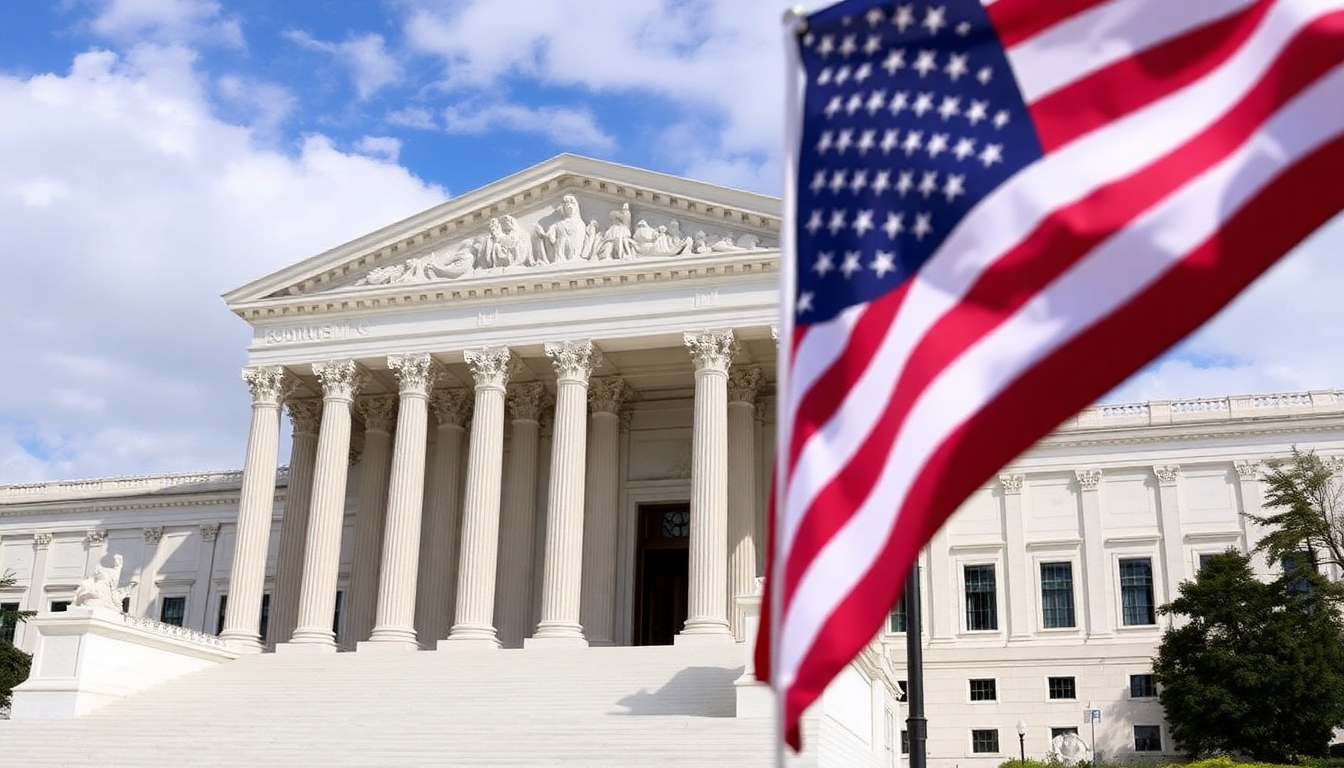
Polymarket’s outlook for the CLARITY Act weakened alongside bitcoin. The probability that the legislation will be signed into law during 2026 reached 34% Monday before falling to 17%. The decline followed reports that Democrats had prepared another proposal after rejecting an updated Republican draft released Sunday.
The dispute is reportedly focused on ethics provisions governing crypto ownership by public officials rather than the bill’s market-structure provisions.
The Senate is set to vote at 2:15 p.m. ET on whether to invoke cloture, which would force the legislation to a vote. The bill needs 60 votes to advance. If approved, it would take the U.S. crypto industry closer to a defined framework for determining which regulators oversee different digital assets. A failed vote could delay market-structure legislation until after the November midterm elections.
Crypto selling was widespread Tuesday. Ninety-two assets in the CoinDesk 100 were lower, pushing the index down 1.6%.
Stocks Rise as Crypto Weakens
U.S. equity futures were moving higher as crypto prices declined. Nasdaq 100 futures added 0.43%, while S&P 500 futures gained 0.35%, recovering some of Monday’s losses linked to concerns around artificial intelligence stocks.
The Dollar Index also advanced 0.17%. The divergence marked a reversal from the previous 24-hour period, when crypto had been the only major asset class showing gains.
Futures Traders Remain Cautious
The derivatives market showed little clear directional conviction ahead of the Senate vote. The ratio of long and short taker volume remained close to balanced.
Total crypto futures open interest declined 1% over 24 hours to $135 billion, while trading volume increased 54% to $207 billion. The figures suggest traders already holding positions were exiting faster than fresh positions were being established.
Marex analysts said bitcoin’s overnight move toward $77,000 was accompanied by selling from futures takers. These traders execute orders at available market prices, removing liquidity from order books.
Bitcoin futures open interest remained below 680,000 BTC, pointing to subdued demand for leveraged positions.
Open interest was also trending lower for ether, solana and XRP futures. Solana’s open interest fell to 58.81 million tokens, the lowest level since May, according to CoinGlass.
Negative 24-hour open-interest-adjusted cumulative volume delta readings across major cryptocurrencies pointed to continued selling pressure. The metric indicates that a larger portion of short-side activity is being executed through market orders instead of passive limit orders.
XLM Shows Stronger Demand
Stellar’s XLM was one of the few major exceptions. The token was up 4% over 24 hours, while its futures open interest increased by more than 10% to 1 billion XLM.
Rising prices alongside higher open interest are generally associated with long accumulation and stronger bullish positioning. Annualized funding rates around 10% also indicated demand for upside exposure without suggesting excessive leverage.
Funding rates remained moderately positive for bitcoin and most other major tokens. Ether and SOL had slightly negative rates, signaling a modest preference for short positions.
If the CLARITY Act vote produces a positive surprise, that short positioning could help trigger a squeeze. TRX remained an outlier, with deeply negative open interest persisting over recent sessions.
Options Market Prices in Moderate Risk
Bitcoin’s BVIV and ether’s EVIV 30-day implied-volatility indexes moved higher ahead of the vote, although both remained near recent levels and significantly below their February and June highs.
The increase suggests traders are seeking somewhat more protection against potential price swings as the Senate vote approaches.
Deribit’s implied-volatility curve remained normally shaped and upward sloping, indicating that options traders were not anticipating an extreme volatility event over the next day.
Higher-strike calls also dominated the top-five 24-hour options-volume rankings for both bitcoin and ether, providing a relatively bullish signal.
FIL Reverses Monday’s Surge
Filecoin was among the tokens giving back recent gains. FIL jumped 27% Monday as futures open interest surged 70%, but both indicators have since reversed.
The token fell 5.1% from midnight UTC to $0.89 and was down 13% over 24 hours. Futures open interest declined 23% to $106 million.
AI and computing tokens also remained under pressure for a second consecutive session following Anthropic CEO Dario Amodei’s weekend comments calling for slower AI development.
Internet Computer (ICP) fell 6% to $2.58, while Theta Network declined 4.5% and NEAR Protocol dropped 3.7%.
Uniswap was a notable exception among DeFi tokens, gaining 1% to $6.60 and rising 4.8% over 24 hours. The token is viewed as particularly sensitive to the outcome of the Senate vote.
Venice Token (VVV) fell another 4.5% to $22.05 after losing roughly 20% from last Wednesday’s record high. The earlier rally was attributed largely to a token burn and short covering rather than sustained buying.
Among privacy-focused cryptocurrencies, Monero rose 0.37% to $516.41, while Zcash declined 1.87% to $1,141, marking their fifth consecutive session of divergent performance.
Cosmos and XDC Network each gained 1.4%. XLM was nearly unchanged during the day but remained 4.3% higher over 24 hours.
CoinMarketCap’s Altcoin Season Index stood at 36 out of 100, remaining in neutral territory after dropping from 51 last week.