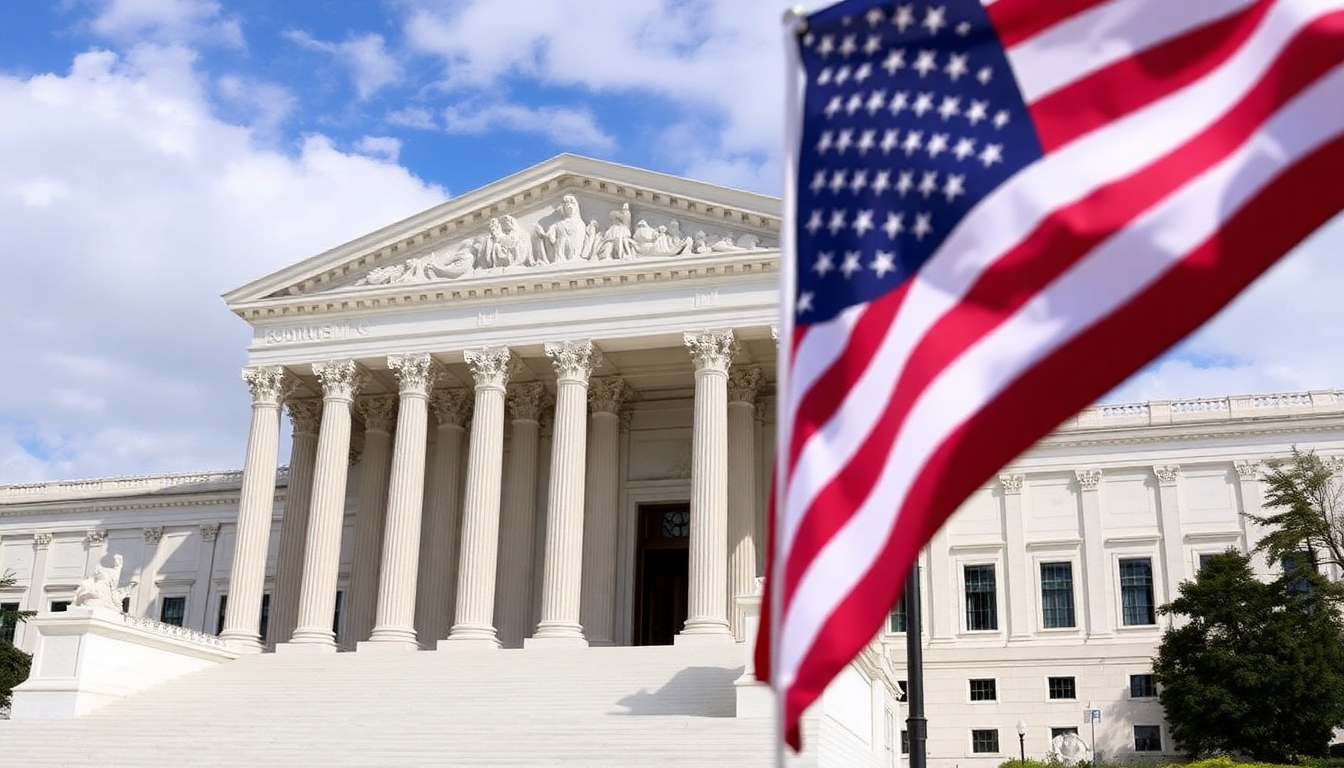
Bitcoin has fallen back from the $79,000 level as investors await a Senate vote on the CLARITY Act, while a renewed increase in oil prices adds to pressure on the cryptocurrency.
Bitcoin is giving up part of Monday’s advance as lawmakers continue last-minute negotiations over crypto market-structure legislation. At the same time, oil prices moved higher again during Tuesday’s Asian trading session, creating another potential headwind for risk assets.
The largest cryptocurrency by market value was trading around $77,800 after rising above $79,000 on Monday, according to CoinDesk data. Other leading cryptocurrencies, including XRP, ether and solana, also retreated. XRP declined to $1.42 from a high of $1.49, although its technical setup continued to point toward a potential bullish golden crossover.
The decline came as Democrats reportedly pushed for additional revisions to the Digital Asset Market Clarity Act. Their demands followed President Trump’s reported acceptance of revised ethics provisions included in a Republican Senate draft circulated over the weekend, which Republicans had characterized as a final compromise.
Sen. Cynthia Lummis, the Wyoming Republican who has been among the legislation’s strongest advocates, criticized the continued requests for changes.
“The Democrats want more,” Lummis said. “They always want more. If we waited another month, they would want more.” She later added, “There’s no end to it.”
Senate Vote Could Set the Direction
The Senate is due to vote Tuesday on whether to advance the CLARITY Act. The procedural vote requires 60 votes, meaning Republicans would need support from Democrats to move the legislation forward.
If approved, the bill would establish a framework dividing digital-asset oversight between the Securities and Exchange Commission and the Commodity Futures Trading Commission. Supporters argue that such a framework would reduce uncertainty surrounding bitcoin and the broader crypto industry.
Still, some market participants believe the industry could receive clearer rules even if the legislation fails.
Coinbase CEO Brian Armstrong said a rejection could ultimately prove beneficial because both the SEC and CFTC have indicated they are prepared to issue their own regulations.
“Frankly, if it doesn’t pass, it’s also going to be a good outcome because the SEC and the CFTC have said that they’re ready to publish rulemaking,” Armstrong said, adding that regulatory clarity should arrive “one way or another” around the vote or shortly afterward.
Oil Prices Add to Bitcoin’s Headwinds
Bitcoin also faced pressure from the energy market as West Texas Intermediate crude futures climbed to approximately $103 per barrel after dropping to around $100 overnight.
A sustained rise in oil prices can increase inflationary pressures and strengthen expectations that the Federal Reserve will maintain restrictive monetary policy.
The Fed is widely expected to raise its benchmark interest rate by 25 basis points on Wednesday, bringing the federal funds target range to 3.75%–4% from 3.50%–3.75%.
The 10-year Treasury yield was already hovering near 5% on Monday. If the rate increase is accompanied by a hawkish message from policymakers, higher borrowing costs and elevated Treasury yields could create additional pressure on bitcoin, which has historically struggled when yields remain high.