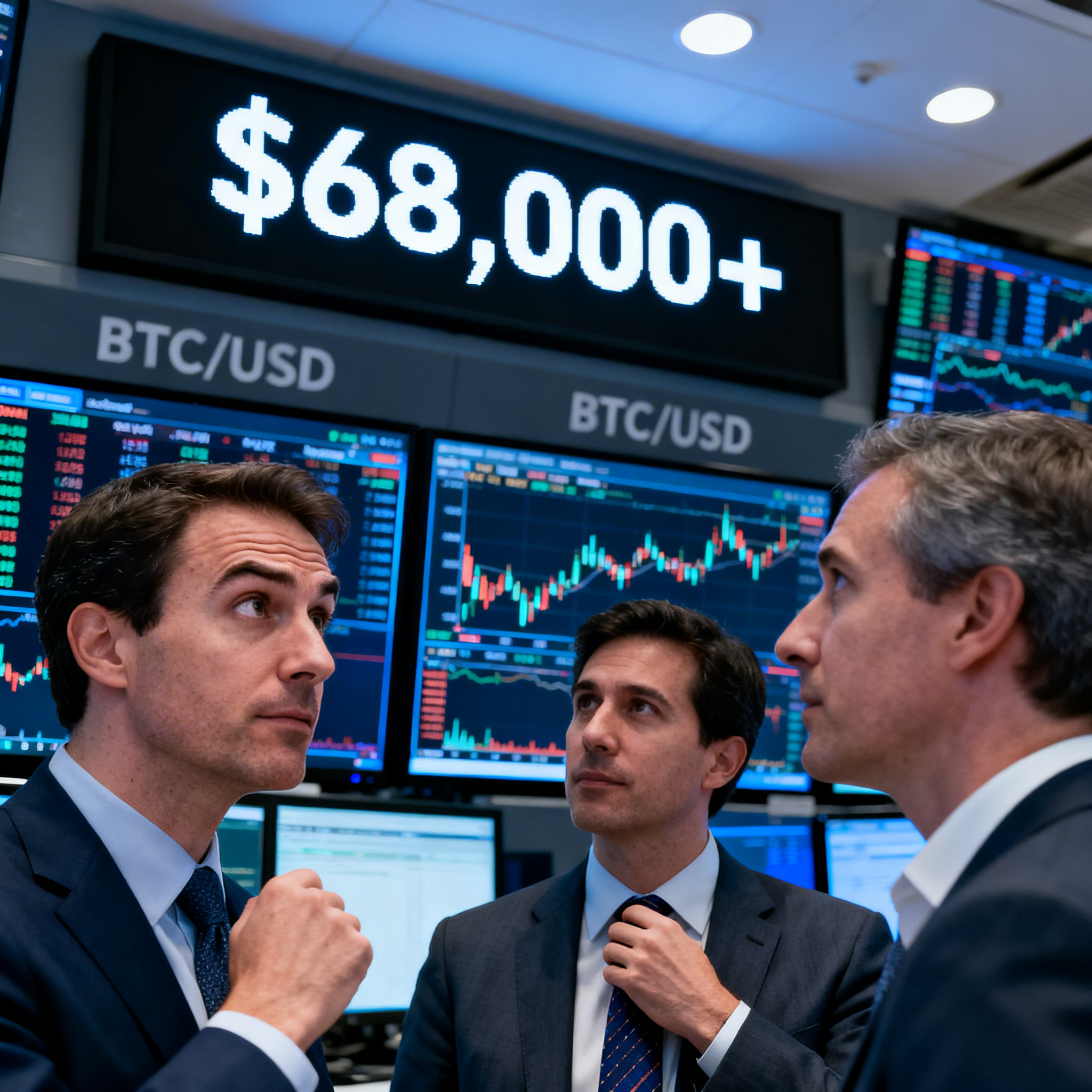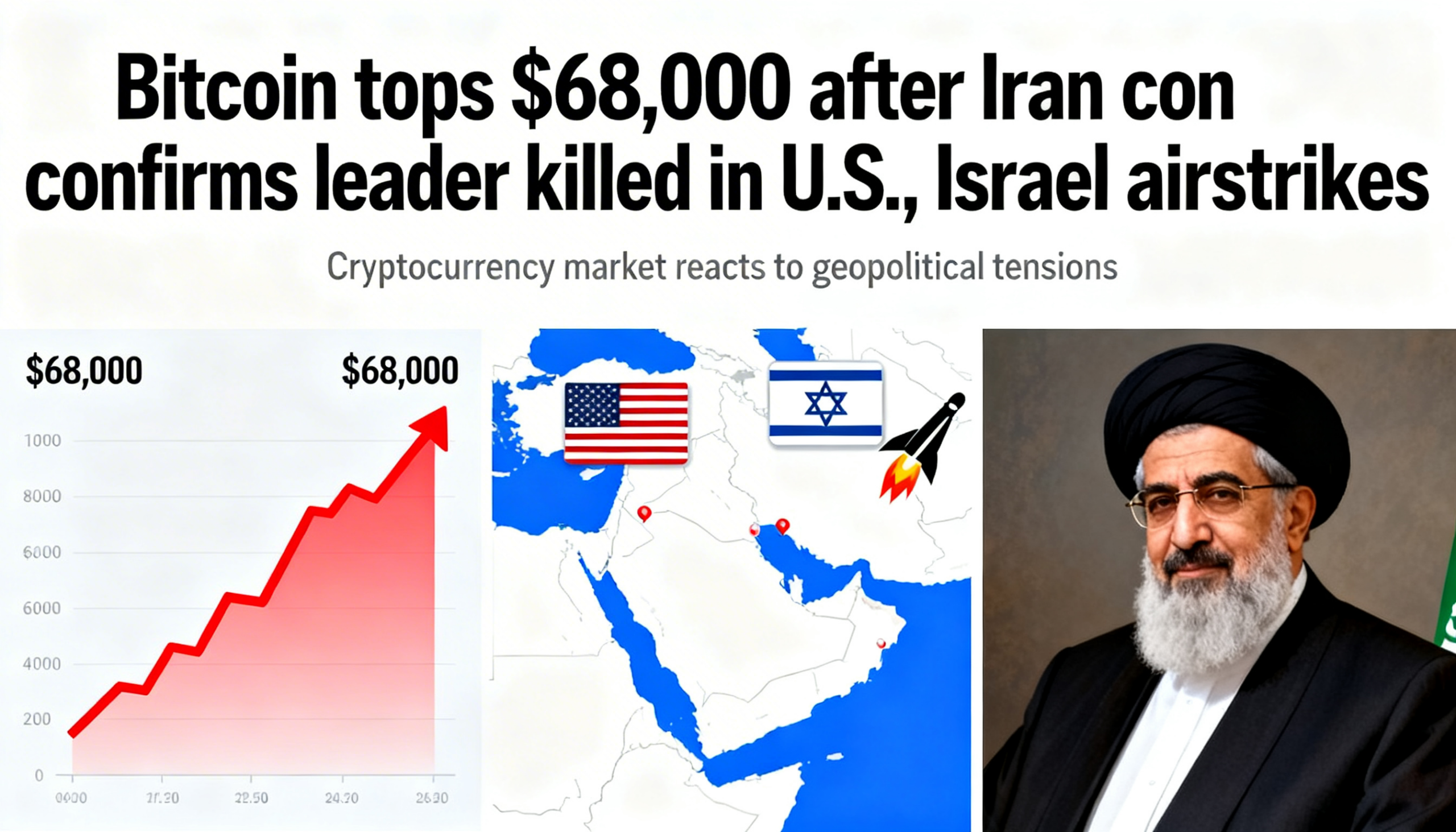
Bitcoin rallied sharply on Monday after weekend losses linked to U.S. strikes against Iran, briefly pushing toward $70,000 before easing back to trade near $69,000.
The rebound follows a prolonged downturn that has erased roughly half of bitcoin’s value over recent months and weighed heavily on market sentiment. Although the bounce provides relief for bulls, analysts warn the structure of the move points more to a positioning squeeze than to a durable shift in demand.
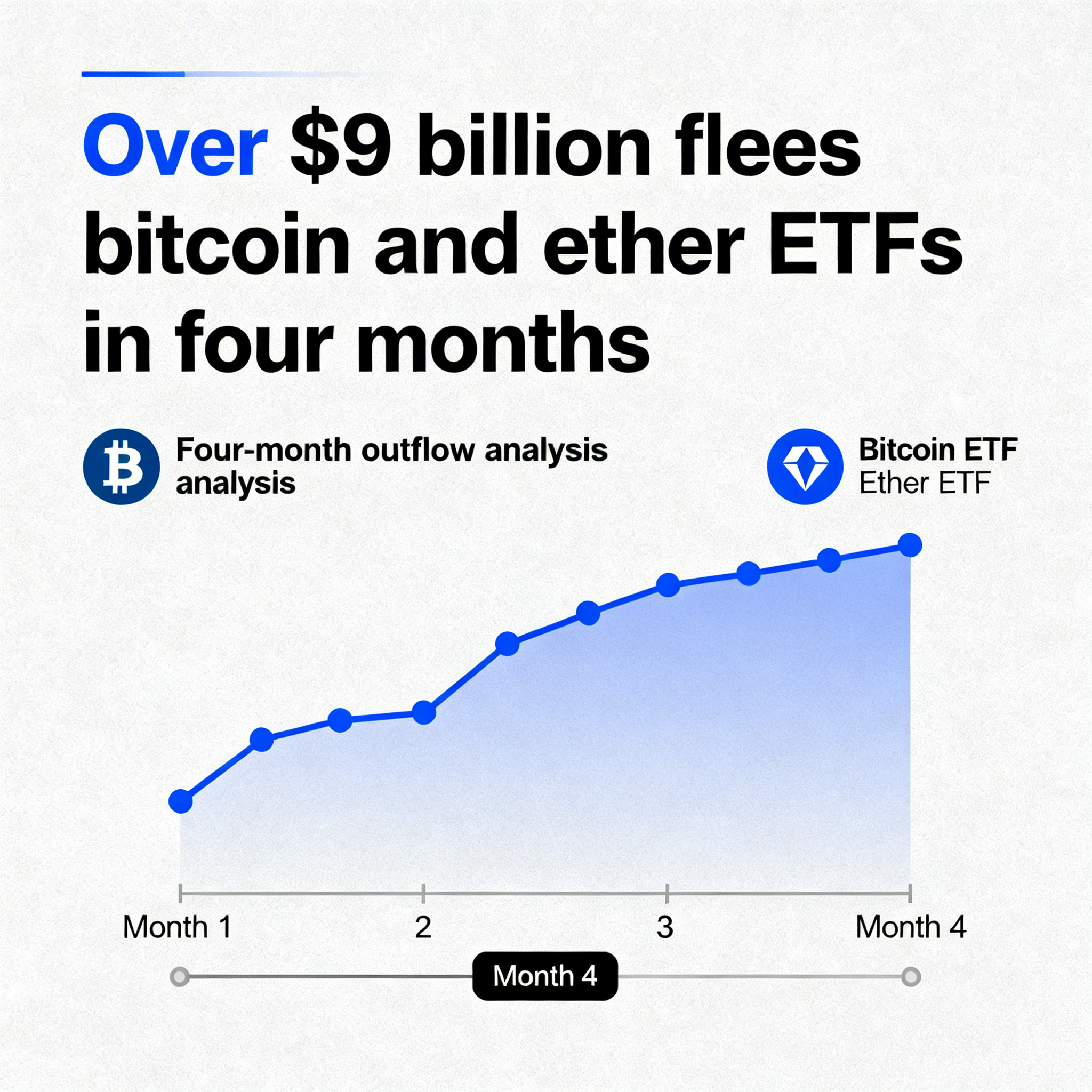
Mark Connors, chief investment officer at Risk Dimensions, said the advance appears to be driven primarily by short-covering. As prices began climbing, traders who had positioned for further downside were forced to unwind bearish bets, accelerating the rally. Broader macro volatility also triggered portfolio rebalancing across asset classes, while a pause — and possible reversal — in spot bitcoin ETF outflows added incremental support.
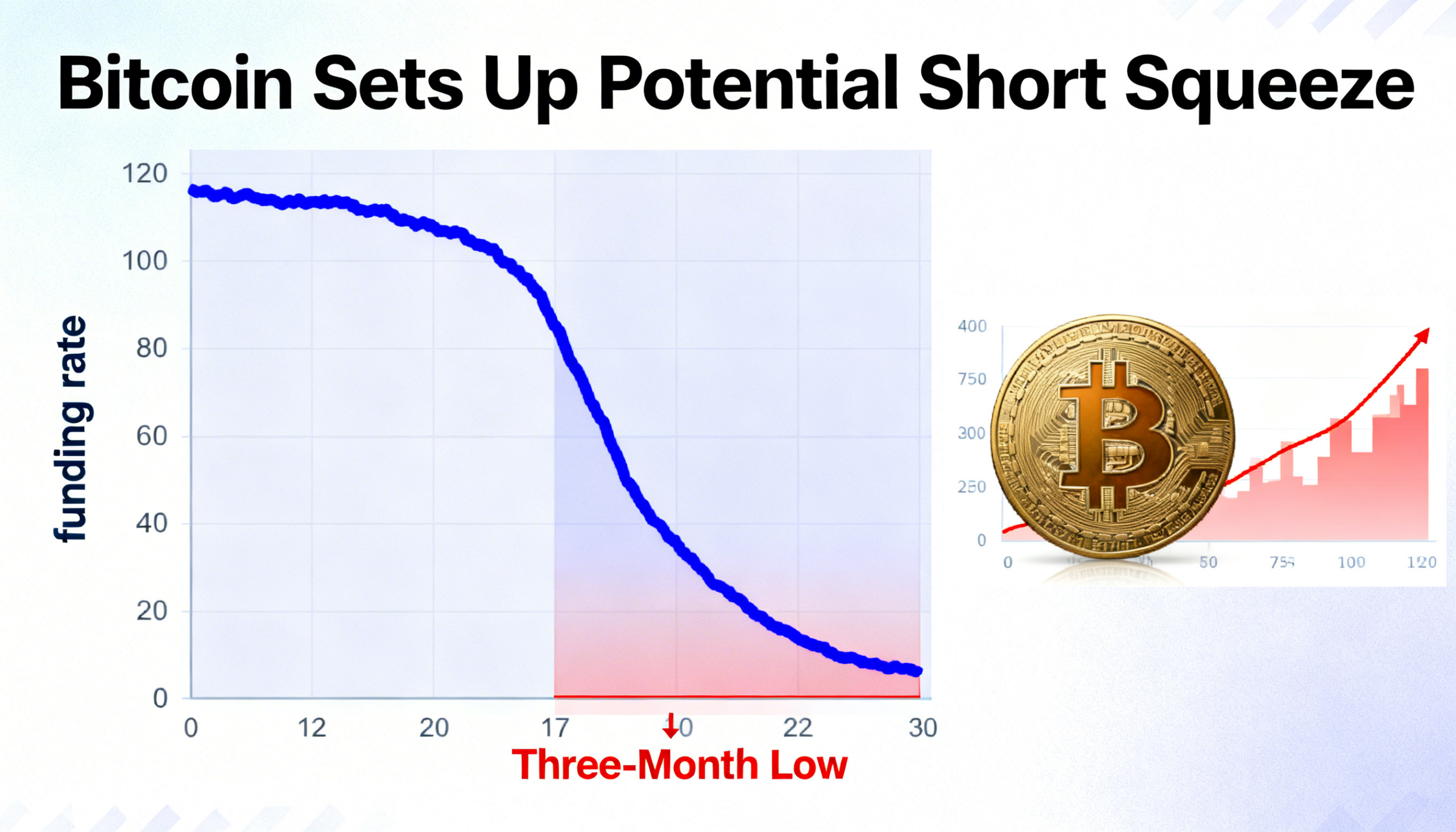
Short squeezes often result in sharp, fast price spikes. When leveraged traders rush to buy back borrowed assets to close losing short positions, their activity can push prices higher in the short term, even without strong underlying spot inflows.
Connors cautioned that the surge should not be mistaken for the start of a sustained march back toward $100,000 or a decisive breakout above the key $75,000 resistance level. Without consistent spot demand, he suggested, the rally risks losing steam.
Derivatives data reinforce that concern. CoinGlass liquidation heat maps show approximately $218 million in long positions clustered between $65,250 and $64,650 — the zone from which Monday’s rally began. A move back into that range could spark significant forced selling.
Meanwhile, open interest has increased 6% over the past 24 hours, compared with a 3.8% rise in price, indicating leverage is expanding. That imbalance suggests the move is being driven more by futures positioning than by fresh spot buying. Traders have also begun trimming exposure near the psychologically important $70,000 mark.
On the upside, however, a clean break above $70,000 could trigger roughly $90 million in short liquidations, potentially providing enough momentum for a retest of February’s high near $72,000.