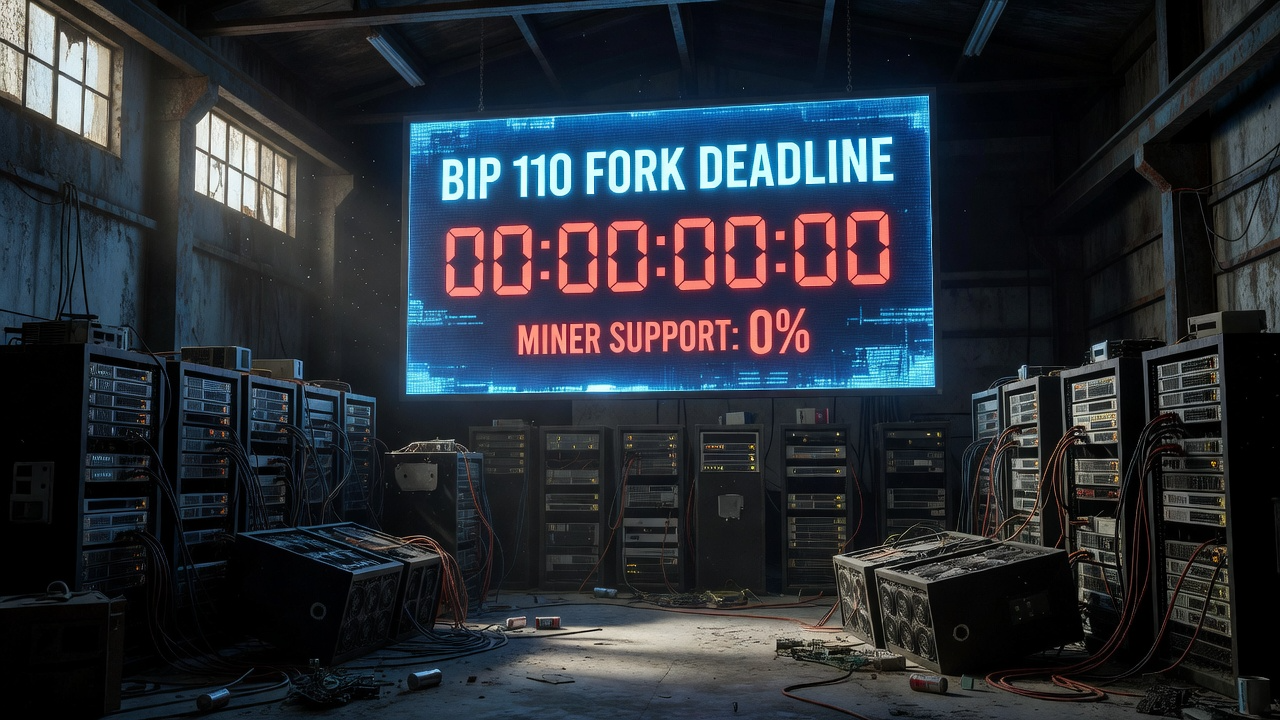
BIP 110 faces Bitcoin activation deadline with almost no miner backing
Bitcoin’s controversial BIP 110 proposal, which aims to restrict the use of blockchain space for non-financial data, is nearing a key deadline with virtually no support from miners. Despite generating significant discussion across the community, the proposal has attracted less than 1% miner signaling, highlighting the resistance it faces.
Known officially as the Reduced Data Temporary Soft Fork, BIP 110 centers on a broader debate over the intended purpose of Bitcoin’s limited block space.
Bitcoin transactions can include both monetary transfers and additional data. The OP_RETURN field allows users to attach small amounts of information to transactions, while other methods involving scripts and witness data have enabled larger data entries. These features have been used for applications such as Ordinals, inscriptions, and various token-related projects that store images, text, and metadata on the blockchain.
If implemented, BIP 110 would temporarily restrict these data storage methods for one year. The proposal would reduce the allowed OP_RETURN size, block most arbitrary data additions exceeding 256 bytes, and limit certain script-based approaches primarily used for storing non-financial information.
Supporters believe the changes would preserve Bitcoin’s role as a payment network, reduce the burden on node operators, and limit blockchain growth. Critics, however, argue that the proposal turns a technical disagreement into a broader consensus issue by creating rules about which transactions should be considered valid.
Several influential Bitcoin figures have spoken out against the proposal. Michael Saylor, founder of Strategy, argued that transforming the debate over blockchain spam into a consensus change could create a greater threat than the original issue. He warned that invalidating transactions that currently pay fees could establish a harmful precedent for future Bitcoin governance.
Adam Back, co-founder of Blockstream and creator of the Hashcash system referenced in Bitcoin’s white paper, also criticized BIP 110. He argued that Bitcoin cannot be changed simply because a group wants a different direction, noting that those who disagree with the current system could create a separate network instead.
The proposal’s adoption figures show limited enthusiasm among network participants. Unlike traditional soft forks that usually depend on overwhelming miner agreement, BIP 110 uses a user-activated soft fork approach, allowing nodes to enforce the rule even without broad mining support. The proposal sets a 55% miner signaling requirement, well below the 95% threshold used in previous major upgrades.
Even with that lower target, miner support has remained almost nonexistent. Signaling has stayed below 1% throughout the process and currently sits at zero, with no major mining pools indicating support.
Node adoption is also low, remaining in the single digits and mostly coming from users running Bitcoin Knots, an alternative software implementation to the more widely used Bitcoin Core.
The activation schedule will continue despite the weak support. The current signaling period covers blocks 957,600 through 959,615, followed by a voluntary lock-in deadline at block 961,542, expected to occur in early August.
If BIP 110 activates, nodes running the software would begin rejecting blocks that fail to follow the new rules, with activation projected for September. However, given the limited number of supporting nodes and the absence of miner backing, the change would likely create a smaller minority chain rather than a network-wide upgrade.
Bitcoin’s approach to protocol changes depends on voluntary adoption rather than centralized decision-making. Consensus is formed through thousands of independent miners, node operators, developers, and users choosing whether to accept or reject proposed changes.
The underlying debate over blockchain data usage remains unresolved. Increased activity from inscriptions and other non-financial applications has raised concerns that Bitcoin is shifting from a monetary network toward a broader data storage platform. Supporters of BIP 110 want to preserve Bitcoin’s original purpose, while opponents argue that restricting valid transactions could introduce unnecessary risks.
Based on current adoption levels, BIP 110 appears unlikely to gain broad network acceptance, underscoring Bitcoin’s long-standing resistance to major changes without widespread consensus.