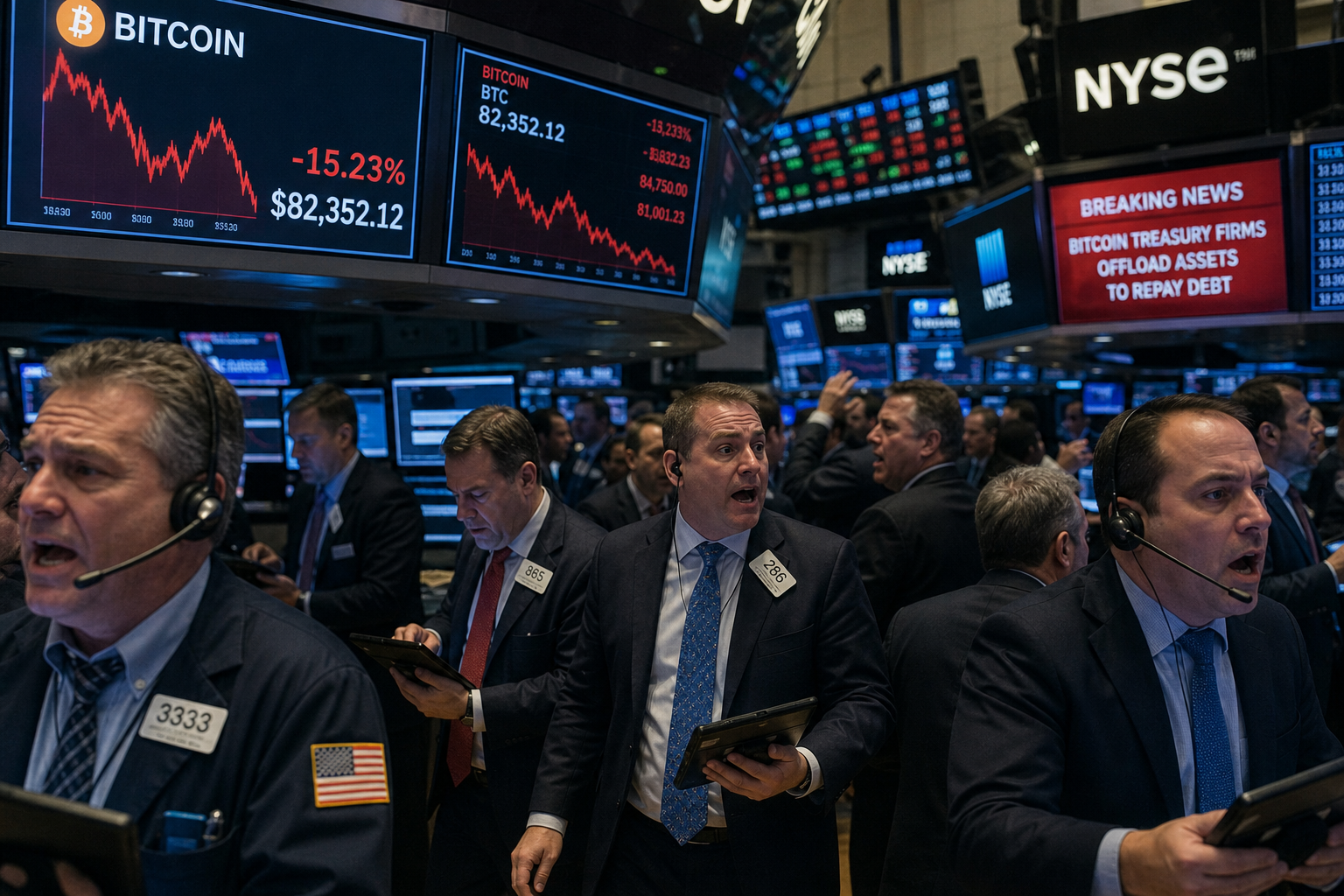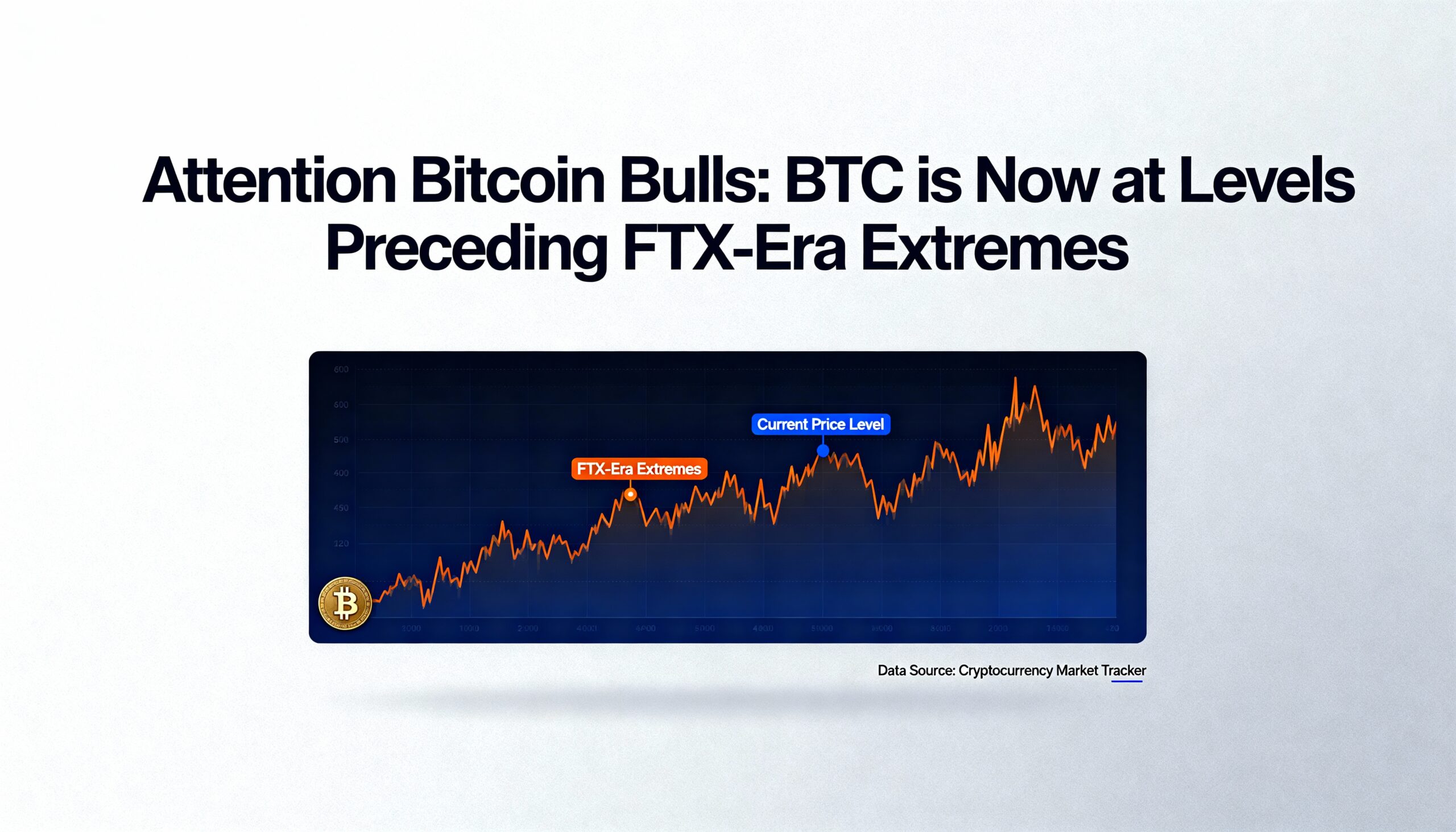
Bitcoin is experiencing one of the most pronounced momentum breakdowns of the current cycle, with on-chain indicators now flashing warning signs last seen during the market’s most severe washouts.
Data from Glassnode shows realized losses have surged to levels comparable with the November 2022 capitulation following the FTX collapse. The spike is largely driven by short-term holders—wallets that acquired BTC within the past 90 days—liquidating positions as Bitcoin trades below its 200-day moving average.
While short-term realized-loss dominance is common during periods of market stress, the scale this week is exceptional. This cluster represents the largest since early 2023 and is one of only a handful of instances in the past five years where daily realized losses have reached $600 million to $1 billion.
Market structure metrics reinforce the extremity. Analyst MEKhoko notes that BTC is now trading more than 3.5 standard deviations below its 200-day moving average, a level only reached three times in the past decade: November 2018, March 2020, and June 2022 during the Three Arrows Capital/Luna crisis.
The current sell-off mirrors historical patterns: rapid spot selling, collapsing funding rates, and the exit of marginal buyers who had relied on momentum.
With Bitcoin deeply below trend, short-term holders largely washed out, and sentiment anchored in extreme fear, market positioning is approaching levels historically associated with short-term bottoms.
Analysts caution, however, that without a clear macro catalyst, volatility is likely to remain elevated around these levels.