The “BankChain Alliance” is targeting a 2027 launch for a bank-operated blockchain network designed to support stablecoins, digital payments and tokenized deposits within the regulated financial system.
Following months of regulatory and policy clashes between traditional banks and the crypto industry in Washington, state banking associations have announced plans to create their own blockchain infrastructure. The network is expected to support financial applications such as programmable payments, tokenized deposits and stablecoin services.
Thirty-nine state banking associations have joined the BankChain Alliance, according to a statement released Tuesday. The groups plan to develop the network by next year and describe it as an “industry-owned, industry-designed and industry-governed” initiative representing thousands of banks.
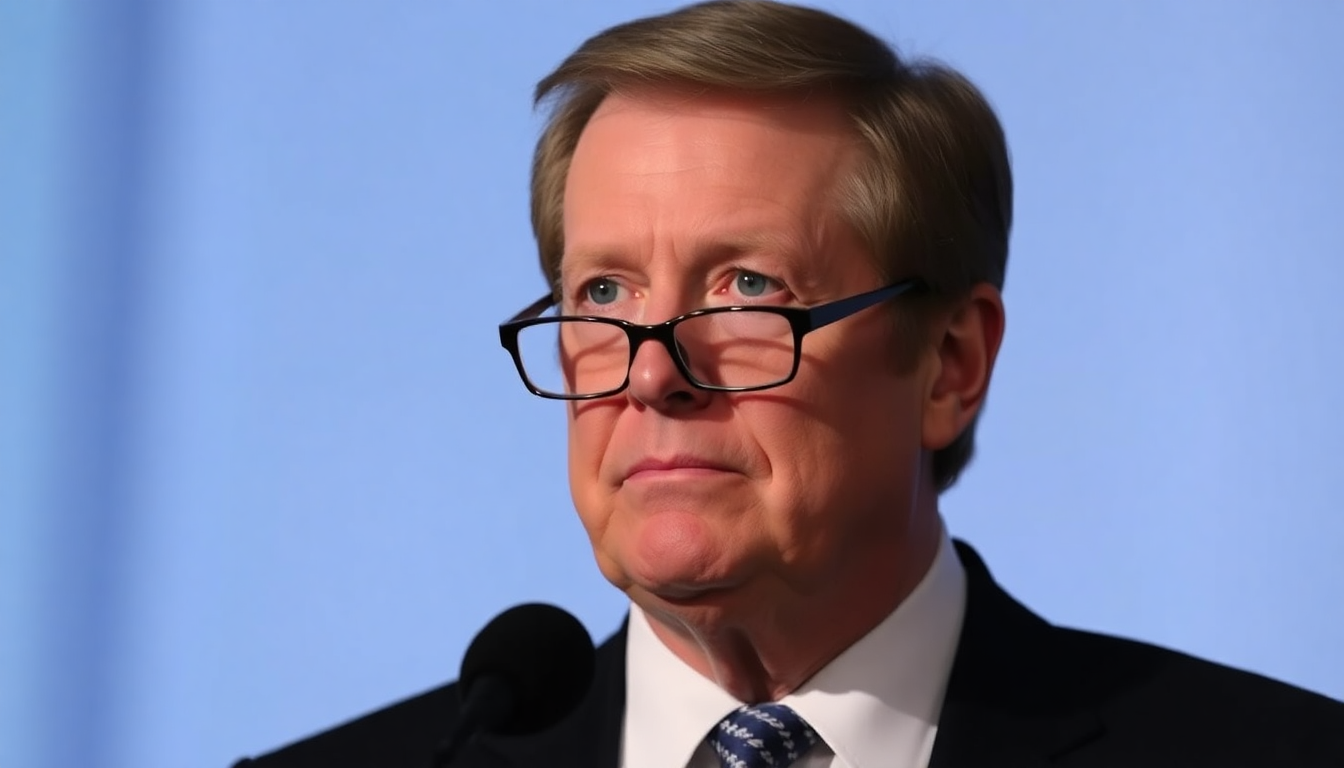
Kathy Kraninger, president of the Florida Bankers Association and a former Consumer Financial Protection Bureau director, is serving as the project’s interim chair. She said the network is intended to provide a secure and regulated environment where banks of all sizes can offer modern financial services while continuing to serve customers efficiently across rural, urban and regional communities.
The alliance has yet to choose a technology company to build the network. Its members said they want the blockchain to be interoperable with other networks, allowing participating banks to connect with existing digital-asset infrastructure.
Banks Move Further Into Blockchain Technology
Blockchain and cryptocurrency were partly developed as alternatives to traditional banking infrastructure, but financial institutions have increasingly adopted several technologies associated with the crypto sector.
Swift, the bank-owned global payments messaging network, announced last month that 17 banks, including Citi, BNY and Wells Fargo, would begin testing transactions involving tokenized digital assets through its blockchain-based ledger.
Banks have also remained active in debates over stablecoin regulation. In April, banking organizations sought changes to the implementation of rules established under the Guiding and Establishing National Innovation for U.S. Stablecoins, or GENIUS Act, which regulates stablecoin issuers.
The BankChain Alliance could give the banking industry a dedicated blockchain infrastructure for expanding tokenized deposits, stablecoins and blockchain-based payment services while keeping those activities within the existing regulatory framework.