

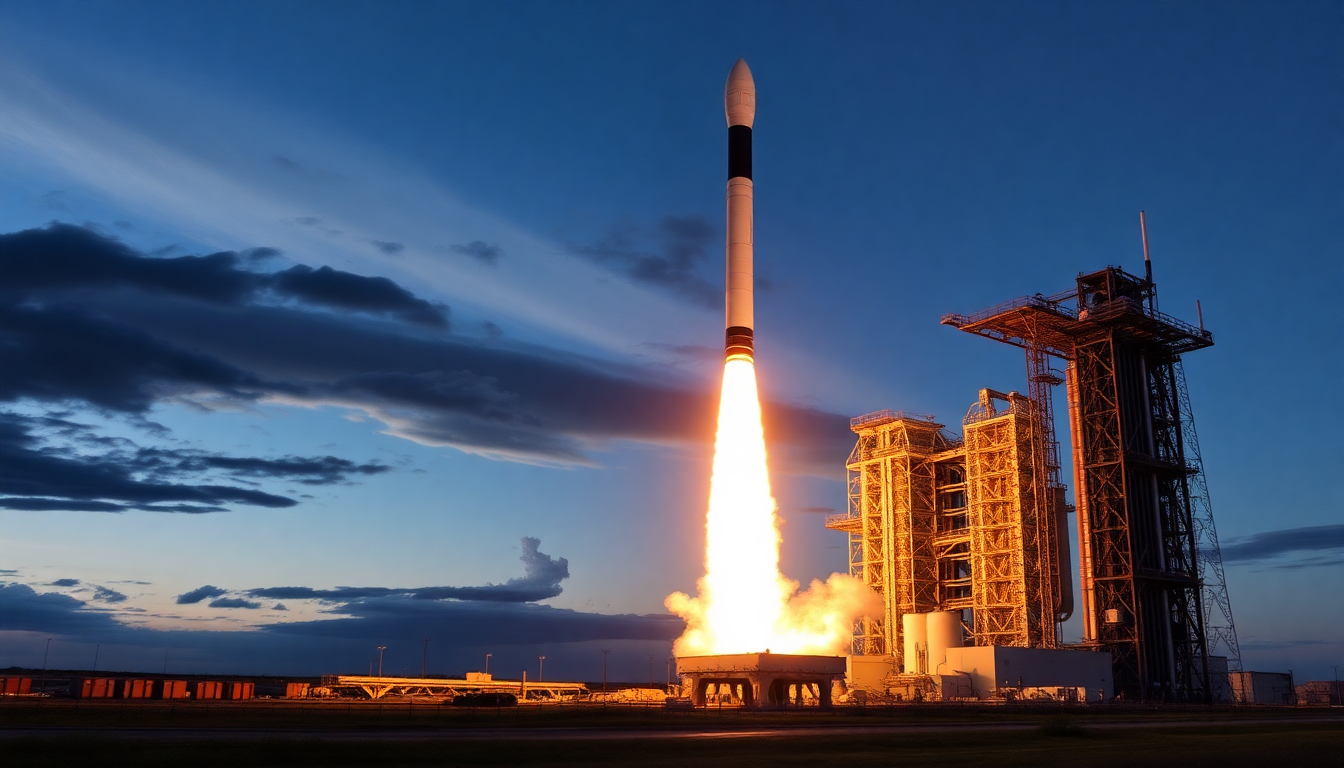
SpaceX is preparing a $24 billion investment in Texas to develop an artificial intelligence supercomputer supported by its own natural gas power facility. The proposed development is valued at nearly 17 times the company’s Bitcoin reserves, highlighting the scale of its expanding infrastructure ambitions.
The aerospace company, which holds thousands of Bitcoin and completed a historic public listing in June, plans to establish an independent computing and electricity generation complex in Starbase, Texas.
Located in Cameron County, Starbase is the city built around SpaceX’s primary rocket production facility and launch site. The proposed development would include a natural gas-fired power station and a large data center identified in a municipal notice as a “super-compute facility.”
The project’s estimated $24 billion valuation stands well above SpaceX’s cryptocurrency holdings. According to Bitcointreasuries.net, the company owned 18,712 BTC worth approximately $1.39 billion at the time of writing. This makes the proposed investment roughly 17 times larger than the value of its Bitcoin portfolio.
The planned electricity facility would reportedly operate 35 turbines capable of generating a combined 748 megawatts. By building its own power infrastructure, SpaceX would take a different approach from conventional AI data centers, which generally depend on electricity delivered through public utility networks.
The city’s notice explicitly states that SpaceX intends to “construct, own, and operate” both the gas-powered plant and the supercomputing facility.
SpaceX is not alone in pursuing dedicated energy supplies for artificial intelligence operations. Anthropic recently agreed to acquire 1.7 gigawatts of gas-fired generation equipment through a $3.4 billion deal. A gigawatt represents 1,000 megawatts of electricity capacity.
Despite outlining the proposed infrastructure, the municipal notice does not provide a specific explanation for SpaceX’s decision to build and operate its own power station.
The development reflects a broader shift in the technology industry, where expanding AI workloads are increasing demand for reliable electricity.
“The AI boom is becoming a gas story,” the Global Commodity Trader Index, which tracks institutional commodity trading firms, commented on X.
The organization highlighted how major technology companies are increasingly choosing to secure electricity generation directly rather than wait for utility providers to expand their infrastructure. This trend could create significant long-term opportunities for natural gas suppliers, turbine manufacturers and pipeline companies as data center electricity requirements continue growing.
SpaceX’s AI Expansion Gains Momentum
SpaceX’s entry into large-scale AI infrastructure follows its recent corporate expansion.
In February, Elon Musk merged his artificial intelligence business, xAI, with SpaceX through a stock exchange transaction that valued the combined company at approximately $1.25 trillion.
The proposed Texas development would further strengthen the company’s position in the rapidly expanding AI computing industry by combining high-performance computing infrastructure with dedicated electricity generation.
Tax Break Request Faces Political and Regulatory Challenges
SpaceX is also pursuing financial incentives to support the proposed development. The company has requested a property tax reduction from Starbase and wants to use the Cameron County Enterprise Zone program.
The city’s commission is expected to conduct a public hearing on the proposed tax relief on December 9. If approved, the arrangement would lower SpaceX’s property tax expenses associated with the project.
However, the company’s plans are unfolding amid growing political resistance to the rapid expansion of AI data centers across Texas.
Democrat Gina Hinojosa defeated Republican incumbent Greg Abbott in the November 3 gubernatorial election. During her campaign, Hinojosa raised concerns about the proliferation of energy-intensive data centers and criticized Abbott’s approach to approving such developments.
Regulatory scrutiny had already increased before the election. On August 3, Abbott ordered a temporary suspension preventing additional data centers from progressing through the state’s electricity grid connection process while regulators conducted an audit.
The review covers on-site electricity production and examines how large computing facilities could affect nearby communities and water resources, irrespective of their electricity supply arrangements.
As a result, SpaceX’s proposed natural gas power plant could become an important factor in determining how the project moves forward. Whether generating electricity independently will help the company avoid the regulatory obstacles facing other Texas data center developments remains an open question.