Singapore is considering tougher stablecoin regulations that would require issuers to maintain reserves equal to the full value of tokens in circulation while preventing them from offering interest or yield to holders.
The Monetary Authority of Singapore (MAS) has proposed amendments to the Payment Services Act that would require issuers to keep reserve assets worth at least 100% of their outstanding stablecoins at all times.
Those reserves would have to be held separately from the issuer’s corporate funds and kept with licensed financial institutions. The goal is to provide stronger safeguards for users, particularly when they seek to redeem their stablecoins.
Under the proposed framework, issuers would need to maintain sufficient reserve assets and protect those funds while redemption requests are being processed.
MAS said stablecoins should primarily be used as payment instruments rather than as investment vehicles or products designed to generate returns. The regulator therefore plans to prohibit issuers from paying interest or providing other financial benefits based on customers’ stablecoin holdings.
The authority said the proposed no-yield approach is consistent with international regulatory standards. Both the US GENIUS Act and the European Union’s Markets in Crypto-Assets (MiCA) regulation prohibit stablecoins from paying interest or offering yield.
MAS reiterated that stablecoins can have a role in payments but should not become a substitute for bank deposits or be marketed as investment products.
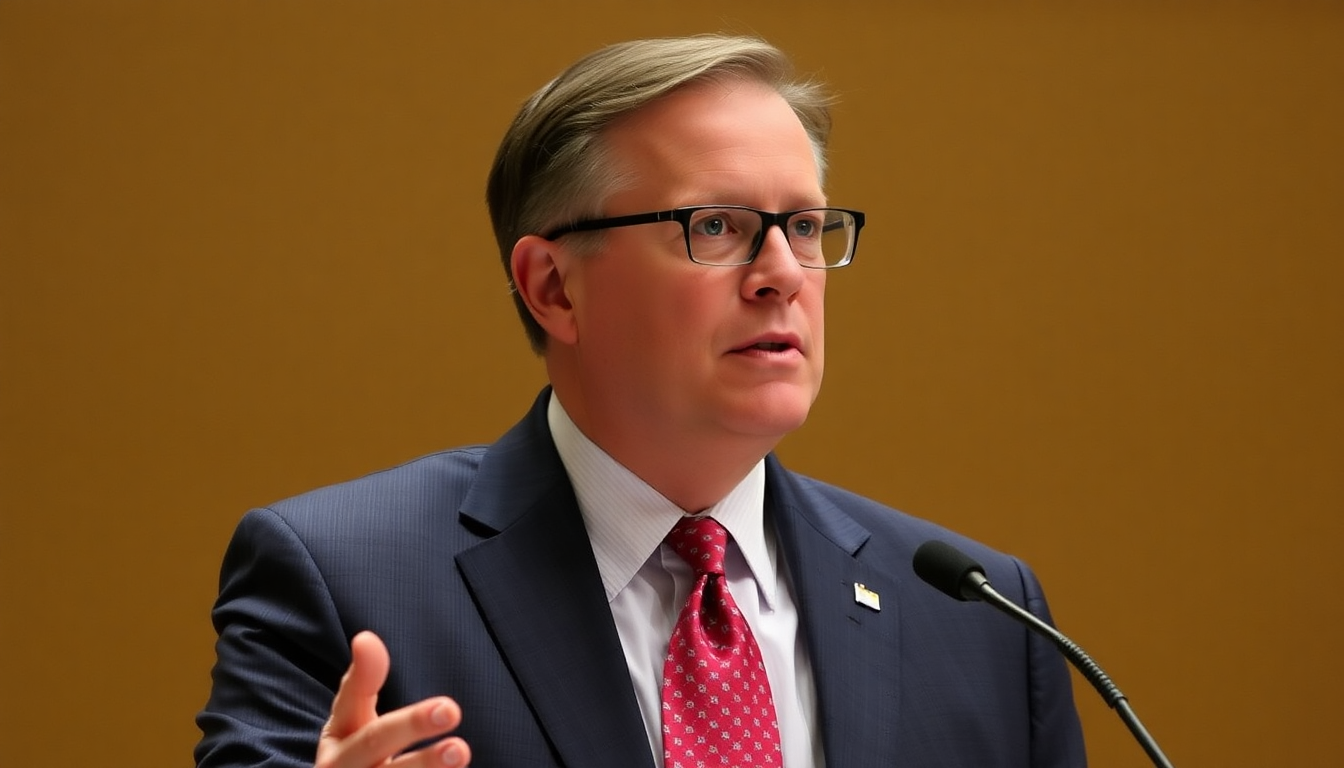
Ho Hern Shin, MAS deputy managing director for financial supervision, said stablecoins that are trusted and subject to effective regulation could become credible settlement assets for tokenized financial markets while helping limit risks to users and the broader financial system.
Singapore May Recognize Some Foreign Stablecoins
The consultation paper also proposes allowing limited recognition for a small number of foreign stablecoins regulated under overseas frameworks considered comparable to Singapore’s rules.
Several aspects remain undecided, including how the recognition system would operate, how regulatory responsibilities would be shared for jointly issued stablecoins and whether existing Singapore-based issuers would receive transitional arrangements.
MAS first introduced its stablecoin regulatory proposal for consultation in October 2022 and published its response to industry feedback in August 2023. The latest consultation period will remain open until Oct. 16.
The regulator plans to consult separately on subsidiary legislation at a later stage and has not yet provided an implementation date for the proposed framework.
Stablecoins Enter Singapore’s Financial Sandbox
The regulatory proposals come as stablecoins are already being tested within Singapore’s financial system.
Ripple is examining whether its RLUSD stablecoin can replace manual payment processes that have traditionally created delays in cross-border trade. The project is being conducted through the Monetary Authority of Singapore’s regulatory sandbox, which gives companies a controlled environment to test new financial technologies.
The initiative is part of BLOOM, an MAS program focused on expanding settlement capabilities for tokenized bank liabilities and regulated stablecoins.