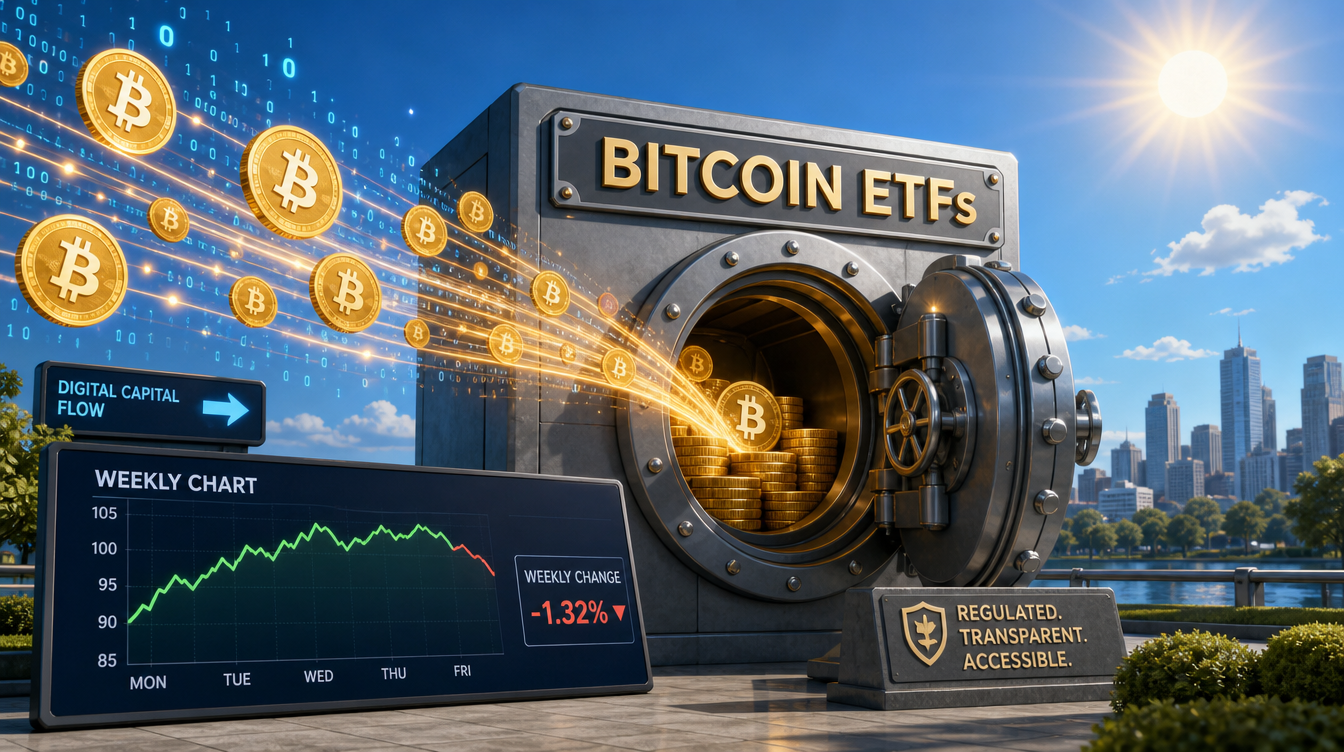
Bitcoin’s latest pullback is hitting short-term holders hard, even as U.S.-listed spot ETFs remain unusually resilient.
Despite bitcoin sliding roughly 25% from its October all-time high, U.S. spot bitcoin ETFs have seen only a modest 4% drop in assets under management (AUM). When measured in BTC terms, ETF holdings remain close to record levels — totaling 1.33 million BTC versus the peak of 1.38 million BTC on Oct. 10, a dip of just 3.6%, according to Checkonchain. Looking at AUM in bitcoin rather than dollars filters out price-driven distortions and underscores that ETF flows are not the main force behind the latest downside.
Short-term holders (STHs) now bear the brunt of the sell-off. Defined by Glassnode as investors who have held coins for fewer than 155 days, STHs are now almost entirely underwater. Bitcoin traded near $104,000 on June 15 — 155 days ago — meaning nearly all coins bought since then were acquired at higher prices than today’s ~$84,700 spot level.
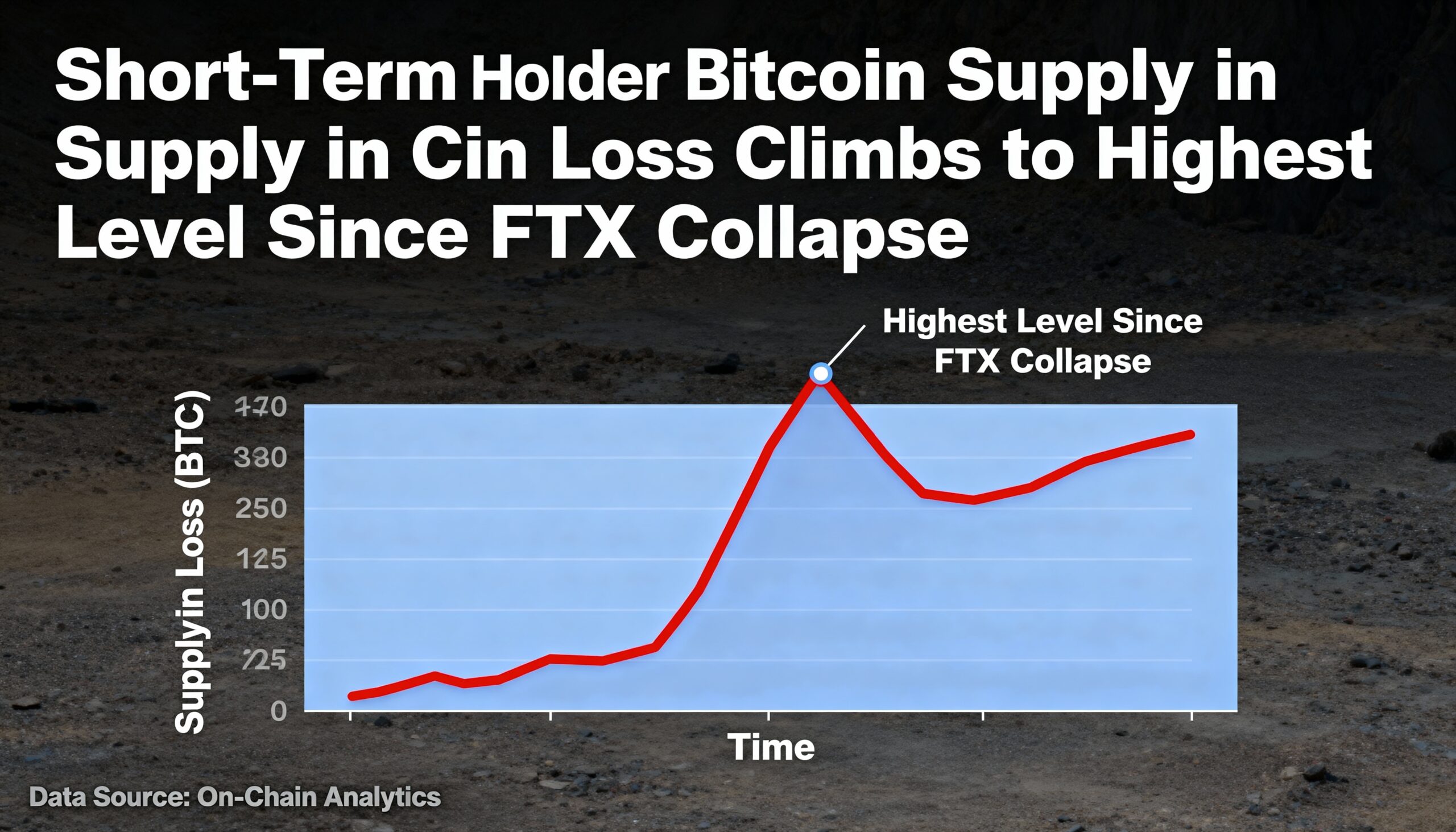
Glassnode shows that 2.8 million BTC held by STHs are currently at a loss, the largest underwater supply since the FTX collapse in November 2022, when bitcoin plunged toward $15,000.
In contrast, long-term holders (LTHs) have been steadily reducing their positions. LTH supply has fallen from 14.76 million BTC in July to 14.30 million BTC as of Nov. 16 — a decline of 452,532 BTC.
According to Bitcoin OG and Fragrant Board Director Nicholas Gregory, veteran holders have taken profits throughout 2025 after years of accumulation. He said these disposals are “largely lifestyle-driven rather than bearish sentiment,” adding that the arrival of U.S. ETFs and a $100,000 price target offered an appealing and liquid environment to trim holdings.
The diverging behavior between holders and ETFs suggests the recent correction is being fueled primarily by long-term holder distribution rather than ETF outflows. The magnitude of bitcoin’s drop — a 20–30% drawdown — remains in line with typical bull-market corrections, but its impact has been felt most acutely by short-term buyers who entered near cycle highs.