

The AI infrastructure market is encountering fresh political and regulatory uncertainty after Democrats won control of both chambers of Congress on Tuesday. The election outcome has raised concerns about tighter restrictions on data center development, while Elon Musk and investor Chamath Palihapitiya are increasingly highlighting opportunities in the space economy.
Democrat Gina Hinojosa’s projected win in Texas has intensified fears of potential restrictions on AI infrastructure projects, according to CNBC. Hinojosa has supported a temporary halt on AI data center construction. The issue carries significant weight because Texas accounts for approximately 27% of planned U.S. data center power capacity, based on Wells Fargo estimates.
The uncertainty quickly affected AI-related stocks during early trading. CoreWeave and Applied Digital shares declined approximately 3.3% and 3%, respectively, while IREN recorded a 4.3% drop ahead of Wednesday’s market opening.
The broader AI infrastructure sector has already experienced substantial losses. Shares of CoreWeave (CRWV), Cipher Digital (CIFR), IREN (IREN) and Nebius (NBIS) have fallen approximately 50% to 60% from their recent peaks. Investors are increasingly concerned about the industry’s rising capital requirements, debt exposure and uncertain profitability.
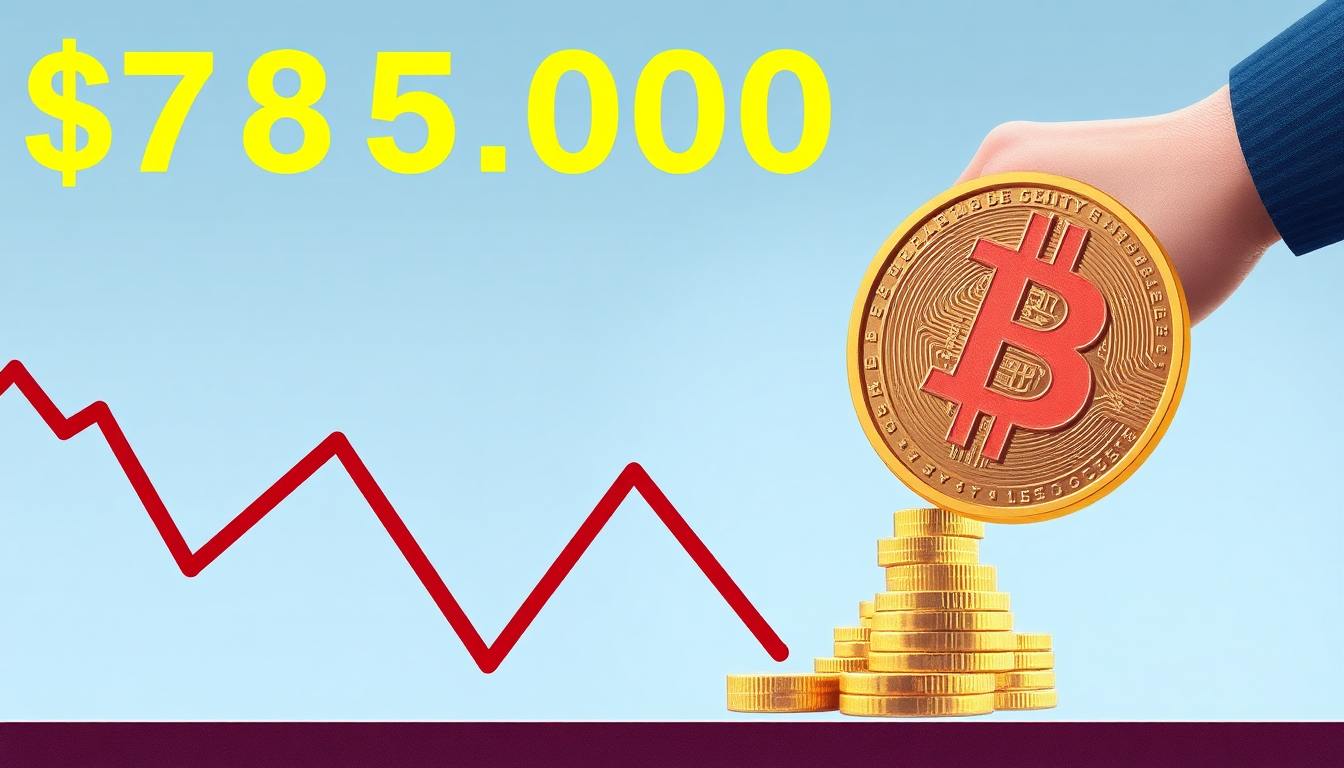
Despite the weakness in AI infrastructure stocks, broader markets began recovering from their initial declines. Invesco QQQ technology futures advanced 0.3% in premarket trading, while Bitcoin moved above $78,000, gaining more than 1% over the previous 24 hours.
Elon Musk and Palihapitiya Turn Attention to Space Data Centers
As concerns surrounding U.S. data center regulations grow, Elon Musk and investor Chamath Palihapitiya have brought renewed attention to the potential of space-based infrastructure.
The possibility of stricter construction rules could disrupt an AI infrastructure boom that benefited from Republican policies supporting deregulation and business expansion.
Musk and Palihapitiya have both publicly backed Republicans and President Donald Trump in recent years. Following the party’s losses in the midterm elections, Musk suggested that moving data center infrastructure into space could become a more attractive option.
“Data centers in space looking pretty appealing right now,” Musk wrote in a post on X.
Palihapitiya’s latest research also outlined the expanding investment potential of the space industry. Private investment in space hardware reportedly reached approximately $17 billion in 2025, a substantial increase from just $500 million in 2012.
However, the broader market pressure also affected SpaceX (SPCX). The company, which completed its initial public offering in June, saw its shares decline approximately 4% during Wednesday’s premarket session.