The crypto market is once again losing ground, weighed down by profit-taking, institutional outflows, rising macro uncertainty and persistently thin liquidity. These pressures have sent investor sentiment sharply lower, with the Fear & Greed Index falling to 10 — deep in “extreme fear” and marking its lowest level since late February.
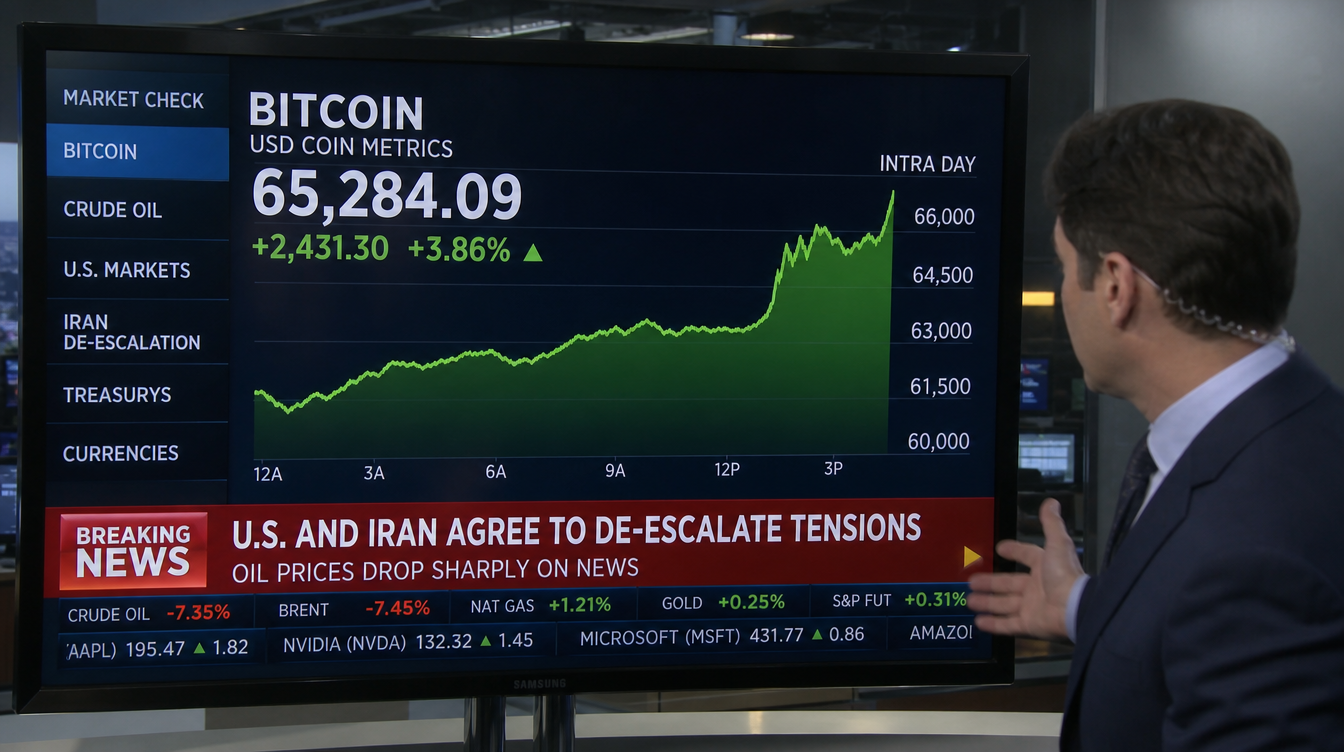
The sentiment slump follows a week of steady declines across major digital assets. Bitcoin has been at the center of the pullback, dropping to just under $96,000 and slipping below the $100,000 line for the second time this month. The move leaves BTC down more than 5% over the past week and trading at prices last seen in early March, well off its peak above $120,000.
The broader market has mirrored bitcoin’s weakness. The CoinDesk 20 (CD20) index, which tracks leading liquid cryptocurrencies, fell about 5.8% over the week.
According to Jake Kennis, Senior Research Analyst at Nansen, multiple forces are colliding. “The selloff is a confluence of profit-taking by long-term holders, institutional outflows, macro uncertainty and leveraged longs getting wiped out,” he said. “After an extended stretch of consolidation, the market has clearly shifted toward a downward direction.”
Expectations around Federal Reserve policy are adding to the pressure. Anticipation of a rate cut this month has faded, with the CME FedWatch tool now assigning roughly 50% odds to a 25 basis-point cut — a view echoed across prediction markets like Kalshi and Polymarket.
Uncertainty is being further amplified by potential delays in key U.S. economic data releases. The White House has warned that reports such as October’s inflation reading could be postponed due to disruptions caused by the recent government shutdown, leaving traders with fewer macro indicators to guide decisions.
Liquidity remains another key stress point. Order-book depth on major centralized exchanges still has not recovered from October’s major crash and remains structurally thinner, making the market more vulnerable to sharp swings and accelerating downside moves when selling intensifies