September’s stronger-than-expected U.S. inflation data could force markets to reconsider the possibility of multiple Federal Reserve rate hikes.
The Consumer Price Index (CPI) increased 0.6% in September, according to a Wednesday report from the Bureau of Labor Statistics. The monthly rise accelerated from August’s 0.4% increase, matching economists’ expectations.
Annual headline inflation climbed to 3.7%, compared with 3.4% in August and above the 3.6% forecast.
Core CPI, which excludes food and energy prices, rose 0.3% during September. That matched the previous month’s increase but exceeded economists’ expectations for a 0.2% gain.
On a year-over-year basis, core inflation reached 2.6%, up from 2.4% in August and higher than the projected 2.5%.
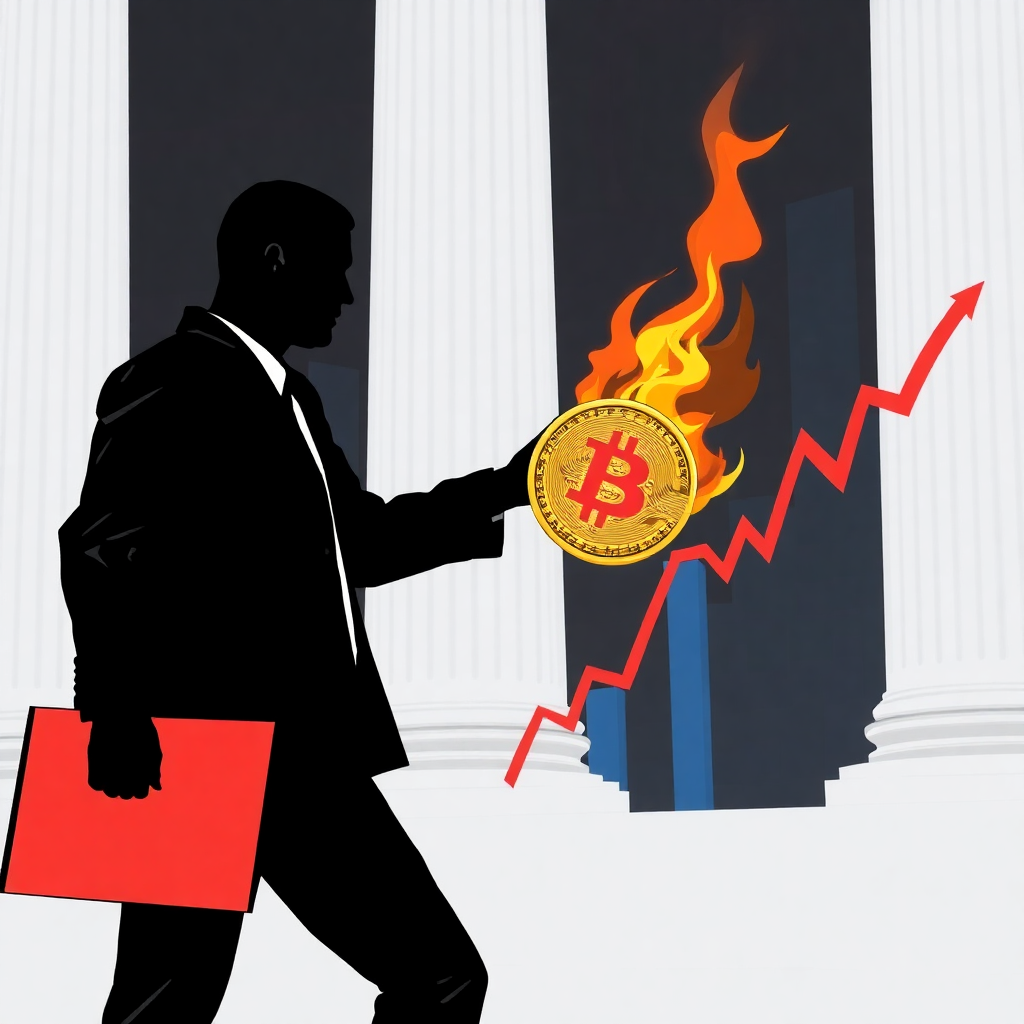
Bitcoin (BTC) fell sharply after the figures were released, losing around $1,000 and dropping to approximately $82,800 from a price near $83,212.45.
The inflation surprise also triggered a sell-off in U.S. government bonds, pushing Treasury yields higher. The 10-year yield climbed 9.3 basis points to 5.308%, while the two-year yield jumped 13.1 basis points to 4.924%.
Equity futures weakened in response, with Nasdaq 100 futures down 0.65% and S&P 500 futures slipping 0.3%. Gold also retreated, falling 1.5% to $4,116 per ounce.
In the days leading up to the report, several Federal Reserve officials had suggested that the central bank might deliver another 25-basis-point rate increase before the year ends. Markets had generally anticipated that policymakers would leave rates unchanged at their upcoming meeting in October and consider a hike at the final meeting of the year in early December.
The latest inflation figures could alter that outlook, bringing the possibility of an October rate increase back into focus and strengthening concerns that the Fed may need to maintain a more aggressive approach to monetary policy.