Trader brings Bitcoin’s HODL philosophy to a $1.14M EUR/USD perpetual trade
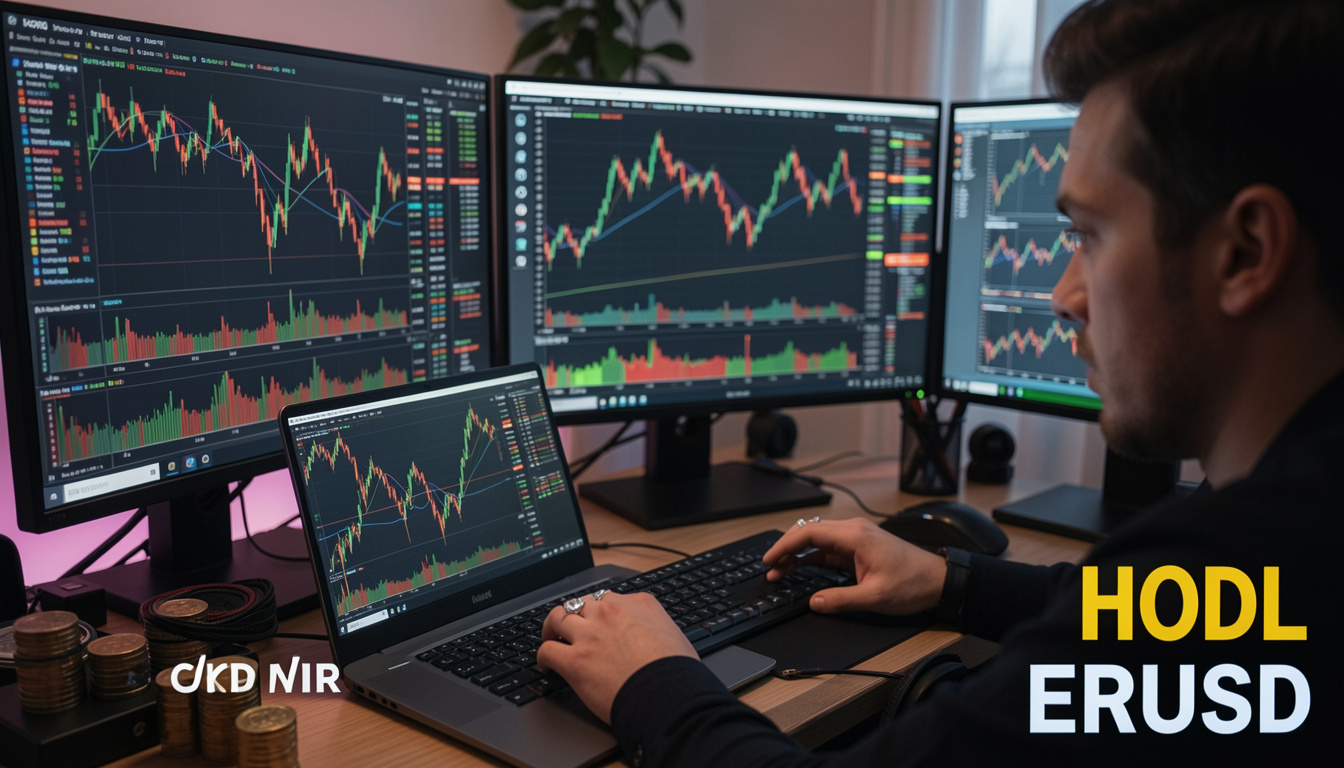
A trader on Ostium has held a $1.14 million long position in EUR/USD perpetual futures for 400 consecutive days, applying a long-term holding strategy typically associated with Bitcoin investors to the forex market.
The concept of “HODLing” — a crypto term describing the practice of buying an asset and holding it for an extended period regardless of short-term price movements — has historically been tied mainly to Bitcoin and Ethereum.
Now, a trader has extended that same approach beyond crypto by maintaining a leveraged position on the euro-dollar currency pair through decentralized exchange Ostium, which is supported by Nasdaq market data.
Ostium reported that the trader has kept a EUR/USD long position valued at approximately $1.14 million for 400 days. The trade was opened around June 2025 and represents a bullish outlook on the euro gaining strength against the U.S. dollar.
EUR/USD was trading above 1.14 at the time of reporting, roughly near its level from a year earlier. The pair had reached a peak of 1.2082 in January before pulling back.
On-chain forex trading platforms such as Ostium, Gains Network, Synthetix, and GMX remain a very small part of the broader foreign exchange market, which handles more than $9 trillion in daily trading volume.
However, the long-running EUR/USD position demonstrates that some traders are becoming more comfortable using blockchain-based platforms and perpetual contracts to take leveraged positions in traditional financial markets.
Ostium noted that the position carried a holding expense of about 2.3% annually through predictable rollover fees.
Unlike traditional crypto perpetual futures, where funding rates involve regular payments between long and short traders to maintain alignment with spot prices, Ostium applies volatility-based rollover fees for forex contracts. These fees are designed to more closely reflect the swap and rollover costs used in conventional FX markets.
The structure provides traders with a more stable and predictable cost model. Whether this example leads to wider adoption of long-term on-chain trading strategies for traditional assets remains uncertain.