Bitcoin is trading in a narrow band around $67,000, extending a period of rangebound price action that has held since early February, even as parts of the altcoin market see short-term gains.
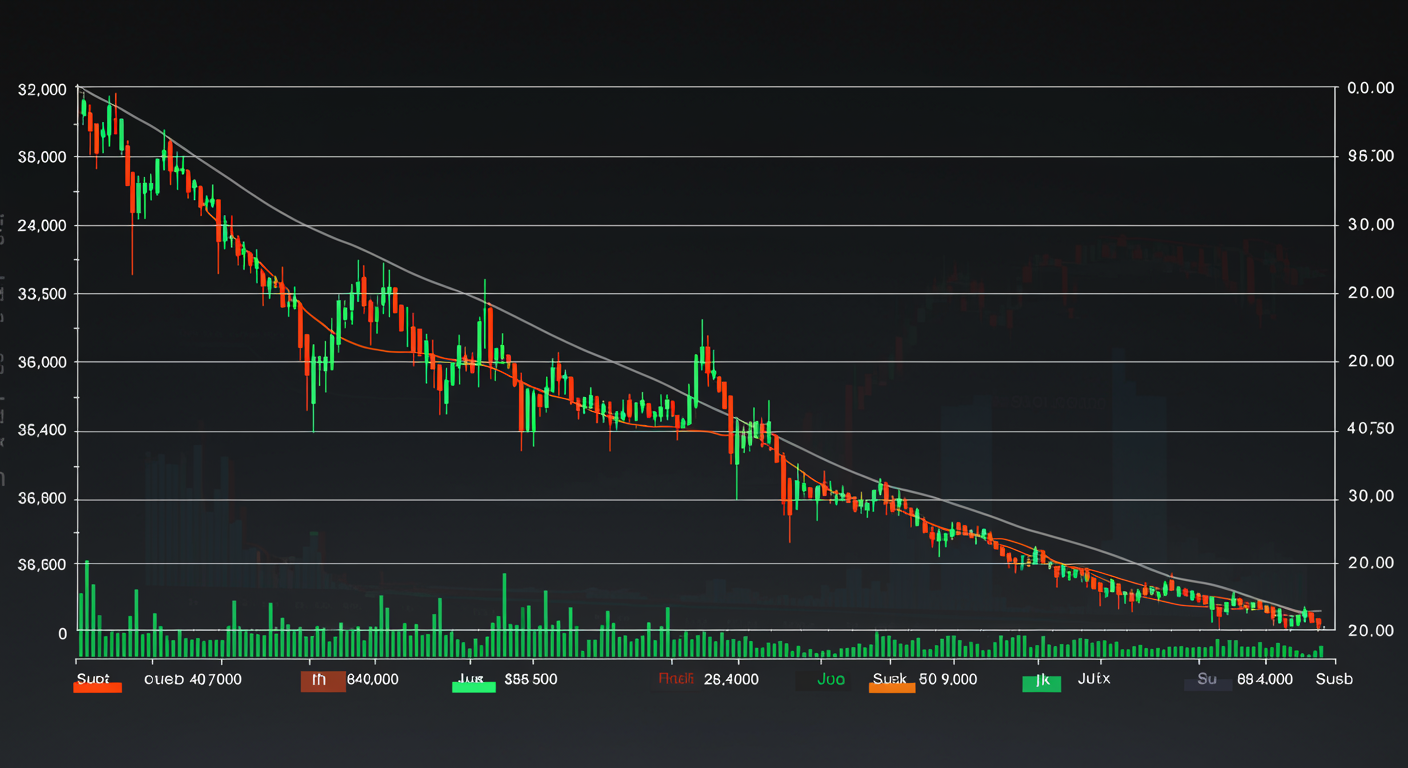
A handful of smaller tokens moved higher during low-liquidity Asian hours, with ALGO and RENDER posting double-digit advances over the past 24 hours. Still, these moves have not changed the broader market backdrop, which remains a macro downtrend in place since October, marked by a sequence of lower highs and lower lows.
In traditional markets, U.S. equities were largely flat, with volatility easing after recent comments from Donald Trump pointing to a potential de-escalation in tensions with Iran. However, Brent crude trading near $109 per barrel suggests that geopolitical uncertainty is far from resolved.
Derivatives positioning
Crypto derivatives activity has remained muted, with the holiday period keeping volumes subdued. Open interest in bitcoin and ether futures has shown little change, reflecting a lack of strong conviction among traders.
Solana futures have seen a notable rise in positioning, with open interest climbing above 65 million SOL—the highest level since early February. Alongside negative funding rates and weak cumulative volume delta, this indicates growing bearish sentiment, with traders building short exposure. Similar trends are visible in TRX and BCH.
Zcash presents a contrasting picture. Open interest in ZEC futures has held steady near 1.7 million tokens, while cumulative volume delta remains among the strongest across major assets, pointing to sustained buying interest.
Volatility continues to compress. Bitcoin’s 30-day implied volatility has fallen to around 51%, its lowest since February, while ether’s volatility has also declined to multi-week lows. Despite ongoing macro and geopolitical risks, options markets show no signs of stress.
Even so, sentiment remains cautious. On Deribit, put options for both bitcoin and ether continue to trade at a premium to calls, reflecting persistent demand for downside protection.
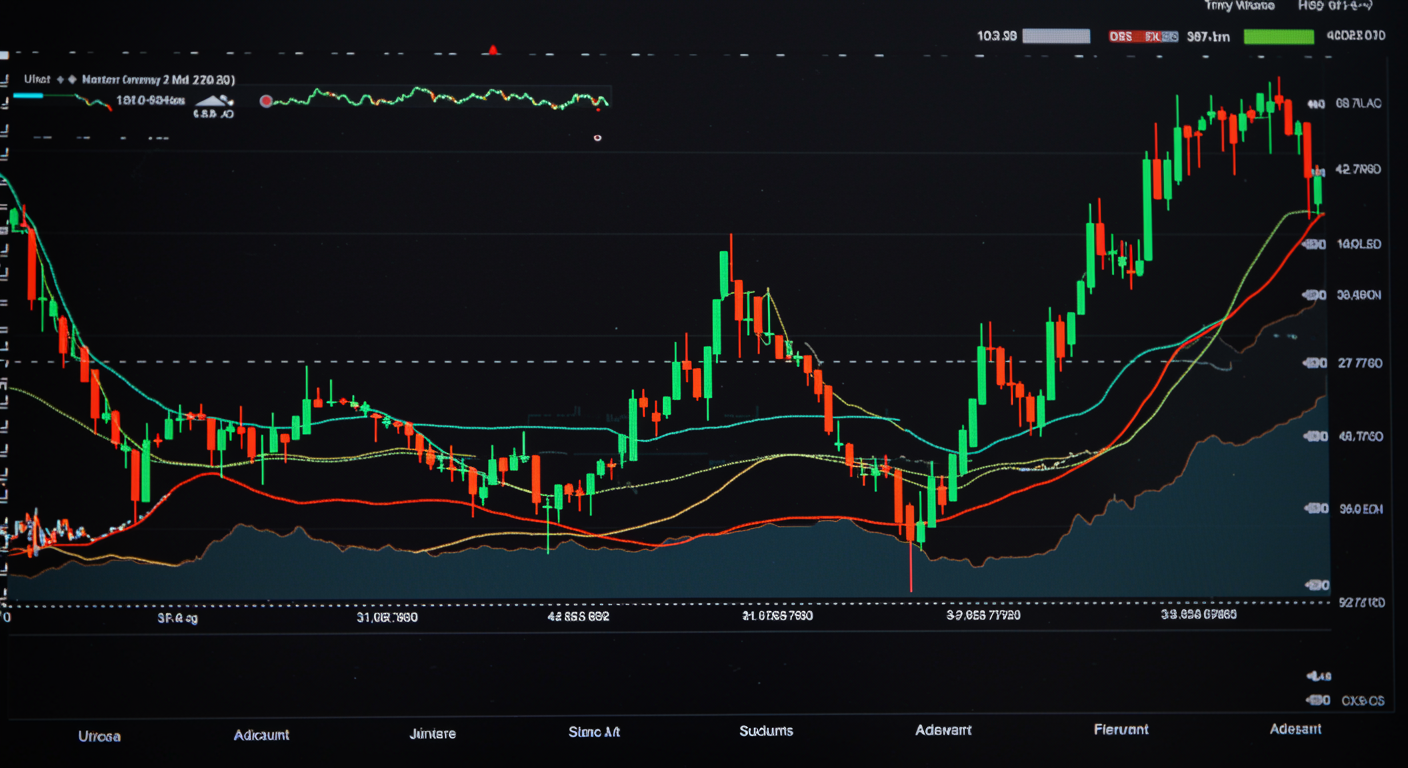
Glassnode data highlights an additional risk factor. Dealer gamma exposure remains negative from $68,000 down to $50,000, meaning market makers could be forced to sell into price declines to hedge their positions, potentially amplifying any downside move.
Altcoin divergence
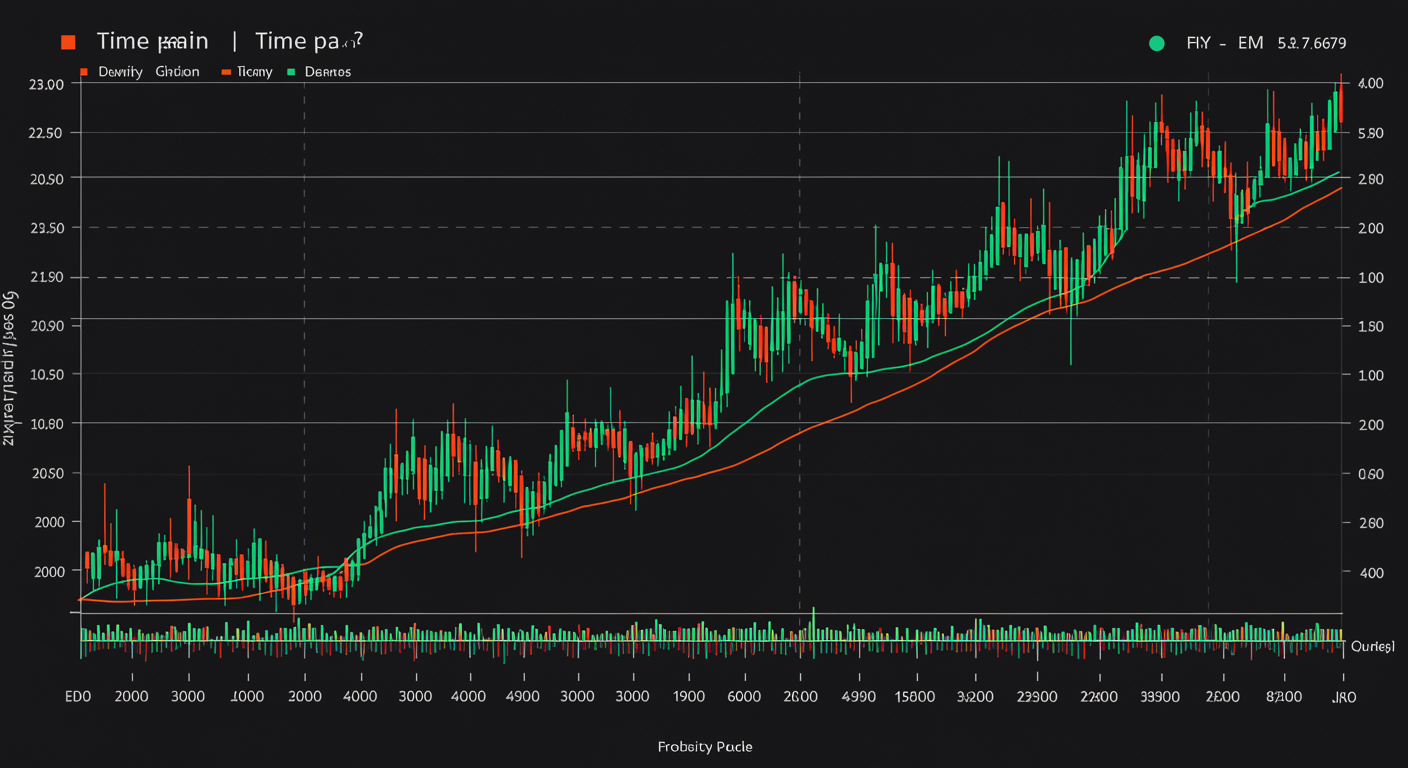
While bitcoin remains stuck in a range, certain segments of the altcoin market—particularly DeFi and AI-related tokens—have outperformed. The DeFi Select Index (DFX) is up about 1.3%, while the Computing Select Index (CPUS) has gained roughly 1.5%, both outperforming broader benchmarks like the CoinDesk 20.
This kind of outperformance is typical during consolidation phases. When bitcoin trades sideways, traders often rotate into smaller-cap assets seeking higher returns. However, these rallies tend to fade once bitcoin reasserts direction and drives the next major move in the market.
For now, crypto remains in a consolidation phase, defined by low volatility, selective altcoin strength, and derivatives positioning that suggests traders are increasingly hedging against the risk of a move lower.