Crypto ETFs Mature as Regulation, Staking, and Indexes Drive Growth
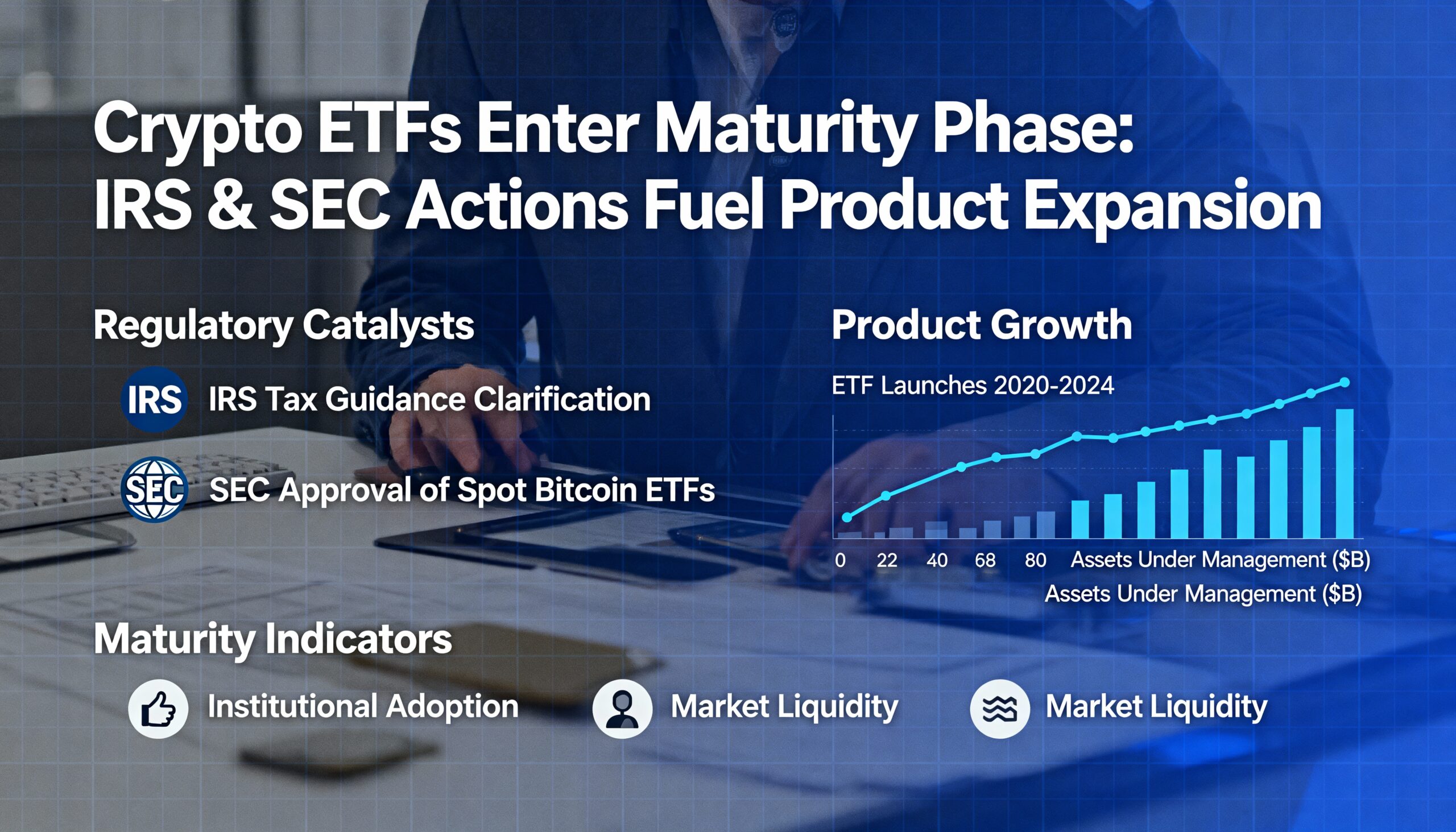
Crypto ETFs are transitioning from speculative tools to core investment holdings, fueled by staking guidance, standardized listing rules, and the rise of diversified index products.
At Tuesday’s ETP Forum in New York, a panel of ETF issuers, auditors, lawyers, and derivatives experts discussed how the market has matured and the operational infrastructure supporting rapid growth.
From Speculation to Investment
Crypto is evolving from a short-term trading asset into a long-term investment class. ETFs now hold a meaningful portion of bitcoin’s ($86,124) market cap, and new spot funds for ether ($2,815) and major altcoins have expanded access through mainstream brokerages. Investors increasingly expect ETFs to behave like core holdings rather than standalone bets.
Staking Unlocks Yield
IRS guidance now permits ETFs to stake assets such as ether and solana ($129) without compromising tax compliance. Staking secures networks and generates predictable yield, which ETFs can now distribute. This requires careful management of liquidity, lockups, and redemptions.
SEC Standards Accelerate Approvals
Generic SEC listing rules allow faster ETF launches, with Solana, Litecoin ($83), and Hedera (HBAR) funds debuting quickly. Reliance on surveillance agreements and market volume data reassures regulators, and more approvals are expected as assets meet criteria.
Operational and Index Innovations
Auditors now handle reporting and tax events, while swap desks provide leverage, staking yield, and synthetic exposure without holding tokens directly. Diversified index ETFs offer automated rebalancing and tax efficiency, appealing to investors seeking broad exposure without picking individual coins.
Digital Asset Treasuries and Derivatives
Digital asset treasuries (DATs) provide leveraged exposure but differ in structure and risk from ETFs. Futures and derivatives remain complex for retail investors, though CFTC oversight may encourage adoption. ETFs remain the most accessible regulated pathway.
Conclusion
Crypto ETFs have moved past novelty. They now operate within a robust regulatory and operational framework, shifting the focus from launching new products to sustaining infrastructure for a growing ecosystem of strategies, assets, and investors