Investors are pulling back from risk assets as a mix of inflation surprises, credit market strain and rising geopolitical tensions cloud the outlook.
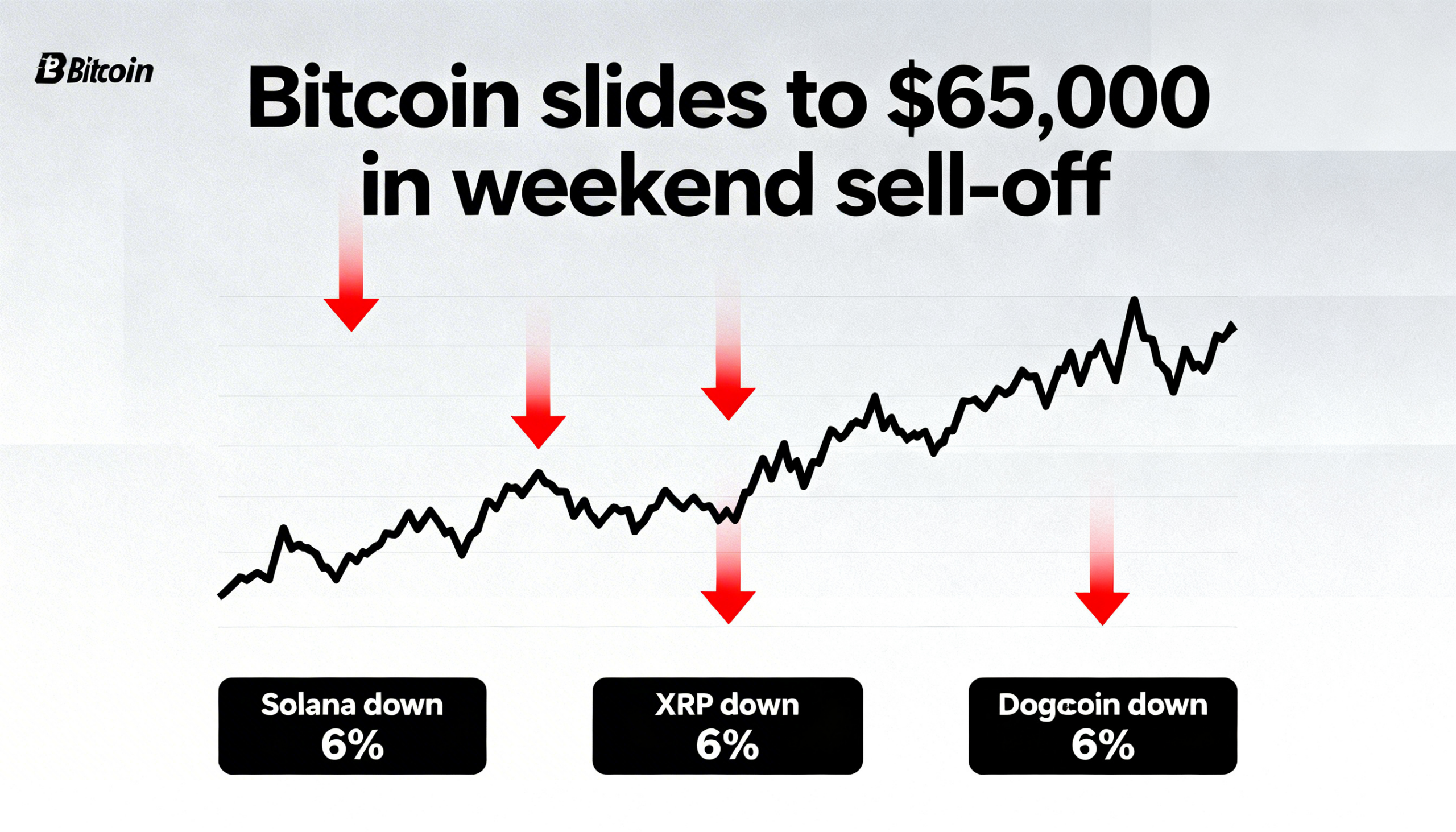
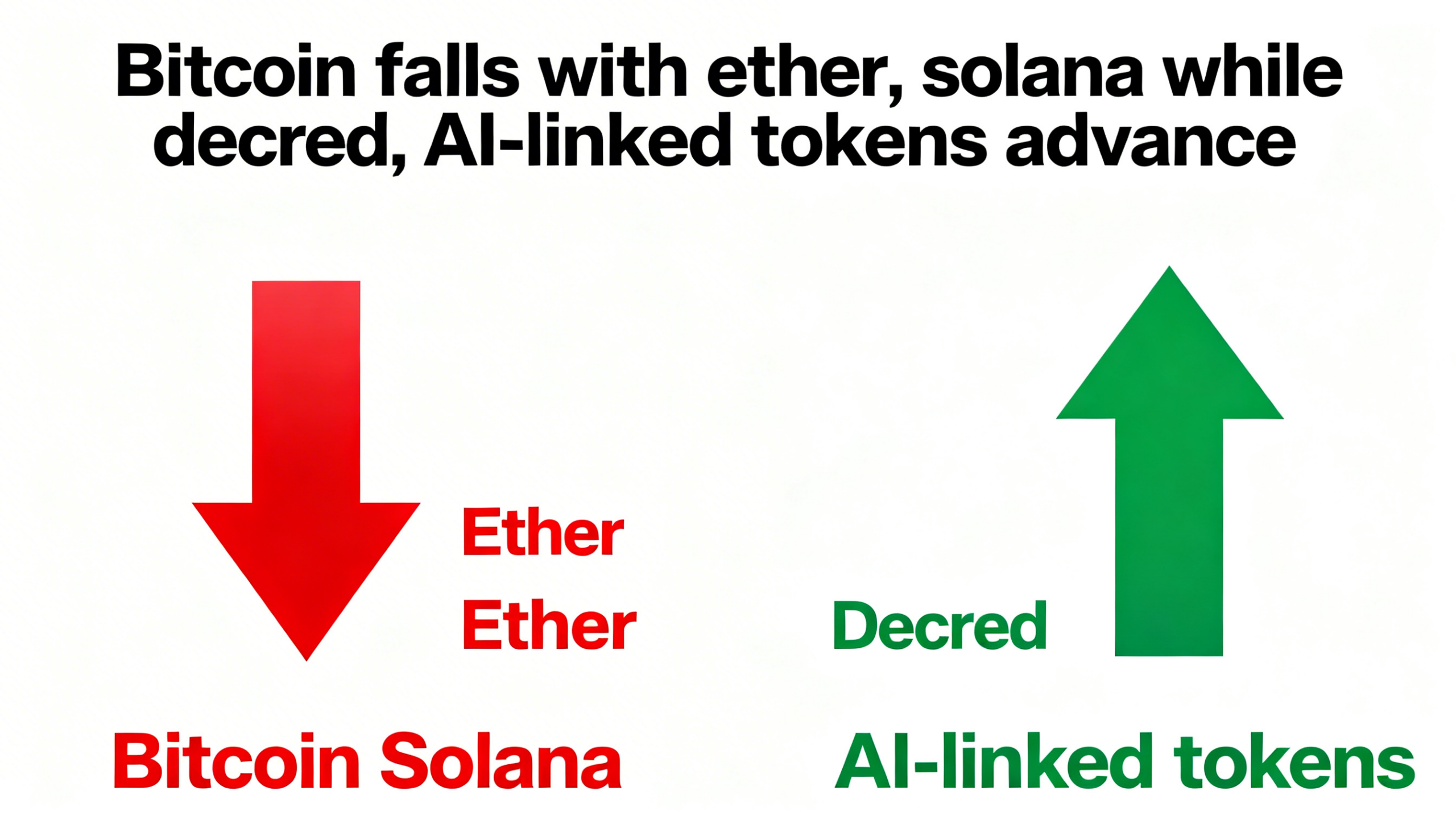
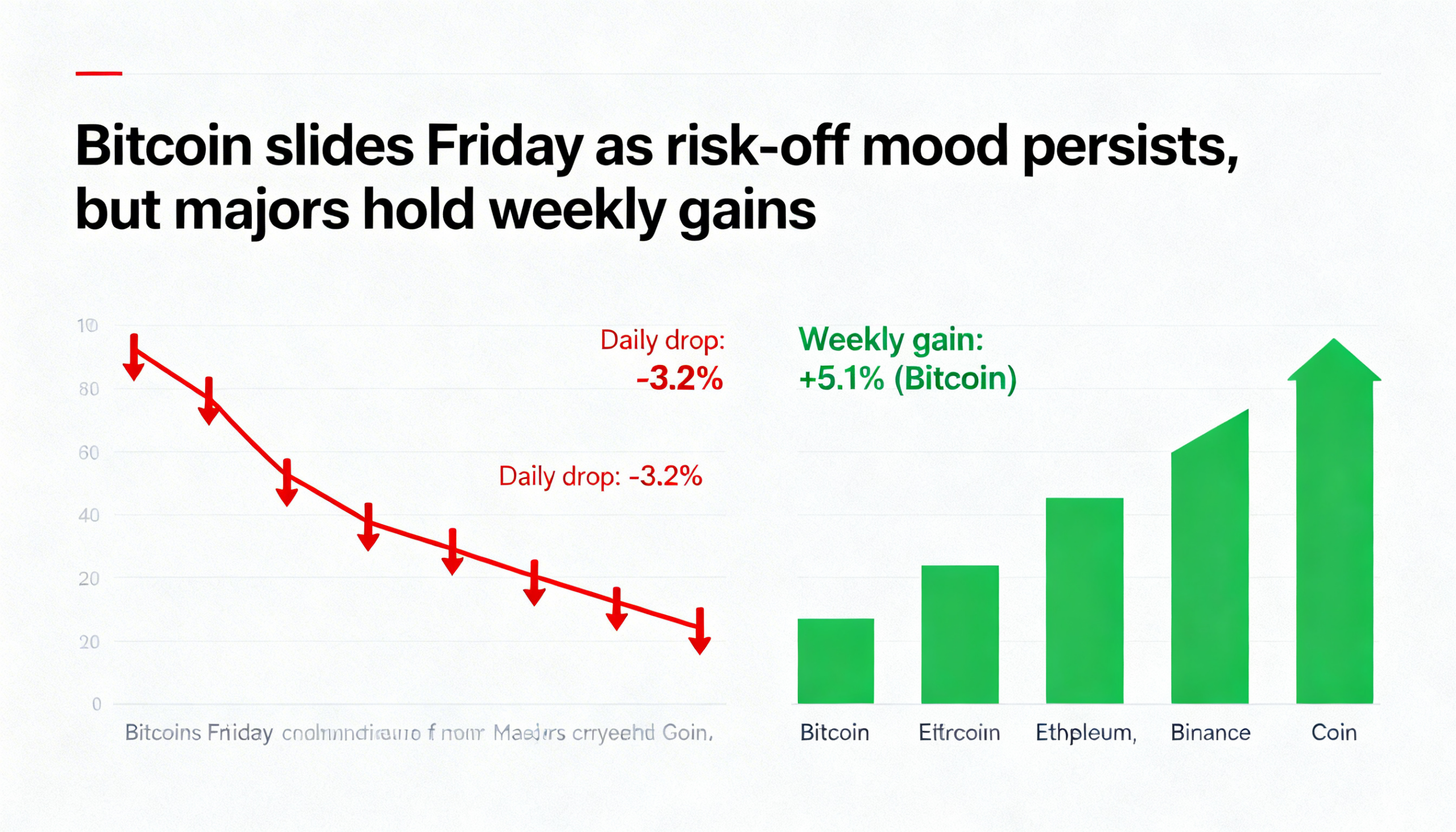
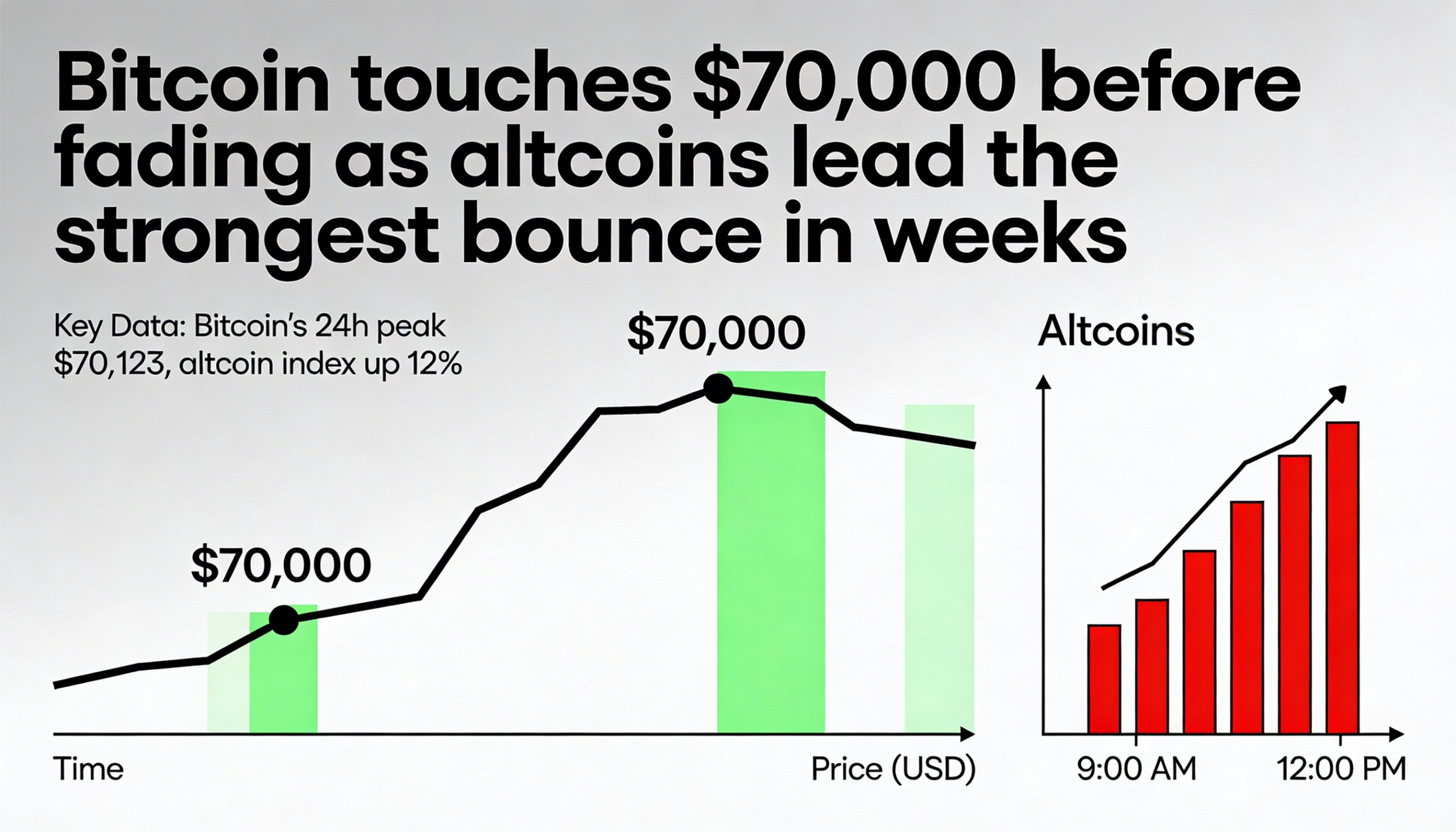
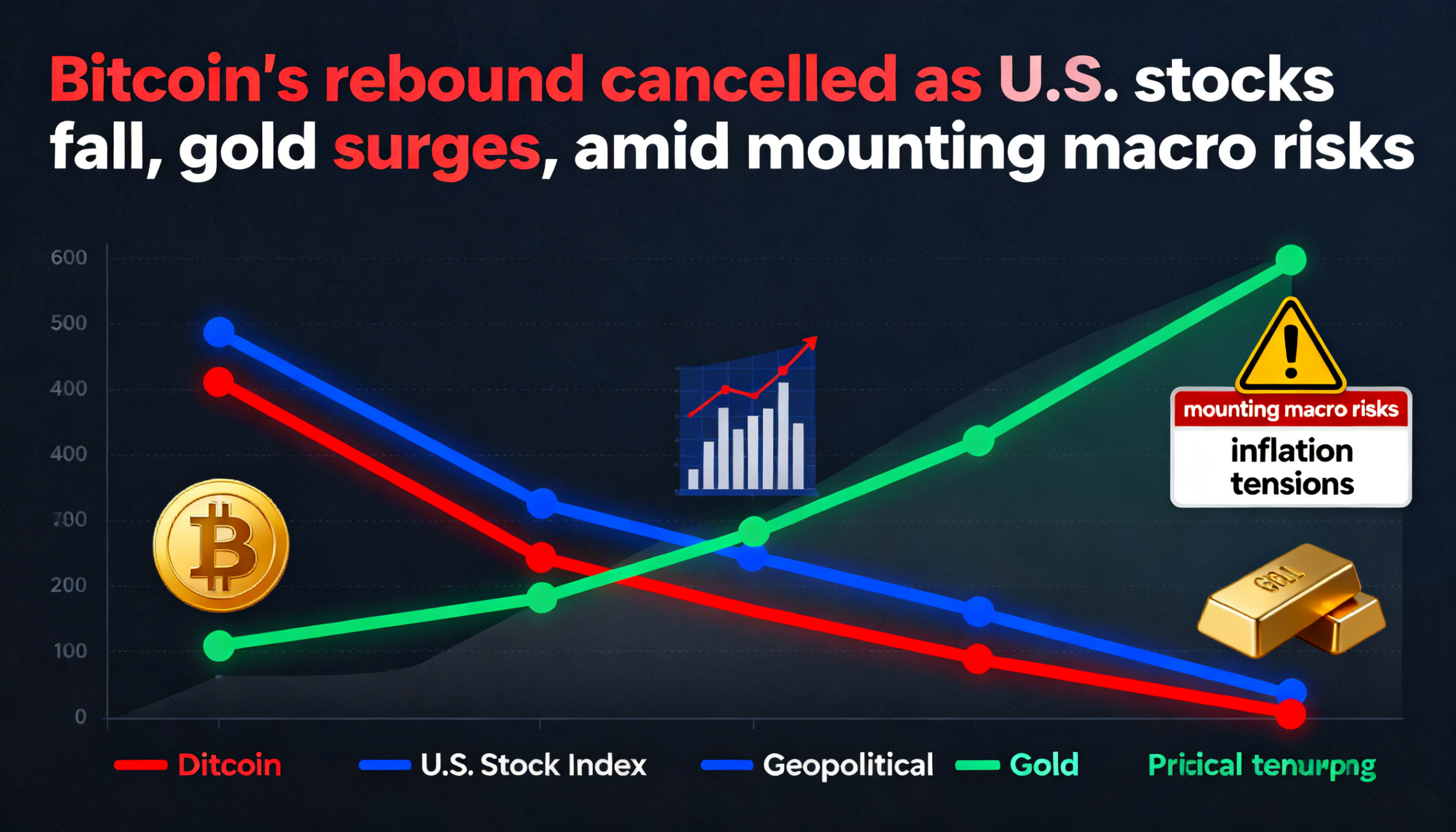
Bitcoin dropped below $66,000 during early U.S. trading Friday, unwinding most of its midweek advance. After briefly approaching $68,000, the largest cryptocurrency slid roughly 3% in a matter of hours to trade near $65,600. The broader CoinDesk 20 Index declined 2.3% over the past 24 hours, with Ethereum, XRP, and Solana posting similar losses.
Crypto-exposed equities also retreated, giving back a portion of this week’s gains. Strategy (MSTR), the largest corporate holder of bitcoin, fell 3%, while Coinbase (COIN) dropped more than 2%. Stablecoin issuer Circle (CRCL) slid nearly 5%, snapping a sharp rebound that had seen the stock surge almost 50% in recent sessions.
Bitcoin mining stocks, which are increasingly tied to artificial intelligence infrastructure narratives, faced even steeper losses. IREN, Cipher Mining (CIFR), Core Scientific (CORZ) and TeraWulf (WULF) fell between 6% and 8%.
The weakness in digital assets mirrored declines in traditional markets. The Nasdaq Composite was down 0.8%, while the S&P 500 lost 0.6%.
Inflation, Credit and Geopolitics Weigh
A hotter-than-expected Producer Price Index report dampened hopes for continued disinflation. Core PPI rose 3.6% year over year in January, exceeding expectations of 3.0% and accelerating from 3.3% previously. Markets now assign a 96% probability that the Federal Reserve will keep interest rates unchanged at its March 18 meeting.
Meanwhile, stress in credit markets remains a concern, with spreads widening to their highest levels in four months. Shares of alternative asset managers KKR, Ares Management, and Apollo Global Management dropped 6% to 7% during the session.
Geopolitical risks have added to investor unease. Prediction markets showed increasing odds of potential U.S. military action against Iran, following reports that the U.S. began evacuating some embassy staff from Israel.
Flight to Safety
Funds rotated into traditional safe-haven assets. The U.S. 10-year Treasury yield slipped below 4% for the first time since November 2024. Gold rose 1% to trade above $5,230 per ounce, while silver jumped 4% to reclaim the $92 level. Crude oil prices also climbed 2.3% to above $67 per barrel.
Paul Howard, director at crypto trading firm Wincent, said bitcoin’s near-term upside appears limited in the current risk-off environment. Following February’s options expiry, traders are positioning for BTC to remain capped between $72,000 and $74,000, with support seen around $54,000 into March.
“A cautious stance remains appropriate, particularly given that March has historically been a softer month for major cryptocurrencies,” Howard said.