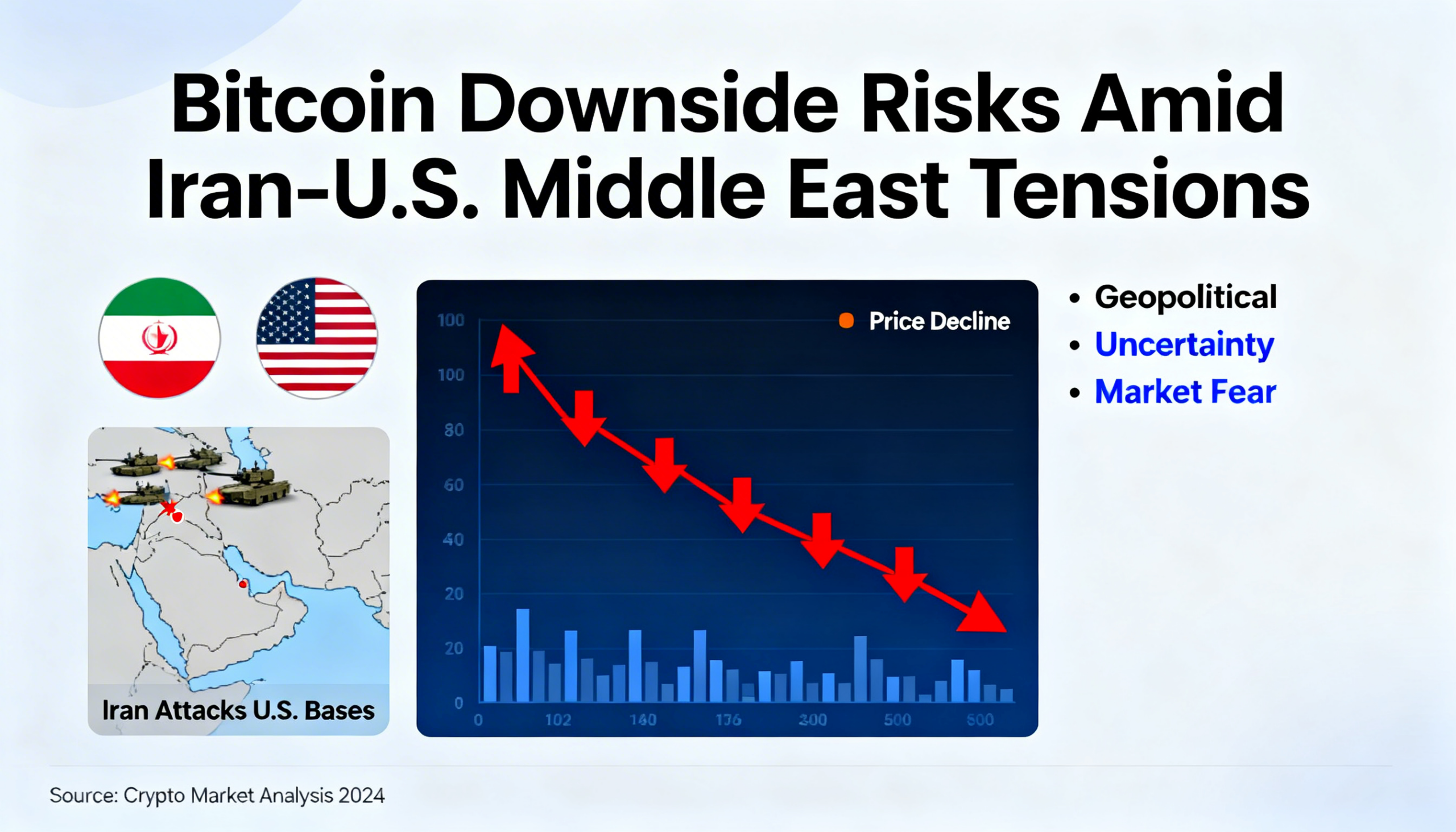
Iran unleashed multiple waves of missiles and drones across the region, targeting Israel, U.S. military installations and Gulf allies, with explosions reported in Dubai, Kuwait and Bahrain.
What started as an Israeli strike on Iranian assets just hours earlier has spiraled into the most extensive Middle East conflict in decades, raising fresh alarm across global financial markets — cryptocurrencies included.
Coverage from Bloomberg, CNN and Reuters indicated that Iran’s retaliation went beyond Israel to hit U.S. bases and interests throughout the Gulf. Bahrain confirmed an American military facility had been targeted. Qatar and the United Arab Emirates said they intercepted missiles over their territories, while explosions were heard in Dubai. Bahrain later closed its airspace.
Iran’s semi-official Tasnim news agency declared that all U.S. bases and interests in the region would be treated as legitimate targets.
U.S. President Donald Trump said Washington had launched “major combat operations in Iran” aimed at dismantling the country’s missile stockpiles, naval forces and nuclear infrastructure. He acknowledged the potential for American casualties, describing such losses as a grim but common reality of war.
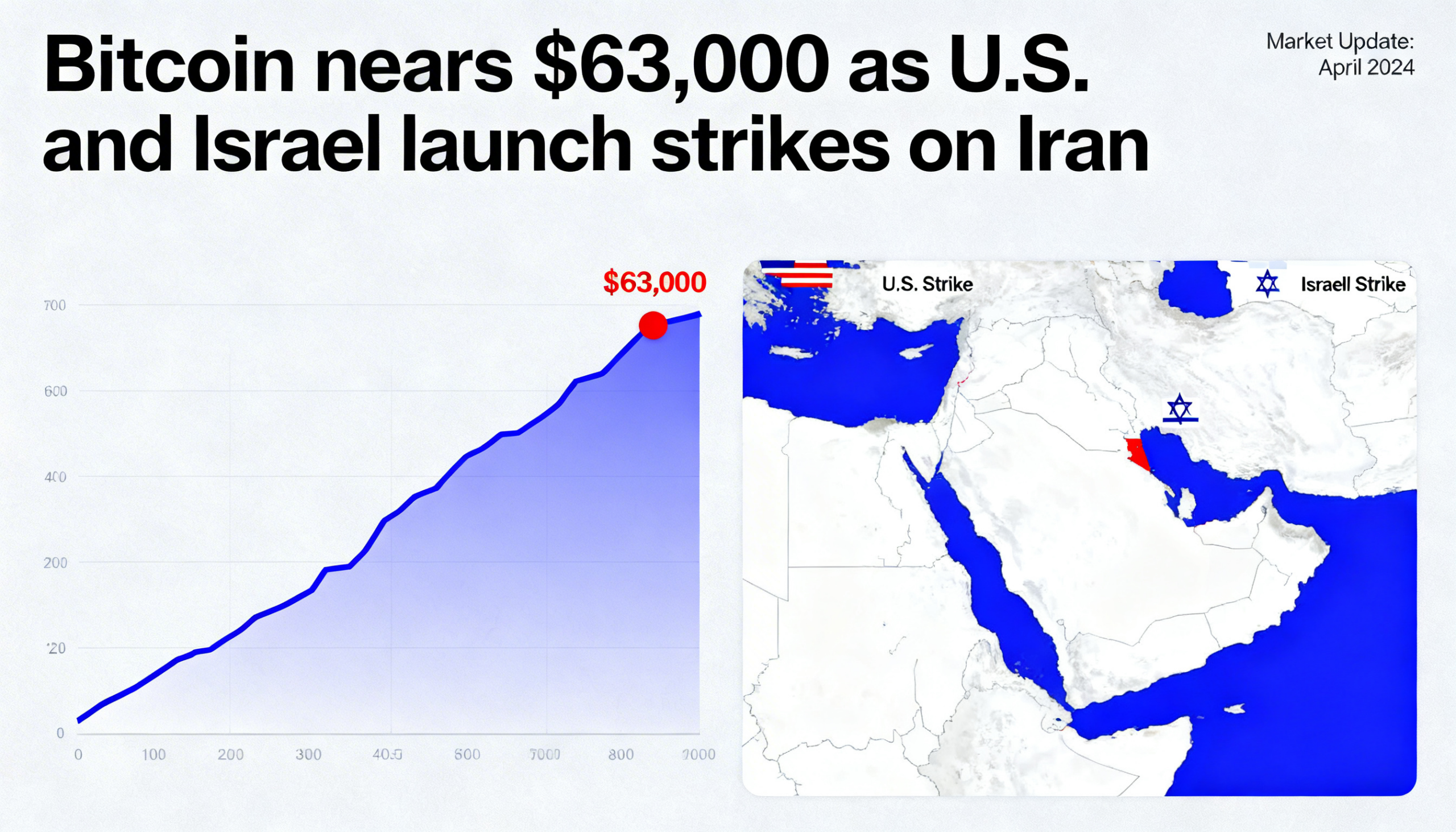
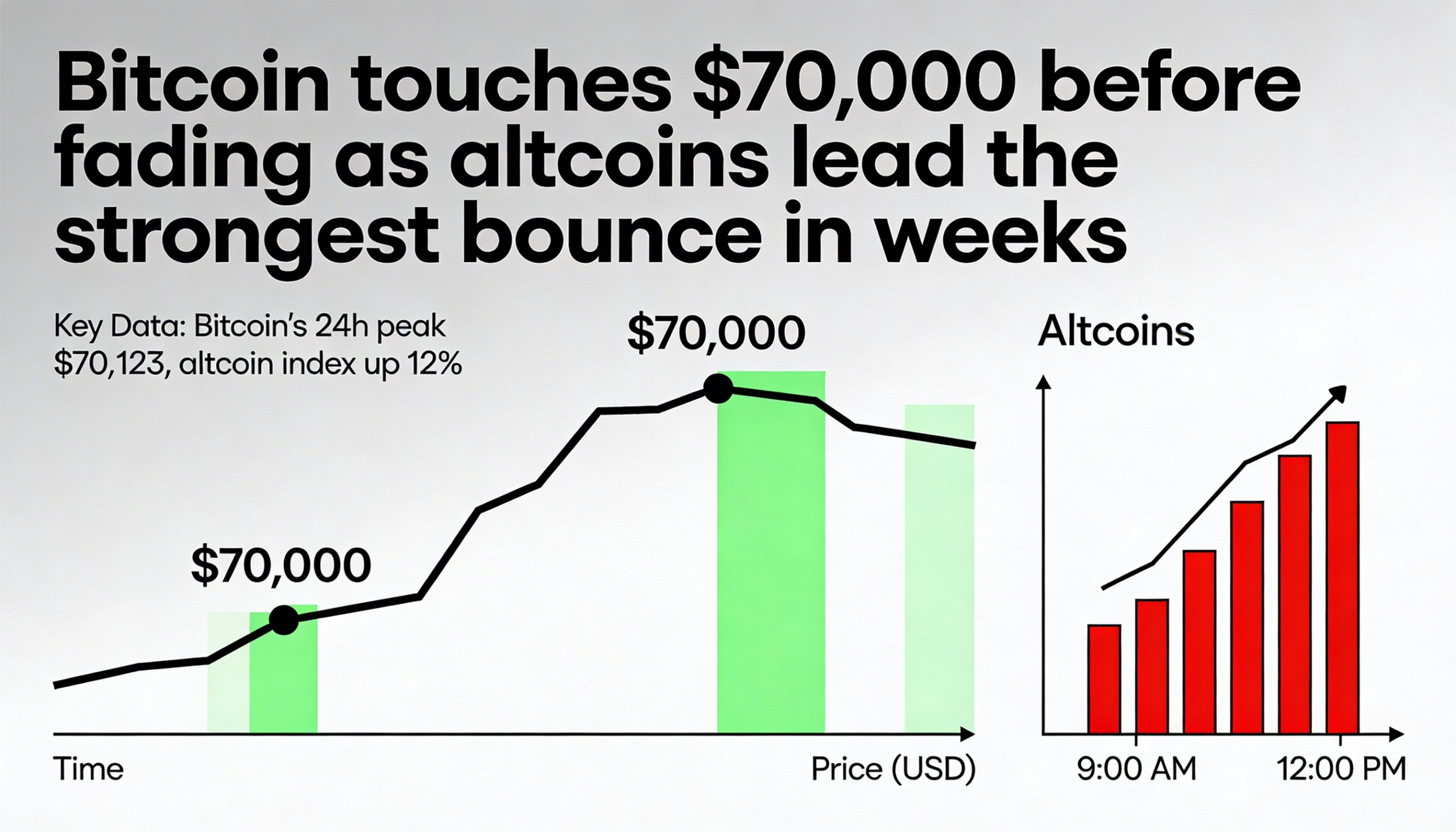
Bitcoin, which had already slipped below $64,000 following the initial Israeli action, remained above $63,000 as Iran’s retaliatory strikes unfolded. The relative calm appears partly technical. Weekend trading conditions are typically thin, and much of the leverage that might have intensified a sharper decline had already been flushed during the previous slide from $70,000.
The more decisive reaction could come when traditional markets reopen. Bitcoin often absorbs the first wave of geopolitical risk because it trades continuously, even on weekends.
Equities, crude oil and bond markets remain closed until Sunday futures trading or Monday’s cash open. If those markets gap significantly lower, bitcoin may face a second round of risk-off selling as portfolio managers trim exposure across asset classes simultaneously.
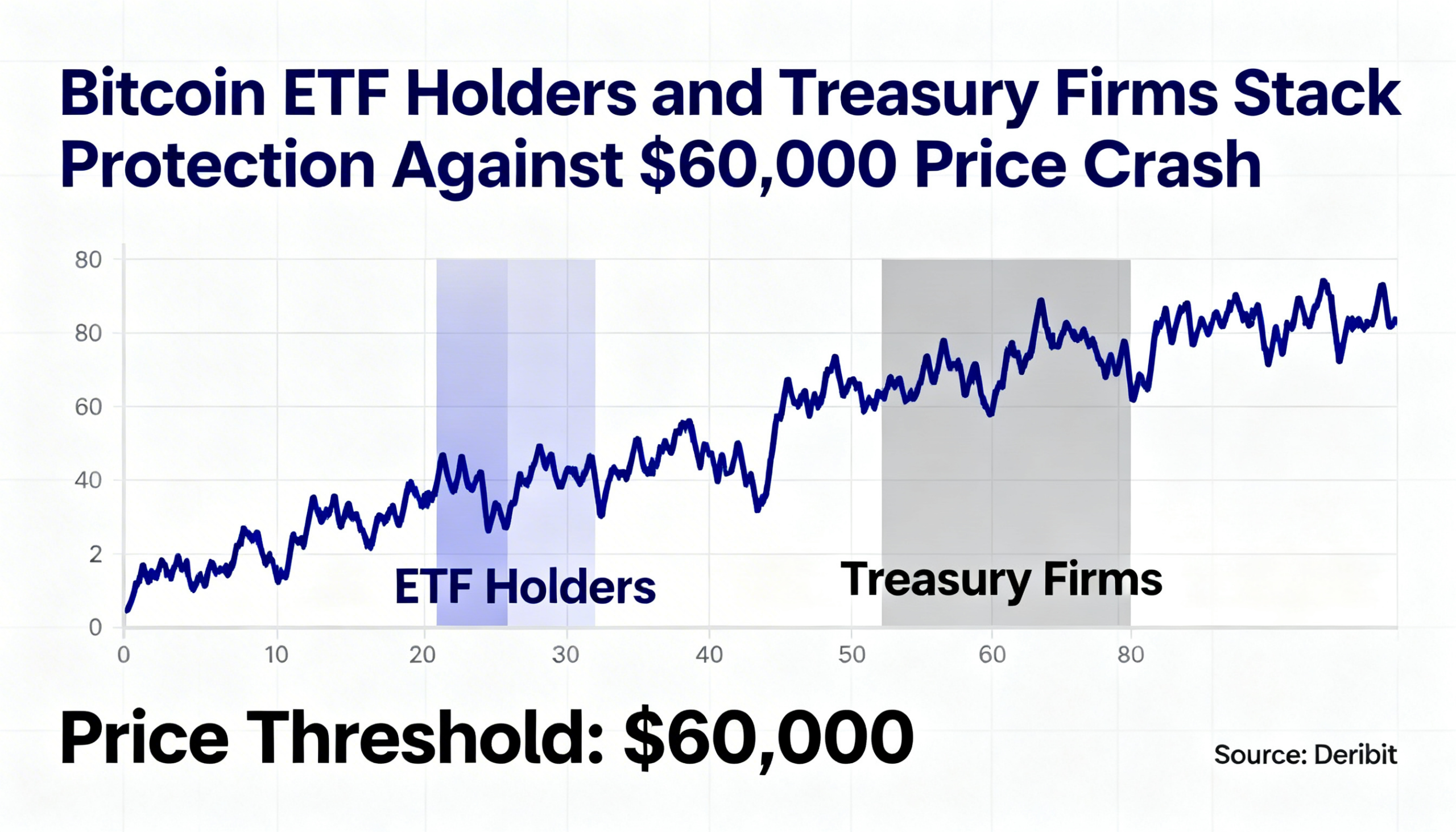
That scenario would bring the $60,000 level back into focus.
Historically, Middle East escalations have followed a similar script: bitcoin drops sharply on the initial shock and stabilizes once traditional markets digest the news and tensions appear contained. Iran’s strikes on Israel in April 2025 and earlier flare-ups in 2020 unfolded along those lines.
This time, however, the scope of the confrontation complicates the containment narrative. Missile impacts reported in Dubai, Kuwait and Bahrain point to a widening regional war rather than a limited exchange — and one unfolding in some of the world’s most economically sensitive territory.
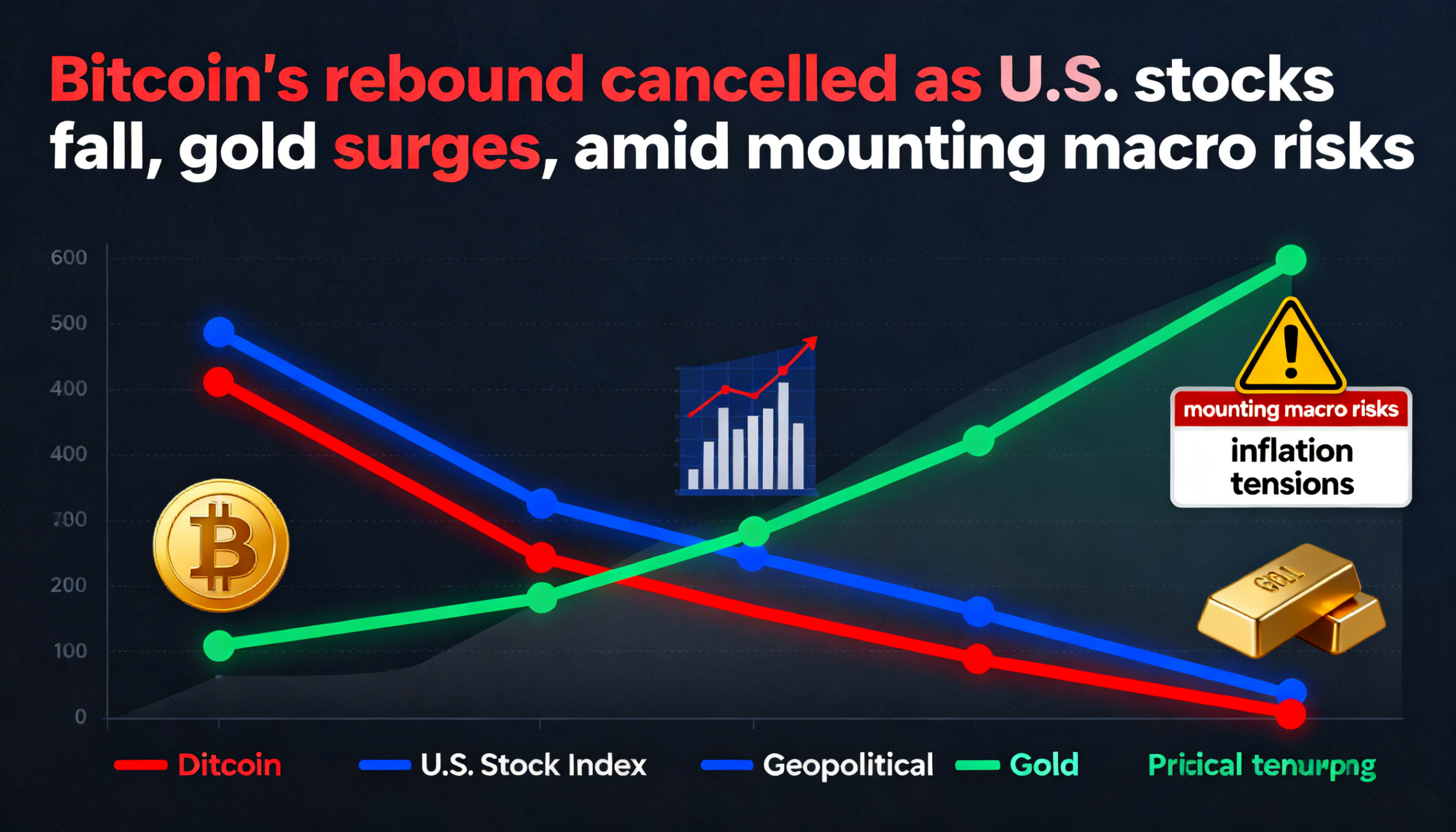
The downside risks are clear. A broader conflict could send oil prices sharply higher, fueling global risk aversion and pressuring bitcoin further. Despite its reputation as “digital gold,” the asset has historically traded more like a high-beta risk play than a defensive haven.
The $60,000 floor — which held during the Feb. 5 liquidation-driven sell-off — now represents the next major support level, potentially facing a far more severe geopolitical stress test