Bitcoin’s latest pullback once again highlights how the cryptocurrency reacts to geopolitical shocks. Because Bitcoin trades continuously, it often becomes the first major asset investors sell when crises erupt outside traditional market hours.
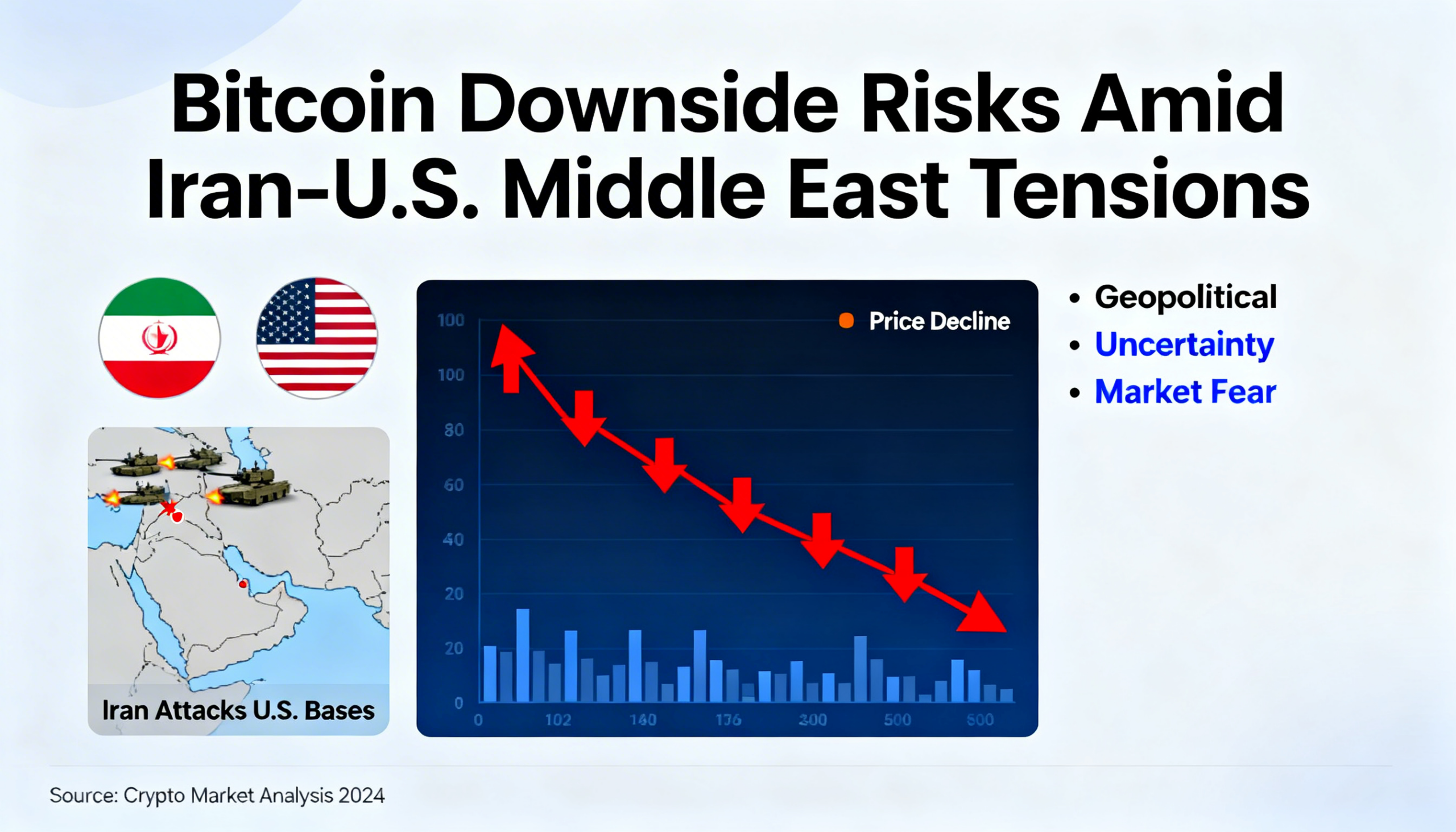
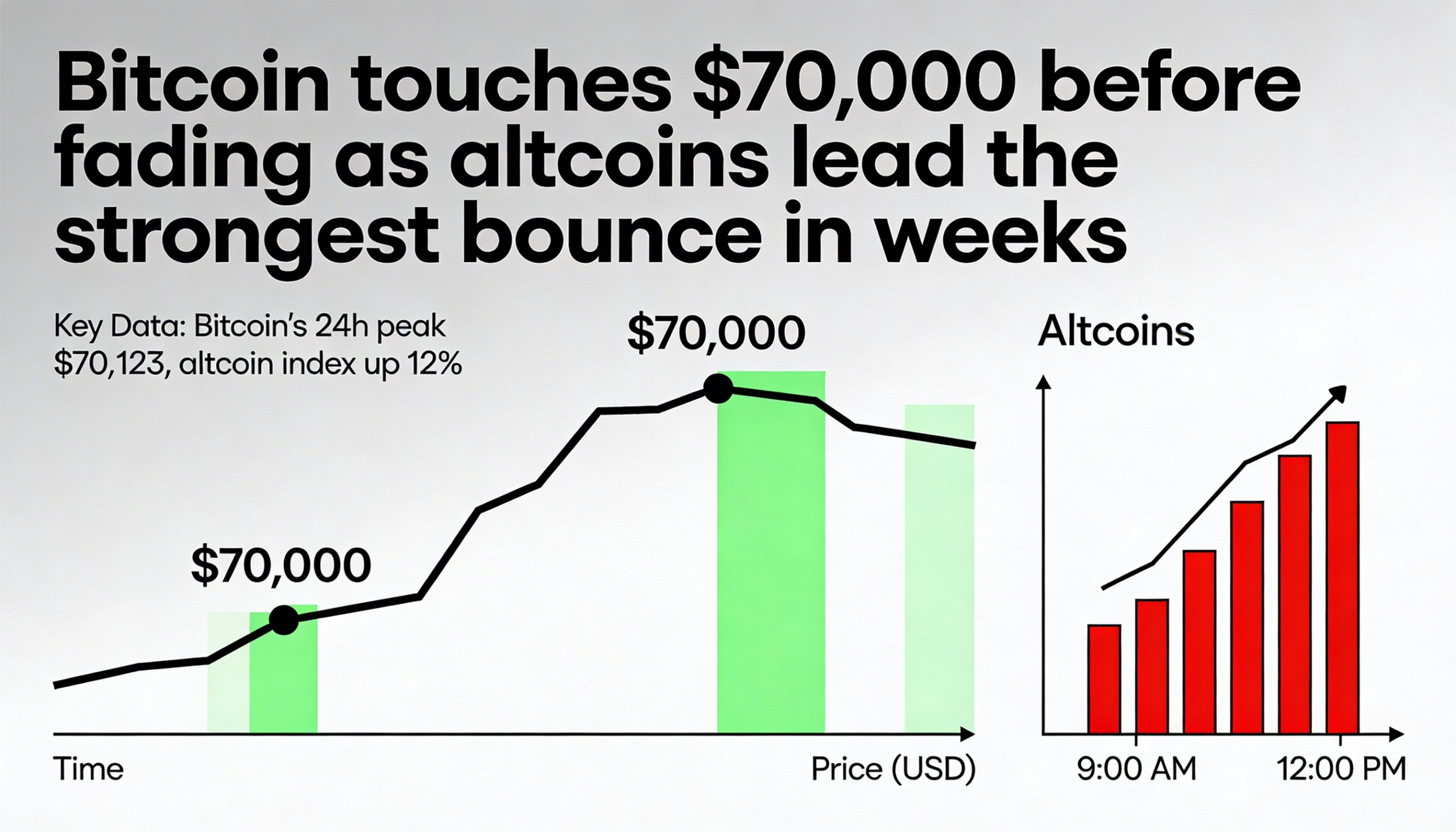
The token briefly climbed back above $65,000 before slipping to around $64,700 as tensions involving Iran escalated on Saturday. Iranian state media reported at least 70 people were killed in Hormozgan province, according to Al Jazeera, including casualties from a strike on an elementary school. Israel responded by activating air raid alerts after detecting additional missile launches from Iran.
Former U.S. President Donald Trump told The Washington Post that his objective was “freedom for the people.” At the same time, NATO said it was closely monitoring developments, China urged an immediate ceasefire, and Turkey offered to mediate.
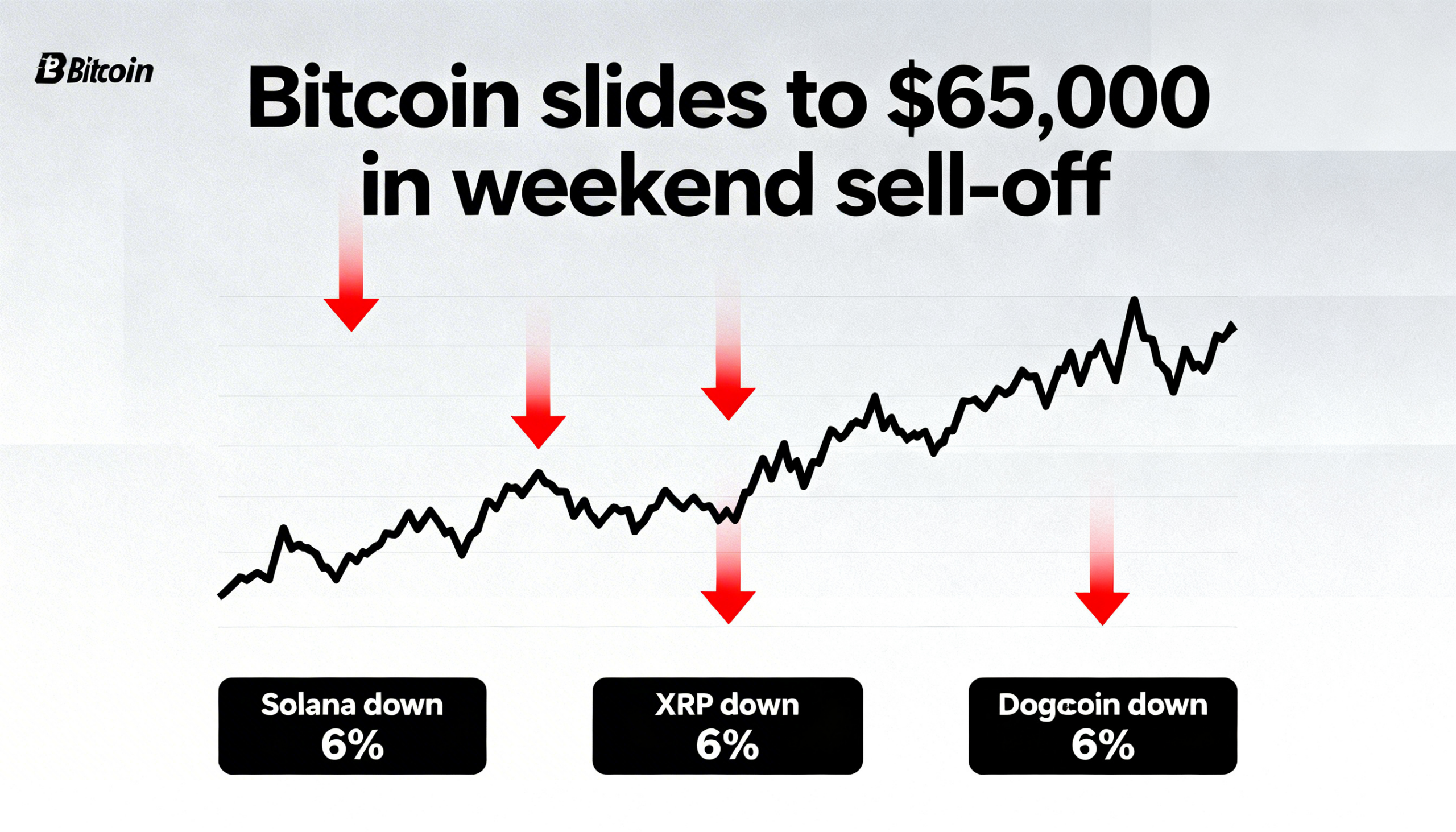
Bitcoin’s failure to sustain a move above $65,000 indicates that sellers remain active in the near term. However, given the scale of the geopolitical headlines, the relatively contained decline may reflect thin weekend order books rather than heavy, coordinated liquidation. Volatility risks remain elevated as U.S. trading hours approach.
Earlier market move
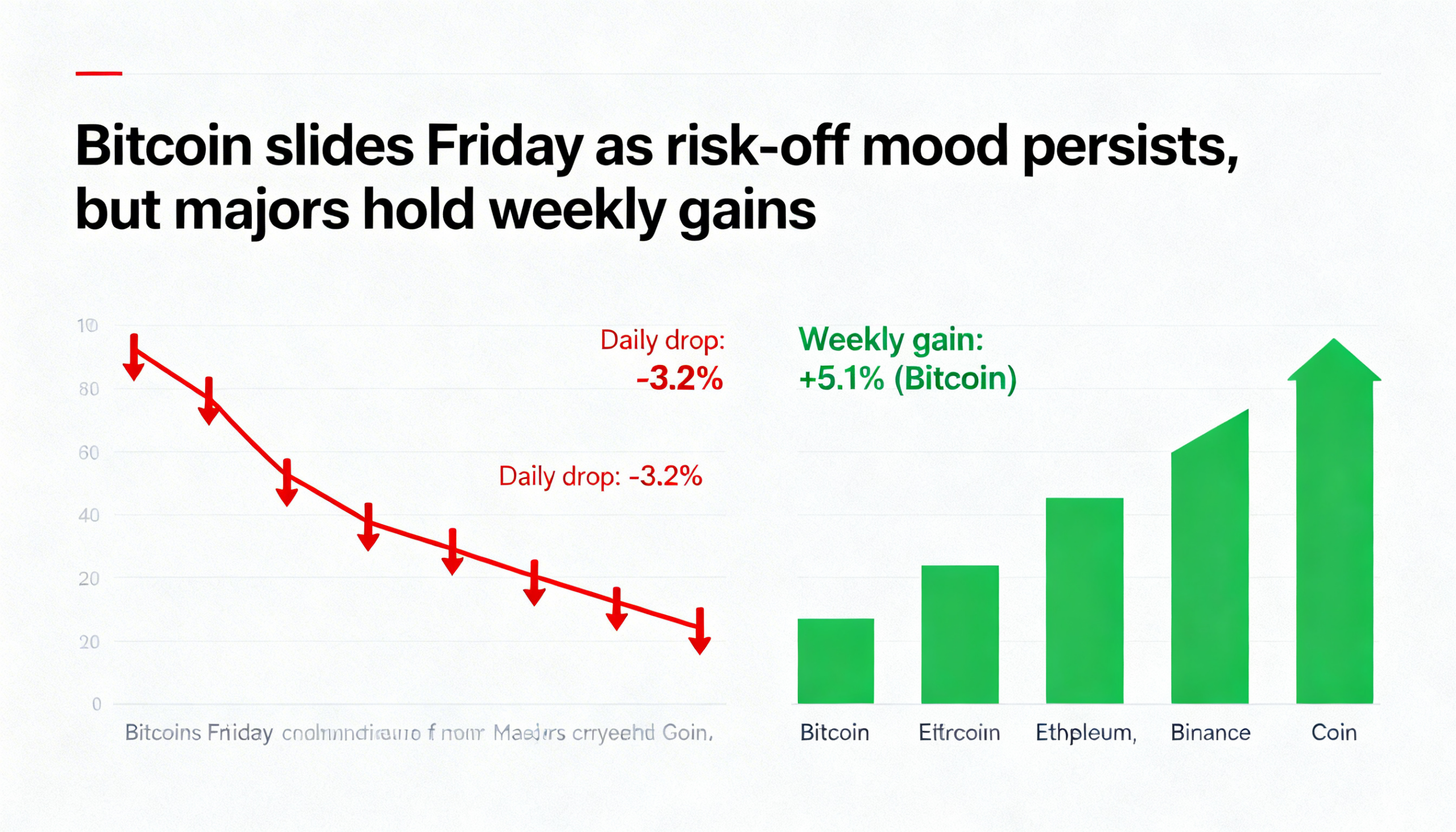
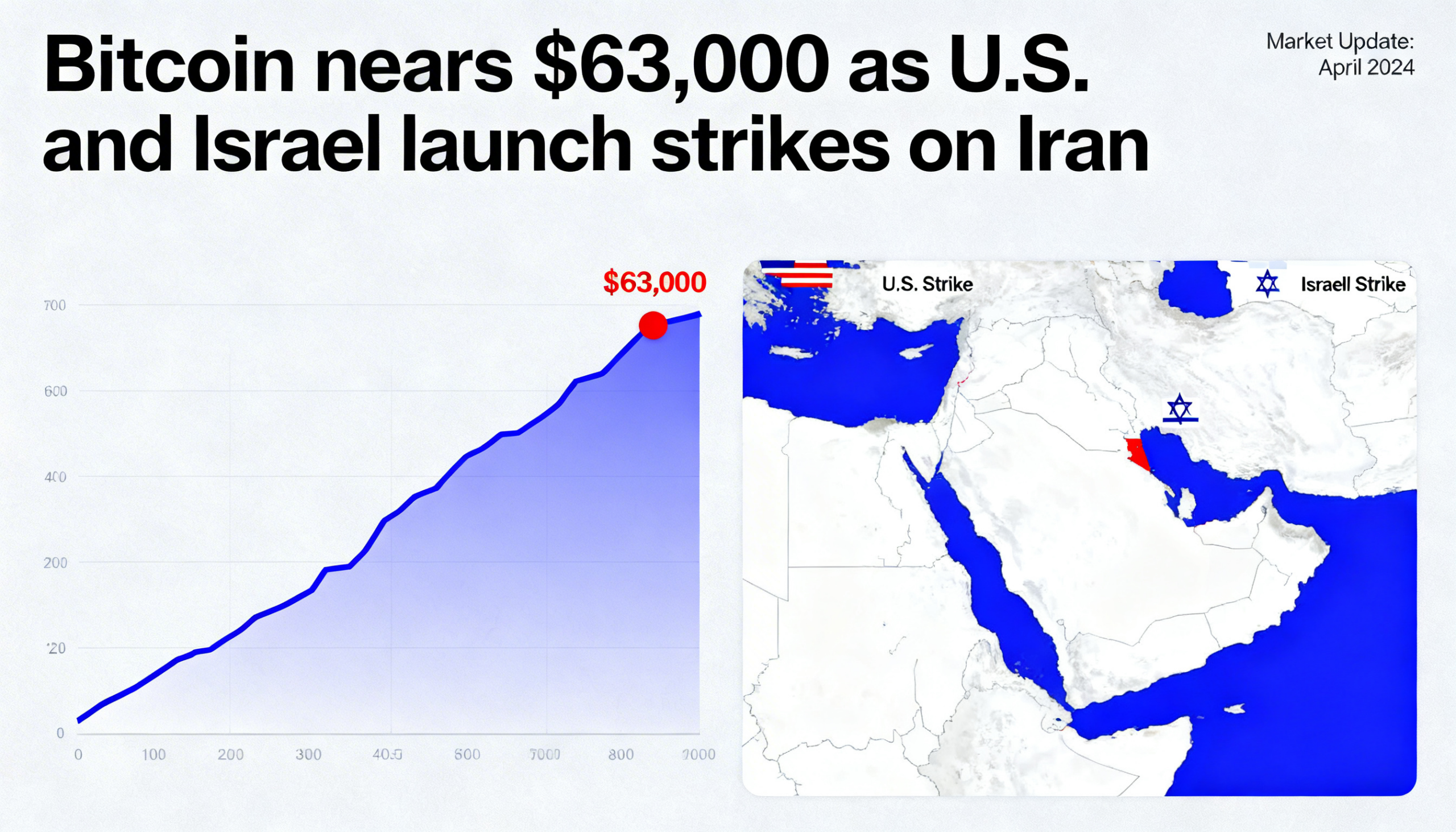
Earlier Saturday, bitcoin fell toward $63,000 after the U.S. and Israel carried out military strikes on Iran, pushing the asset down roughly 3% within a few hours. The drop marked its lowest level since the Feb. 5 downturn, when prices briefly fell below $60,000.
Israeli Defense Minister Israel Katz declared an immediate nationwide state of emergency. A U.S. official confirmed American involvement in the strikes, according to The Wall Street Journal.
The reaction follows a well-established pattern. With stock and bond markets closed over the weekend, bitcoin serves as one of the only highly liquid outlets for investors seeking to reduce exposure during sudden geopolitical flare-ups.
As a result, the cryptocurrency often acts as a release valve for broader risk-off sentiment, absorbing flows that might otherwise impact equities, commodities, or currencies if those markets were open. The latest escalation raises the possibility of a wider regional conflict in a strategically vital area, following weeks of U.S. military buildup and stalled negotiations over Iran’s nuclear program.