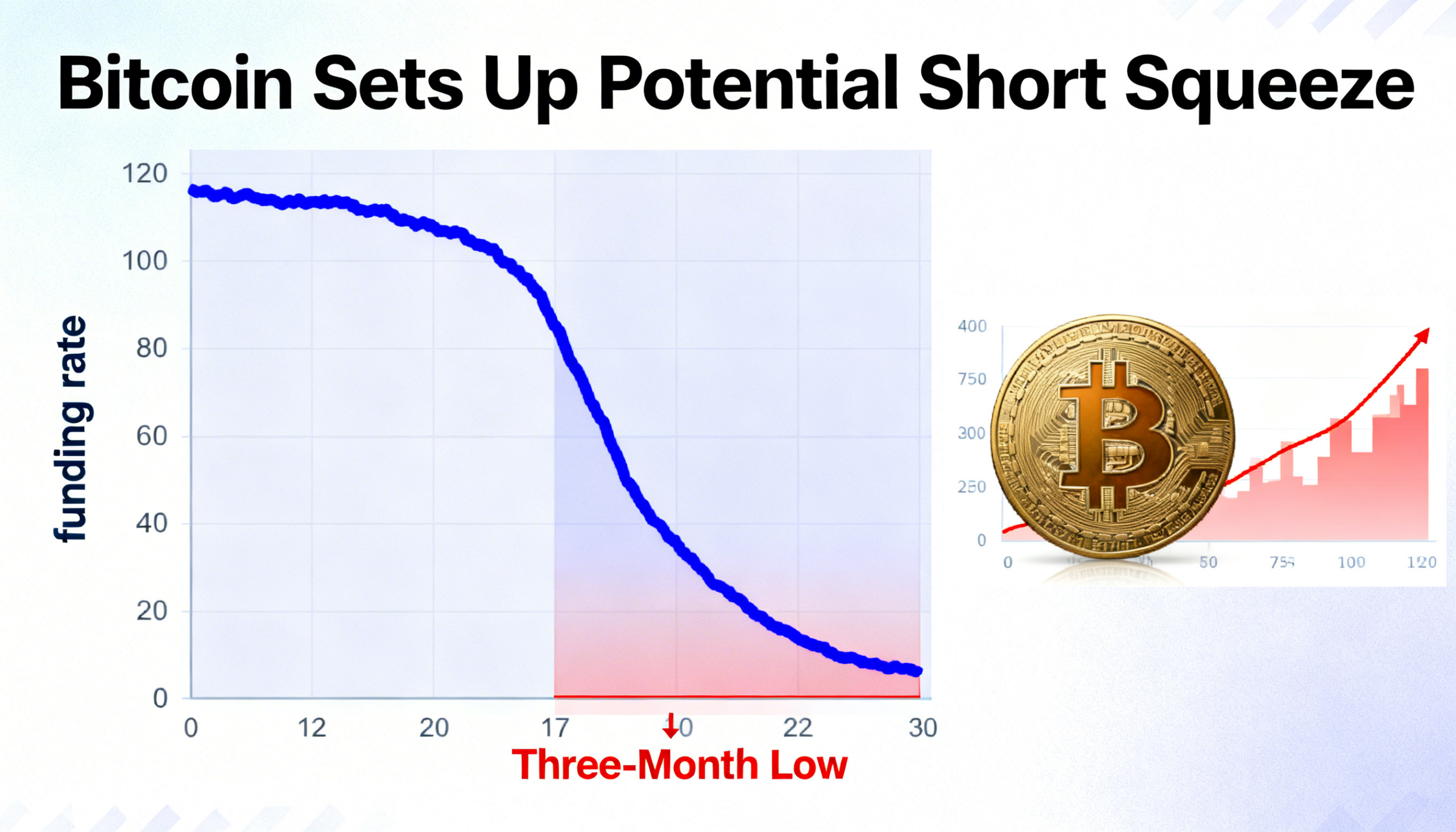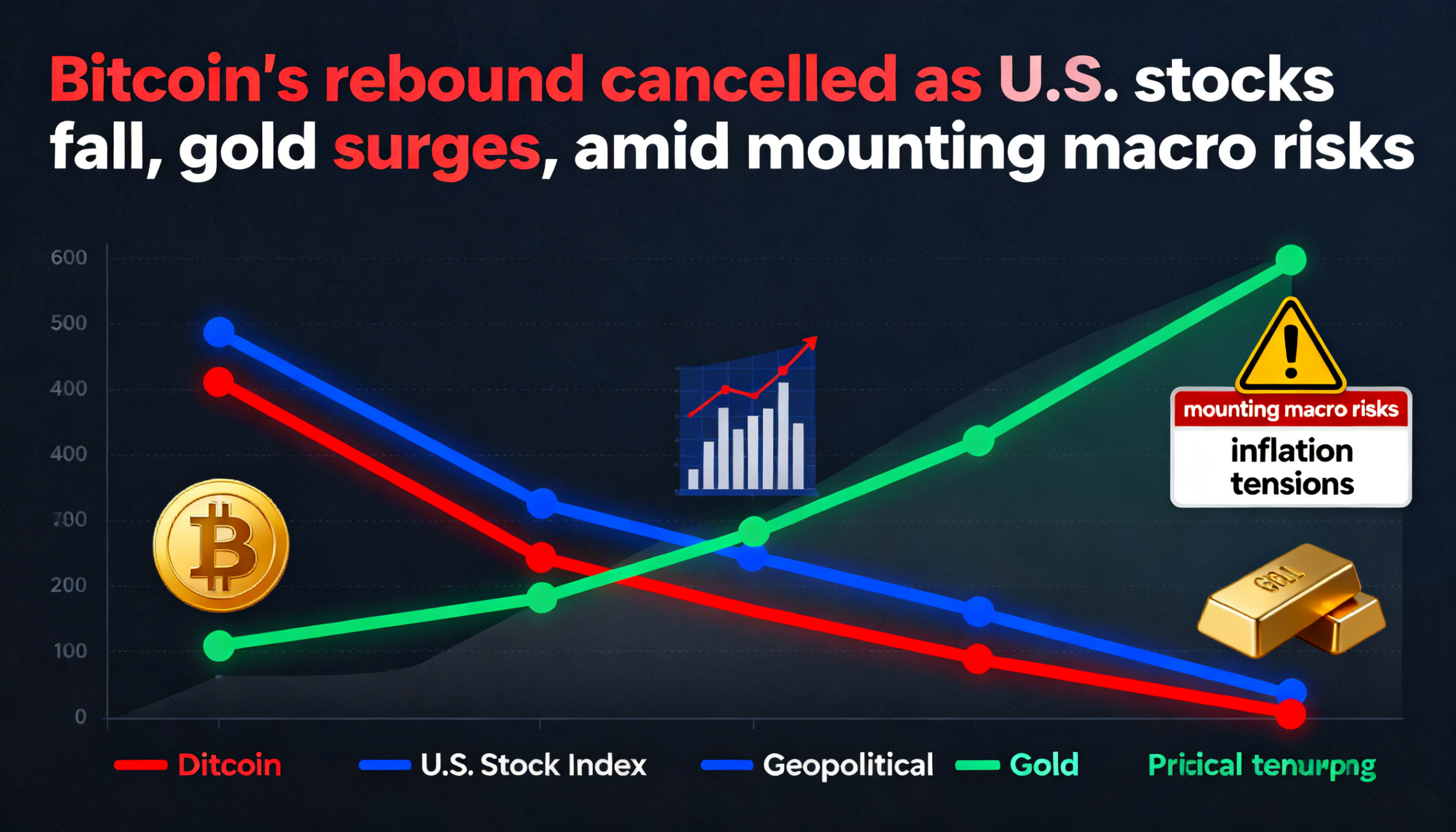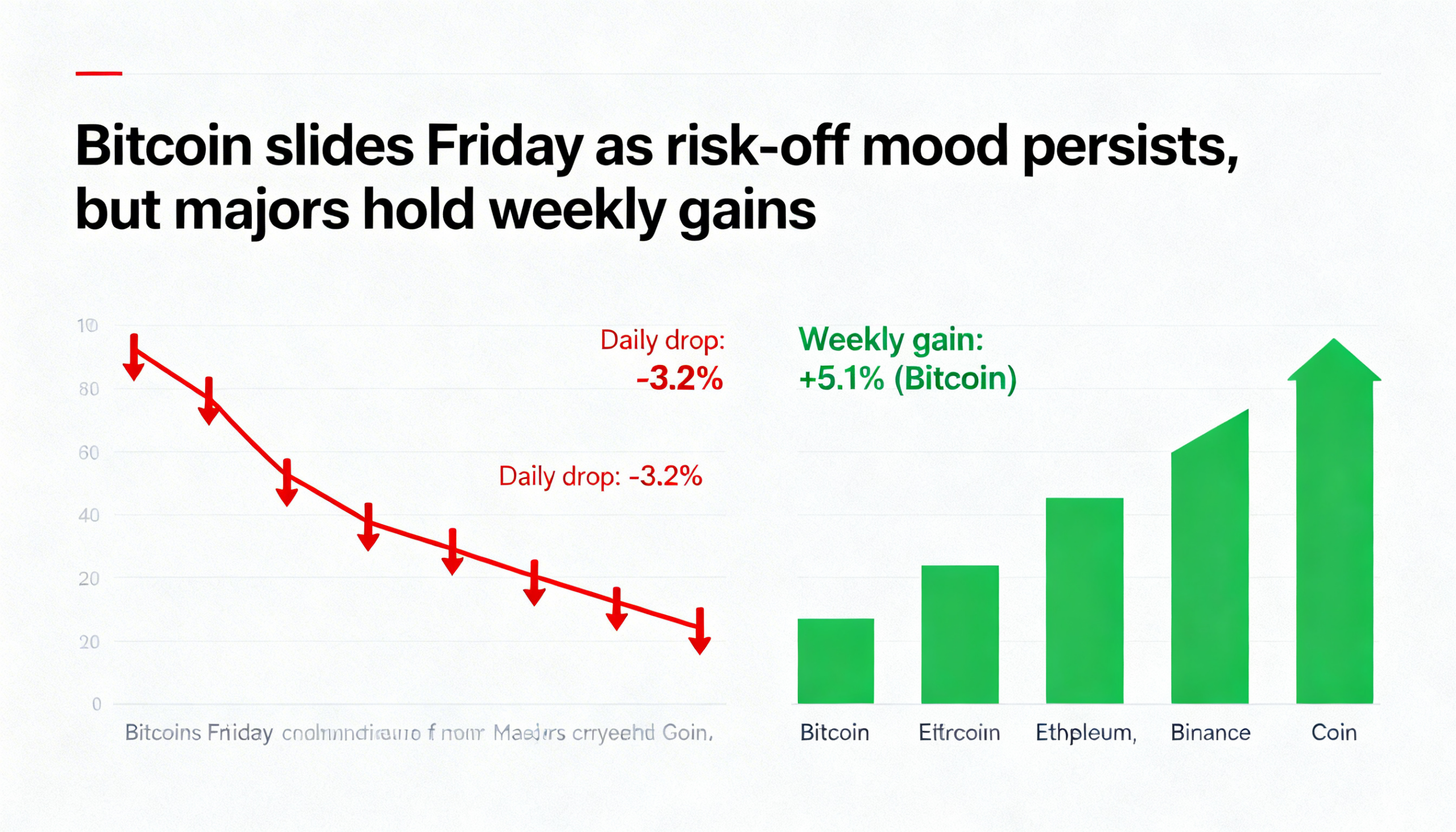
Bitcoin (BTC) bounced back above $89,000 in early U.S. trading Wednesday, recovering from a drop to $87,000 the previous day. Market data suggests the move is driven by short-covering rather than new long positions.
The rally is notable given Bitcoin’s recent U.S. trading trend, with Velo data showing roughly a 20% cumulative decline during American sessions over the past month. Coinglass reports that BTC open interest fell from 514,000 to 511,000 since the market opened, signaling traders are closing shorts rather than adding leveraged longs.
Crypto equities—including Coinbase (COIN), Robinhood (HOOD), and Circle (CRCL)—were largely flat, tracking muted moves in the S&P 500 and Nasdaq. Wintermute strategist Jasper de Mare cited year-end de-risking, ETF outflows, and thin holiday liquidity as reasons for the subdued market.
All major crypto assets remain below key systematic levels, with price action driven by rollover flows and tax-related positioning. Spot Bitcoin ETFs recorded $19.3 million in net outflows on Monday, the seventh consecutive day of redemptions. Mid-December saw $1.29 billion leave Bitcoin funds, including $157 million from BlackRock’s IBIT. While IBIT has totaled $25 billion in inflows year-to-date, December’s withdrawals likely reflect tax-loss harvesting. Altcoins, largely exempt from IRS wash-sale rules, have avoided similar pressure.
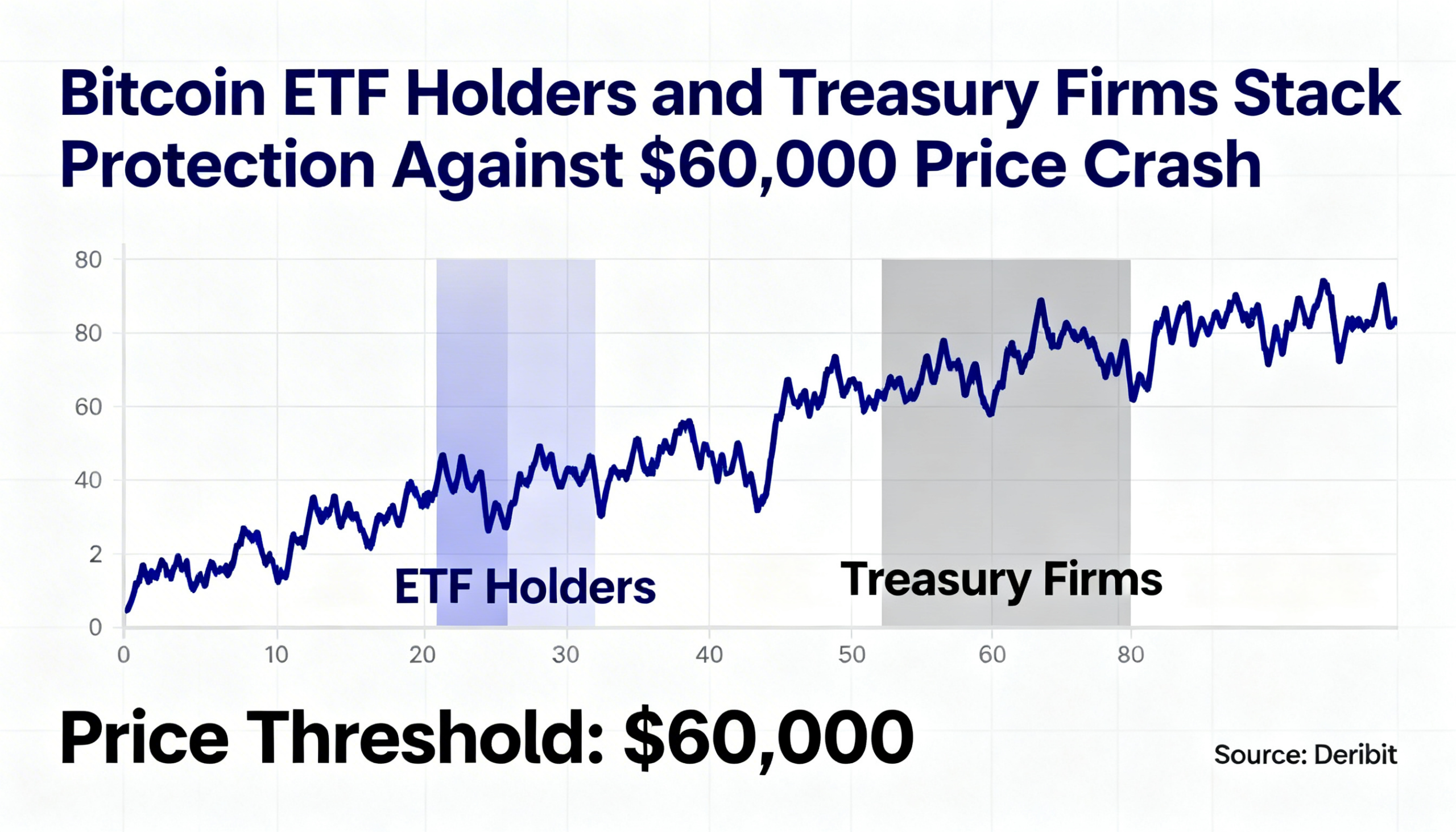
Derivatives markets mirrored caution, with over $27 billion in BTC and ETH options expiring Dec. 26—the largest single-day expiry in crypto history, per Deribit. Funding rates and open interest, which peaked at $70 billion in June, have steadily declined heading into year-end.
Bitcoin’s seven-day realized volatility fell sharply into Dec. 25 but is rising again amid erratic intraday swings. De Mare warned traders against relying too heavily on short-term signals until institutional flows return in early January.