Digital asset markets extended their recent pattern of volatility on Tuesday, tumbling alongside U.S. equities at the open before staging a swift rebound.
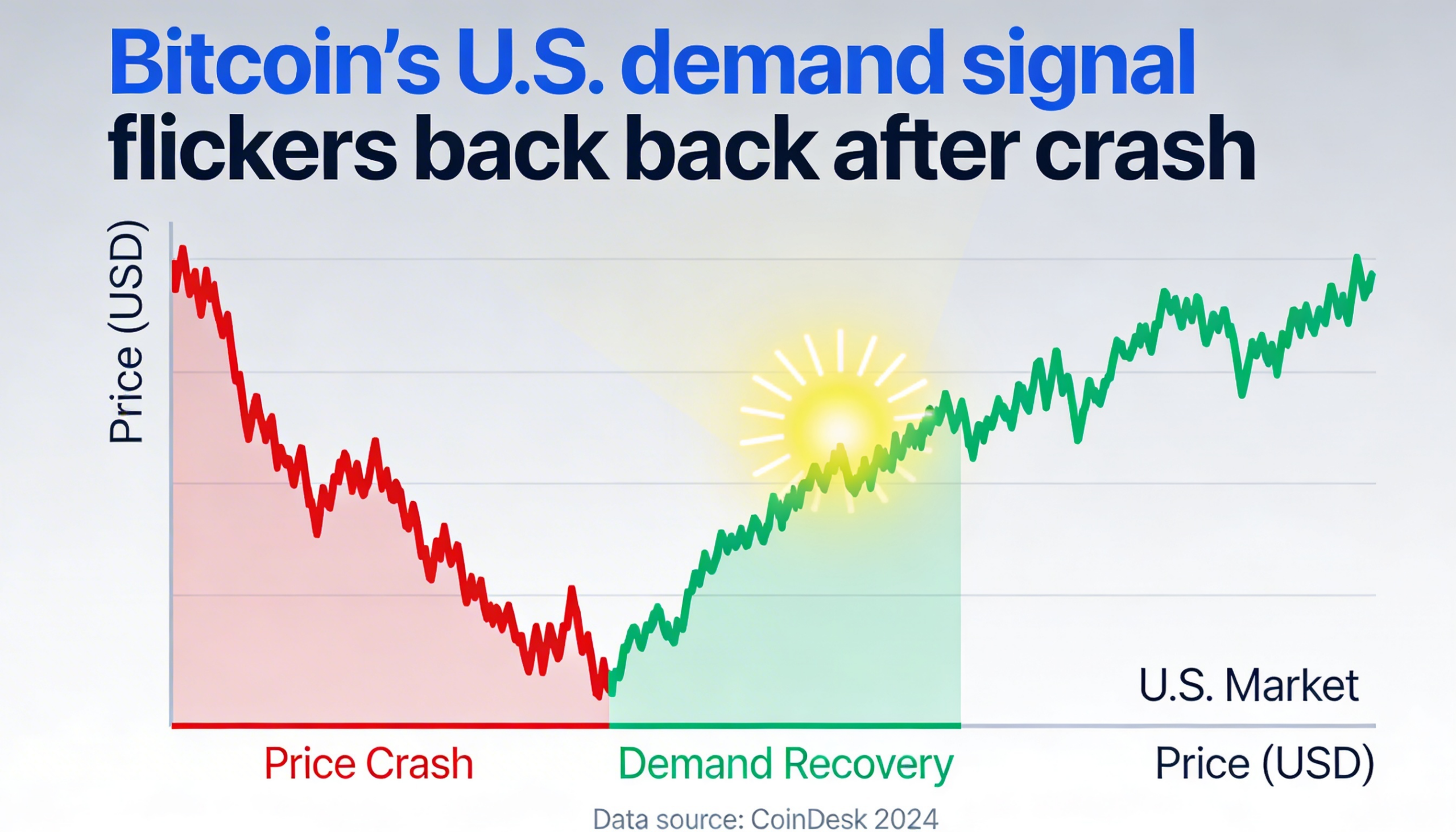
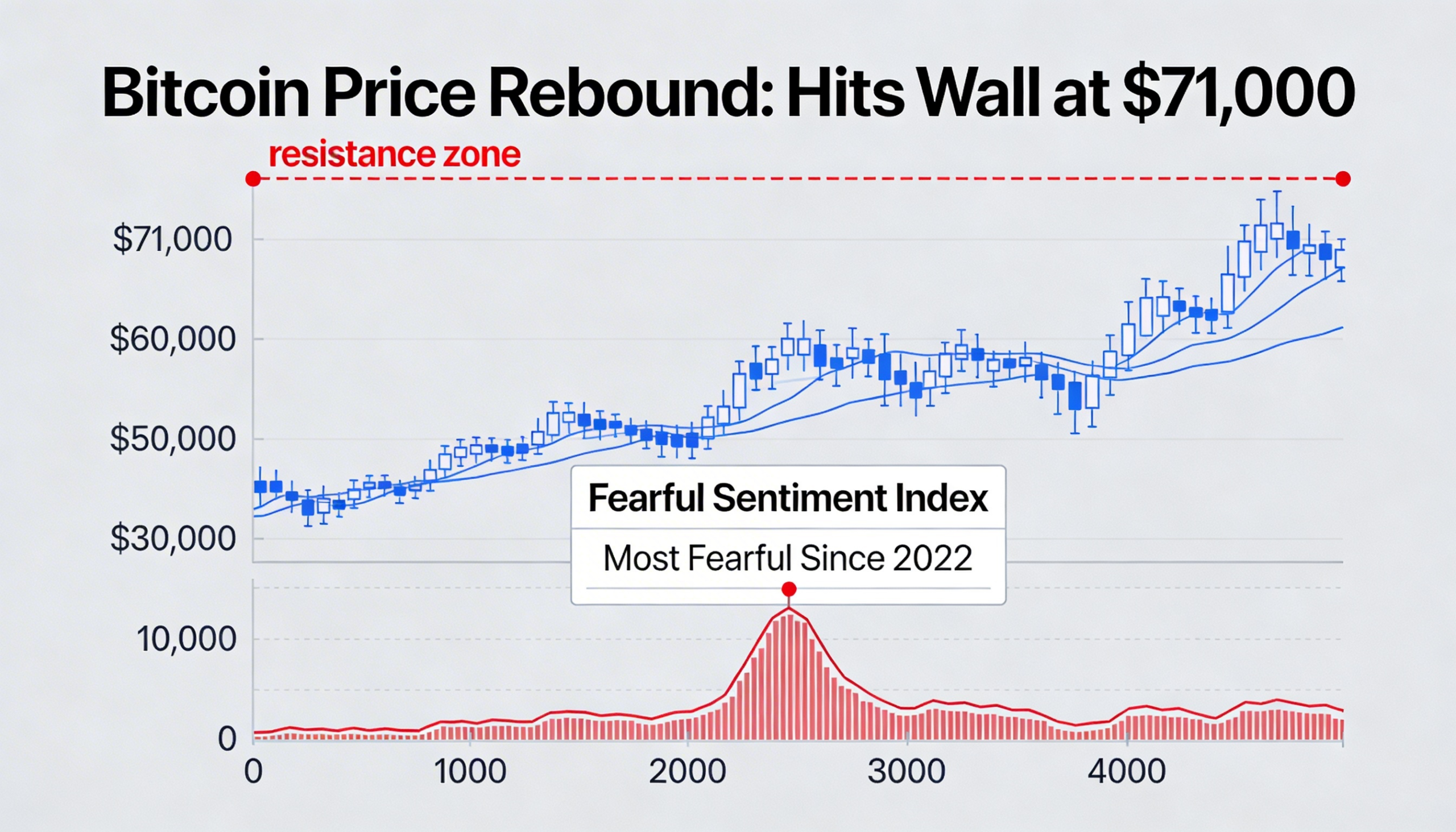
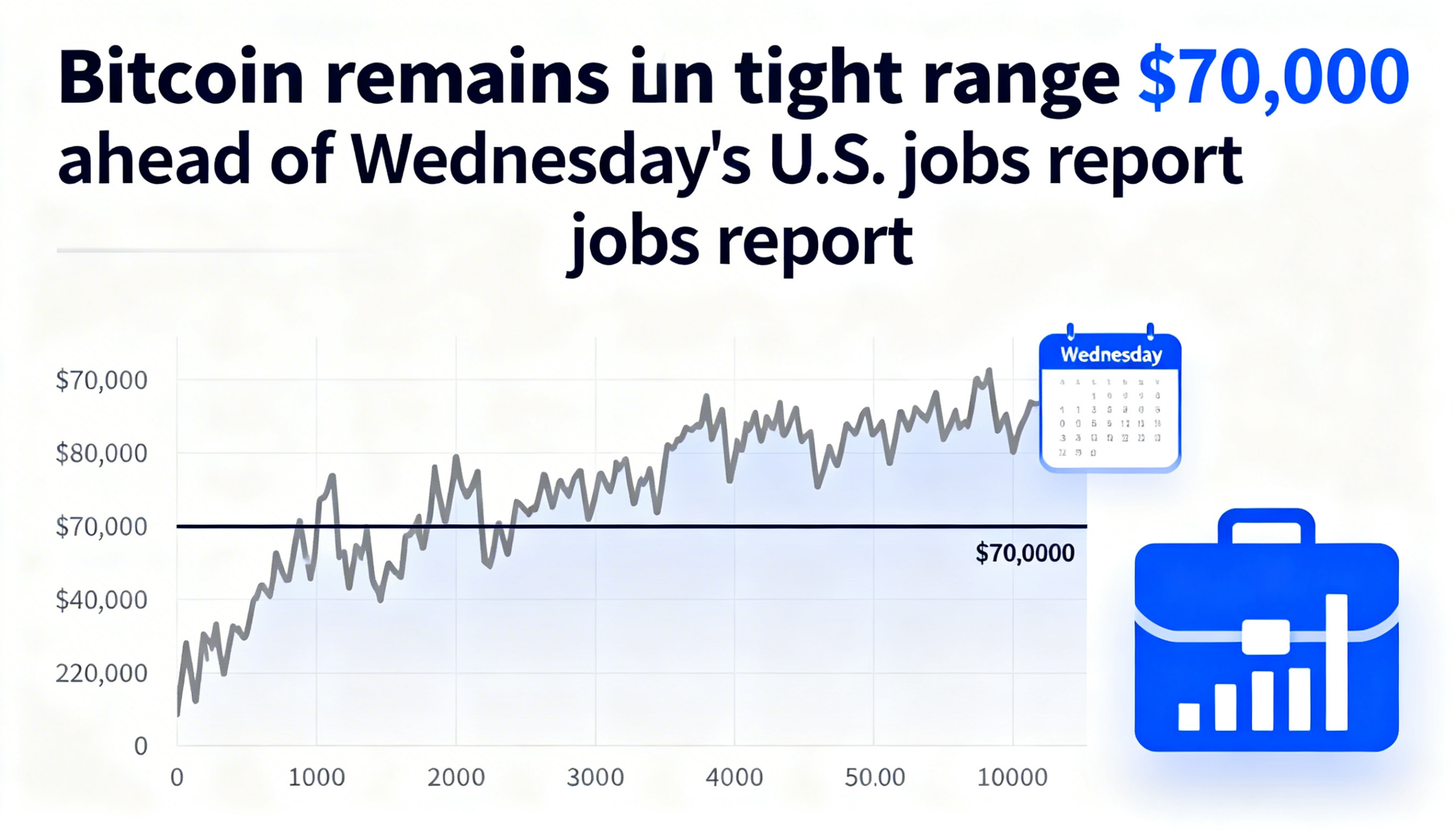
Bitcoin briefly moved lower but recovered to trade near $69,200 by late morning, roughly flat on a 24-hour basis. Ether lagged with a deeper pullback, while XRP and Solana posted comparable declines.
Despite the current correction being bitcoin’s most pronounced since the 2024 halving event, selling pressure has not been accompanied by elevated turnover. Market data from Kaiko shows trading volumes remain relatively subdued, signaling that retail participants may be opting to sit out the turbulence rather than liquidate holdings.
Analysts warn that price action is approaching technically significant levels. Kaiko research analyst Laurens Fraussen said bitcoin is testing support zones that could prove pivotal in preserving its traditional four-year market cycle structure. A decisive break below those thresholds would challenge that long-standing narrative.
Market structure suggests derivatives are playing an outsized role in recent swings. Trading firm Wintermute said leverage in perpetual futures markets has been the primary driver of volatility, with thin spot market activity leaving prices especially sensitive to positioning imbalances. The firm described last week’s sharp rebound as a short squeeze, adding that the sudden spike in volatility caught traders off guard after weeks of relative calm.
Investors are now focused on Wednesday’s release of the January Nonfarm Payrolls report, which was postponed due to last month’s temporary federal government shutdown. Economists expect job growth of approximately 70,000, up from December’s 50,000 increase, while the unemployment rate is projected to remain steady at 4.4%.
However, Trump administration officials have signaled that the data may underperform consensus forecasts. White House trade counselor Peter Navarro suggested markets should brace for weaker figures, echoing comments from economic adviser Kevin Hassett, who advised against overreacting to a soft report.
The bond market appears to be pricing in that risk. The yield on the 10-year U.S. Treasury slipped about 5 basis points to 4.14%, reflecting a bid for government debt and expectations of a potentially softer economic backdrop.
Traditionally, declining yields and the prospect of easier Federal Reserve policy would support risk assets such as bitcoin. Yet this cycle has diverged from historical patterns. Even after the Fed implemented roughly 75 basis points of rate cuts in recent months, bitcoin has struggled to regain sustained upward momentum, underscoring how leverage dynamics and broader risk sentiment continue to shape crypto market behavior.