Bitcoin Drops as Iran Strike Reports and Crypto Hacks Trigger Renewed Market Sell-Off
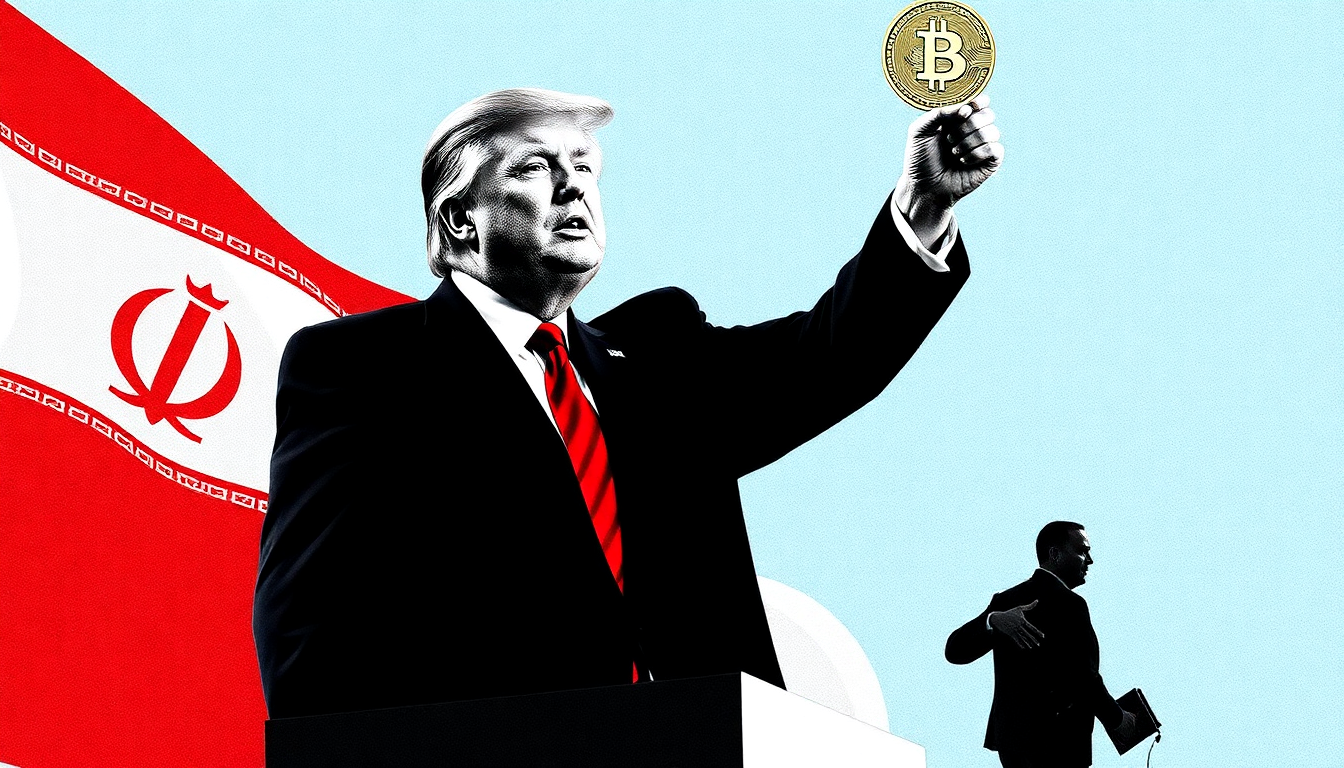
Bitcoin faced another wave of selling as reports of US military action against Iran reignited geopolitical concerns while a series of cryptocurrency hacks continued to shake investor confidence. Reports of strikes on Qeshm Island raised fears about possible disruptions to global energy supplies, adding pressure to an already fragile digital asset market.
The latest decline comes as crypto sentiment remains weak, exchange-traded fund flows have softened and uncertainty across global markets continues to weigh on investors. Bitcoin is now dealing with a combination of international tensions and security concerns originating within the crypto industry.
The reported US strikes have added uncertainty to an eight-month conflict that has disrupted shipping through the Strait of Hormuz. Energy markets reacted to the developments, with Brent crude trading near $105 per barrel.
Iran Escalation Raises Oil Supply and Inflation Concerns
Geopolitical risks intensified after reports emerged that US forces had targeted Qeshm Island, which sits near the Strait of Hormuz. US officials described the strikes as defensive, but the operation could further complicate diplomatic efforts between Washington and Tehran.
Although discussions aimed at ending the conflict have continued, neither side has secured a significant breakthrough.
The Strait of Hormuz remains a major concern for investors because of its role in global energy transportation. Around 20% of worldwide oil and natural gas supplies have historically passed through the waterway. Any further disruption could restrict shipments, increase energy costs and create fresh inflationary pressure.
Higher crude prices could also complicate monetary policy decisions. Central banks may find it harder to ease financial conditions if energy-driven inflation accelerates. This could put additional pressure on volatile investments such as Bitcoin as traders shift toward cash and less risky assets.
Asian stock markets also moved lower as investors assessed the Iran situation, weakness in technology shares and uncertainty surrounding the US midterm elections. Reuters reported that MSCI’s Asia-Pacific index excluding Japan declined 1.4%, while South Korean equities dropped as much as 4.1%.
Bitcoin has struggled to attract defensive buying during the latest period of uncertainty. Instead of behaving like a safe-haven asset, BTC has continued to track broader risk-market sentiment.
Crypto Hacks Add Another Layer of Market Uncertainty
The geopolitical developments come while the digital asset industry is still dealing with the consequences of a major Binance security breach involving approximately $6.3 billion in crypto assets.
The incident prompted customers to withdraw billions of dollars from the exchange, raising concerns about the safety of centralized trading platforms.
Binance said it would cover the losses, and withdrawal activity later began to stabilize. However, the scale of the incident has created another challenge for an industry already struggling with weak investor confidence.
Other crypto platforms have also faced security-related incidents. Mercado Bitcoin disclosed a breach involving customer-related systems, while Polymarket reported unauthorized withdrawals after a third-party provider was compromised.
These incidents have highlighted risks extending beyond exchanges to include wallets, external service providers and infrastructure supporting crypto applications.
Recent security reports have also identified attacks involving outdated BTCPay Server installations and a vulnerable WordPress plugin used for cryptocurrency payment processing.
The repeated breaches could make it harder for the market to attract new investment. Investors may choose to transfer funds into self-custody wallets or reduce their exposure to crypto platforms until security standards improve.
For a market that needs fresh capital and stronger participation to sustain a recovery, another wave of security failures could have lasting consequences.
Can BTC Rebound as Geopolitical and Security Risks Persist?
Bitcoin’s near-term outlook will depend on how the Iran situation develops and whether the crypto industry can prevent further security incidents.
Progress toward a diplomatic agreement between the US and Iran could ease concerns about energy supplies and improve demand for risk assets. However, additional escalation near the Strait of Hormuz could push oil prices higher, intensify inflation worries and trigger further losses across traditional and digital markets.
Investors will also be watching whether the Binance incident and other recent breaches lead to a wider movement of capital away from crypto platforms. Exchange withdrawals and additional security disclosures could offer important signals about market confidence.
Bitcoin is therefore facing pressure from two separate directions. A prolonged geopolitical crisis could weaken broader financial markets, while continued hacking incidents could undermine confidence in the digital asset industry’s infrastructure.
If both risks remain elevated, BTC’s recovery could face another setback. A cooling of international tensions and limited further damage from the security breaches may, however, create conditions for buyers to return.
Tether’s 150,000 BTC Position Strengthens Its Corporate Treasury Ranking
Tether has revealed that its Bitcoin reserves have grown to approximately 150,000 BTC, making the stablecoin issuer one of the largest corporate holders of the cryptocurrency.
CEO Paolo Ardoino disclosed the figure during a keynote presentation at the Plan ₿ Forum in Lugano, Switzerland, on November 3. The holdings were worth approximately $11.5 billion at the prevailing Bitcoin price.
The announcement places Tether behind Strategy among major corporate Bitcoin treasury holders. It also highlights the company’s approach of converting a portion of its operating profits into BTC.
Tether first announced its Bitcoin accumulation policy in May 2023, when it committed to allocating up to 15% of its net realized operating profits toward Bitcoin purchases.
Consensys Introduces New Network for Institutional Blockchain Settlements
Consensys has launched an institutional settlement network aimed at banks, asset managers and financial market infrastructure providers, highlighting its expanding focus on traditional finance.
The announcement comes ahead of the company’s planned separation from MetaMask, raising questions about the wallet’s future as Consensys develops services for institutional customers.
The new initiative, Sovereign Network Interoperability, was introduced at Devcon. It is designed to coordinate transactions across independently operated financial networks and support interoperability between institutional blockchain systems.
The launch signals a broader push by Consensys into financial infrastructure as MetaMask prepares for a separate operating path.
Zcash Plans Faster Transactions Through November 5 Upgrade
Zcash is preparing to introduce its NU7 network upgrade, which is expected to reduce block times and improve transaction speed. The technical development comes as the project faces governance disagreements and continued weakness in its token price.
The upgrade is scheduled for November 5 and will cut target block times from 75 seconds to 25 seconds. According to the deployment schedule, activation is planned for block height 3,543,405.
The changes are designed to make transaction confirmations faster. However, the upgrade arrives amid debate over the community-grants funding system, leaving investors to consider both the network’s technical progress and its governance challenges.
Vitalik Buterin’s Devcon Costume Draws Attention as Bitmine Adds 8,573 ETH
Ethereum co-founder Vitalik Buterin surprised attendees at Devcon 8 in Mumbai with an unusual stage appearance featuring a green cloak and a smiling mask.
While Buterin’s costume provided a lighter moment at the developer gathering, Bitmine Immersion Technologies continued its aggressive Ethereum accumulation strategy.
The company purchased another 8,573 ETH, bringing its reported holdings to 6,060,506 ETH as of November 1. At an ETH price of $2,261, the treasury was valued at approximately $13.7 billion.
Bitmine now holds around 4.9% of Ethereum’s total supply and is approaching its target of accumulating 5%.
US Midterm Elections Put Crypto Regulation and Stimulus Plans in Focus
The November 3 US midterm elections could influence the policy environment surrounding cryptocurrencies, with potential consequences for regulation, government spending and broader investor sentiment.
Republicans are seeking to retain control of Congress, while Democrats are aiming to regain power in at least one chamber. The results could determine how easily President Donald Trump can advance his economic and legislative priorities.
Three issues are drawing particular attention from crypto investors: Trump’s proposed $5,000 stimulus dividend, the outlook for stalled cryptocurrency legislation and escalating tensions involving Iran.
Although the election outcome may not immediately alter crypto market fundamentals, it could reshape expectations for liquidity, regulatory clarity and the broader financial environment.