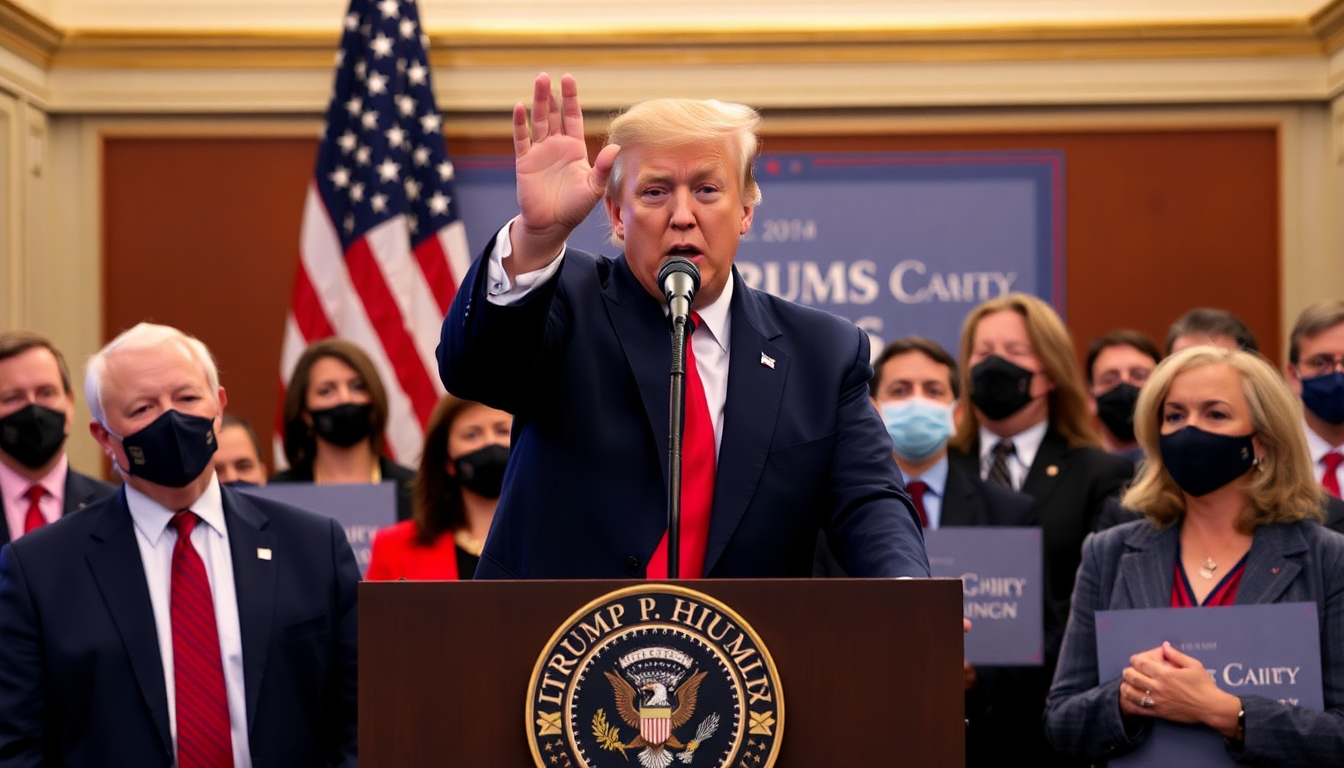
Senator Cynthia Lummis said Democrats’ opposition to President Donald Trump played a major role in the Senate’s failure to advance the Clarity Act, arguing that the crypto industry should “pin it on the Democrats.”
Speaking Tuesday at CoinDesk’s Policy & Regulation event in Washington, D.C., Lummis said she was “dismayed, dumbfounded and saddened” by last week’s failed procedural vote on the crypto market structure bill.
Lummis said the legislation had been built through bipartisan negotiations but argued that Democratic lawmakers ultimately allowed their opposition to Trump to outweigh their support for the policy.
In her view, Democrats “hate President [Donald] Trump more than they like good policy,” and their decision prevented lawmakers from advancing the legislation ahead of the midterm elections.
The Clarity Act was designed to establish clearer regulatory responsibilities for the Securities and Exchange Commission and Commodity Futures Trading Commission, including oversight of crypto spot markets.
The Senate procedural vote failed after every Democrat and three Republicans voted against the measure. Senator Thom Tillis, who was the fourth Republican involved, switched his vote to “no” at the last minute for procedural reasons.
Lummis described the legislation as a bipartisan effort that expanded substantially during negotiations. The bill grew from about 300 pages to more than 600 pages after Democrats pushed for additional provisions, including bankruptcy protections.
She rejected attempts to attribute the failed vote to individual industry figures or crypto companies, citing criticism directed at Coinbase CEO Brian Armstrong and the broader industry. She also pointed to Trump’s cryptocurrency activities as part of the political debate surrounding the bill.
Trump disclosed in a 2026 mid-year financial filing that his various crypto ventures generated $1.4 billion in 2025, his first year in office.
Despite her criticism of Democrats as a group, Lummis praised Senators Angela Alsobrooks and Kirsten Gillibrand for acting as “honest brokers” during negotiations. Gillibrand has worked with Lummis on cryptocurrency legislation for years.
House lawmakers discuss next steps
House Financial Services Committee Chairman French Hill and Congressman Ritchie Torres separately addressed the Senate’s failure to advance Clarity.
Both lawmakers said legislation addressing crypto market structure remains necessary, although they offered different perspectives on the political obstacles.
Hill said Clarity would establish statutory certainty around issues including the Howey test, fundraising and the treatment of software developers. He urged lawmakers to focus on developing a bipartisan path forward rather than dwelling on the failed cloture vote.
Torres said Trump’s involvement in the crypto industry made the legislation more politically difficult for Democrats to support.
He argued that the bill might have attracted support from both parties without Trump’s involvement in crypto, while acknowledging that the Senate vote had multiple causes. Torres specifically pointed to Trump’s personal memecoin as a political complication.
Hill agreed that the memecoin “absolutely did poison the well of the debate” among Democrats. However, he noted that Trump’s memecoin was already part of the political landscape last year, when Congress advanced the GENIUS Act with bipartisan support and the House passed its version of the Clarity Act.
Hill said the post-midterm political environment could provide another opportunity for lawmakers to work together. He argued that Congress would need bipartisan cooperation if it wants to establish rules governing presidential conduct involving crypto or create broader regulatory standards for the industry.
Torres said the legislation should remain focused on market regulation, fair and orderly markets and protections for consumers and investors. If the debate instead centers on the most polarizing figure in U.S. politics, he said, the nature of the discussion changes.