XRP slipped about 5% last week, falling behind the broader crypto market as Bitcoin, Ether and Solana all posted gains.
The payments-oriented token dropped to around $1.03, while BTC, ETH and SOL advanced between 1% and 4%. The total crypto market capitalization increased 1.4% to roughly $2.19 trillion, with XRP continuing to trade near $1.03.
The decline stands out because XRP ETFs continued to record net inflows for a fourth consecutive week. However, investor demand weakened considerably, with weekly inflows plunging approximately 93% to about $1 million, according to SoSoValue. Bitcoin and Ether ETFs, by contrast, attracted hundreds of millions of dollars.
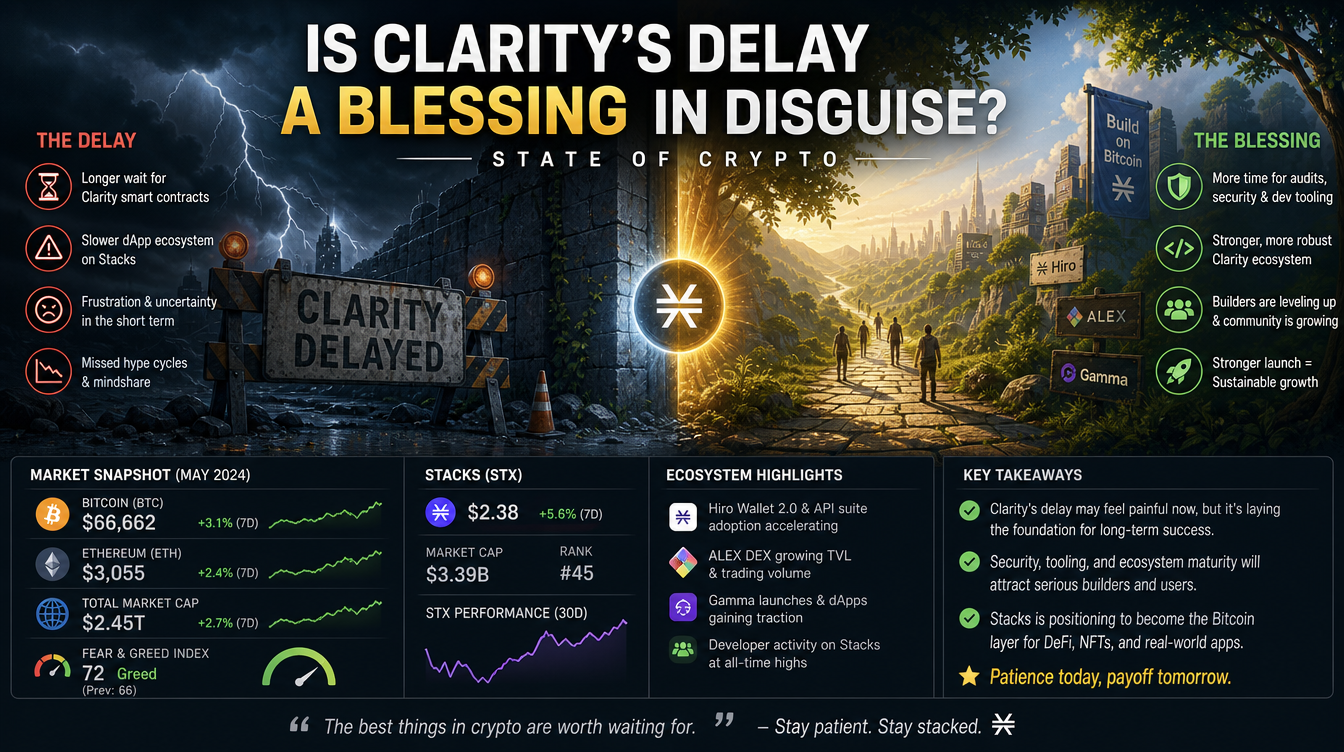
Market participants and analysts have pointed to several possible reasons for XRP’s muted performance. Regulatory uncertainty remains a key factor, particularly following the U.S. Senate’s decision to delay consideration of the CLARITY Act. The bill is viewed by many as important for establishing clearer rules around XRP and encouraging greater institutional involvement. A Senate vote is unlikely before at least mid-September.
ETF flow data currently suggests a relatively balanced market.
Iliya Kalchev, an analyst at Nexo, said XRP’s market positioning appears cautious, with large order flows continuing even as trading-volume indicators become more neutral. He described the activity as “quiet absorption” rather than panic selling or evidence of a confirmed breakout.
Despite XRP’s recent underperformance, some market participants remain bullish on its long-term prospects.
Jake Claver, a qualified family office professional and chairman of Digital Ascension Group, believes XRP could eventually play a structural role in international finance.
Claver said XRP increasingly appears positioned to become a global bridge asset and could potentially receive a tier-one classification from the Bank for International Settlements (BIS), which uses the category for highly liquid and stable assets that banks can hold.