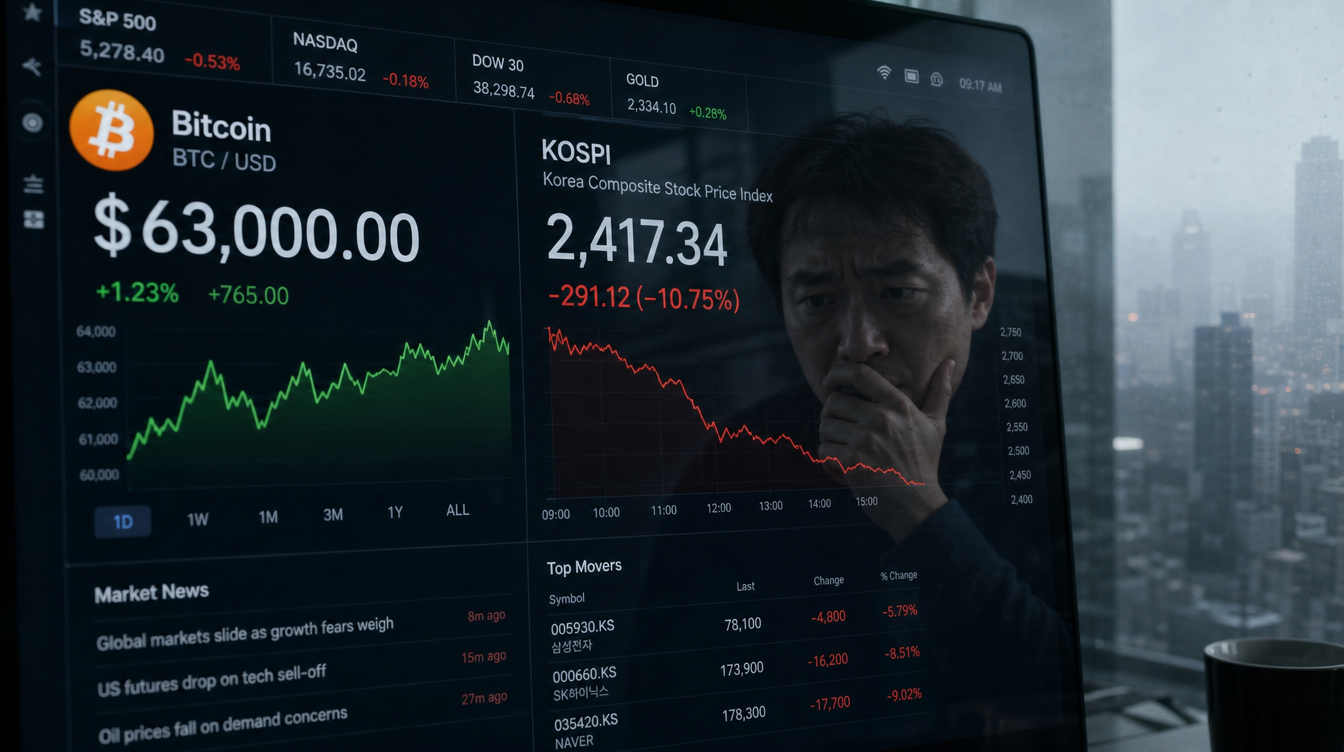
Markets entered a risk-off phase, but Bitcoin has remained relatively steady compared with the Nasdaq and several major Asian stock indexes.
Ionic Digital, the former Celsius mining operation, starts Nasdaq trading
Ionic Digital, the Bitcoin mining company formed from the assets of bankrupt Celsius and its former CEO Alex Mashinsky’s jailed crypto empire, begins trading on the Nasdaq today through a direct listing with a reference price of $53.
Amid the current market conditions, Ionic is presenting itself less as a traditional crypto miner and more as a digital infrastructure provider focused on supporting the rising power requirements of artificial intelligence and high-performance computing.
The company still operates Bitcoin mining facilities and maintains a small BTC reserve as part of its business strategy.
Galaxy Digital expands Texas data center plans
Galaxy Digital, founded by Mike Novogratz, announced a new development agreement and the purchase of 500 acres in McGregor, Texas, as it continues expanding its data center operations.
The first stage of the project is expected to provide 74 megawatts of capacity.
“This is exactly the multi-campus strategy we’ve been discussing,” Novogratz said, explaining that growing demand for computing power represents a long-term industry shift and that Galaxy is positioning itself to meet that need.
Galaxy shares were down 3% in pre-market trading as continued weakness in AI-related investments weighed on data center companies.
Bitcoin slips toward $63,000 as South Korea’s Kospi suffers major decline
Bitcoin fell back toward $63,000 as semiconductor stocks continued to struggle, with South Korea’s largest chipmakers Samsung and SK Hynix driving a sharp selloff in the Kospi index.
The South Korean benchmark dropped 10.8% overnight and has now fallen 34% from its peak reached a month ago.
Additional pressure came from concerns about China’s expanding semiconductor capabilities. Reports suggested a Beijing-backed company has begun producing deep ultraviolet (DUV) lithography machines, a technology similar to equipment made by Netherlands-based ASML. ASML shares declined 5.8% on Monday and lost another 4.7% in pre-market trading.
While crypto markets had previously shown limited reaction to weakness in the chip sector, Bitcoin eventually moved lower alongside Asian equities. BTC was down more than 2% over 24 hours, trading near $63,400.
Major altcoins also faced pressure, with Ethereum, XRP, and Solana falling between 3% and 4%.
Market attention is now centered on the Federal Reserve’s two-day policy meeting, with investors divided over whether officials will raise interest rates at Wednesday’s decision.
$68,500 emerges as Bitcoin’s critical resistance level
Bitfinex analysts identified the $68,500 level as the key price zone to watch ahead of the Fed announcement.
The level represents the average cost basis for short-term holders who have owned Bitcoin for less than 155 days and could determine the cryptocurrency’s near-term direction.
According to Bitfinex analysts, Bitcoin may face strong resistance around $68,500 because many investors could sell once their positions return to breakeven.
However, a successful breakout above this threshold could create room for further gains, with volume analysis pointing toward the next major resistance level near $84,000. Analysts compared this setup to Bitcoin’s rapid move from approximately $67,000 to above $80,000 during the mid-May rally.
Bitcoin recovers from session lows despite equity weakness
Bitcoin regained some momentum after falling during the Asian trading session, even as risk sentiment continued to weaken across traditional markets.
BTC traded around $63,500 after recovering from an earlier low of $63,065, according to CoinDesk data. The cryptocurrency remained slightly lower on the day and was down nearly 3% over the previous 24 hours.
At the same time, Nasdaq futures dropped to their weakest level since May, falling to about 27,930 points. The contracts declined 1.2% for the week after reaching nearly 31,000 in June. Nvidia shares, a major driver of the index, dropped almost 5% on Monday.
South Korea’s Kospi led the broader market decline with a 10% plunge, while other Asian markets, including Japan’s Nikkei, also moved lower but recorded smaller losses.