Rewritten Version:
Rising Japanese bond yields are starting to weigh on Bitcoin, which had recently rallied about 8% in less than a week on shifting expectations around global interest rates.
Japan’s 10-year government bond yield has climbed to a 30-year high of 2.85%, up 18 basis points this month, pushing borrowing costs higher across other developed markets.
In the U.S., the 10-year Treasury yield has edged up toward 4.5%, while Germany’s 10-year bund is nearing 3% and the U.K.’s 10-year gilt is around 4.8%. Inflation-adjusted yields are also moving higher, reinforcing tighter financial conditions globally.
For years, Japan’s ultra-loose monetary policy—marked by near-zero rates and aggressive stimulus—helped keep global yields suppressed. This encouraged carry trades, where investors borrowed cheaply in yen and invested in higher-yielding assets elsewhere, indirectly holding down borrowing costs worldwide.
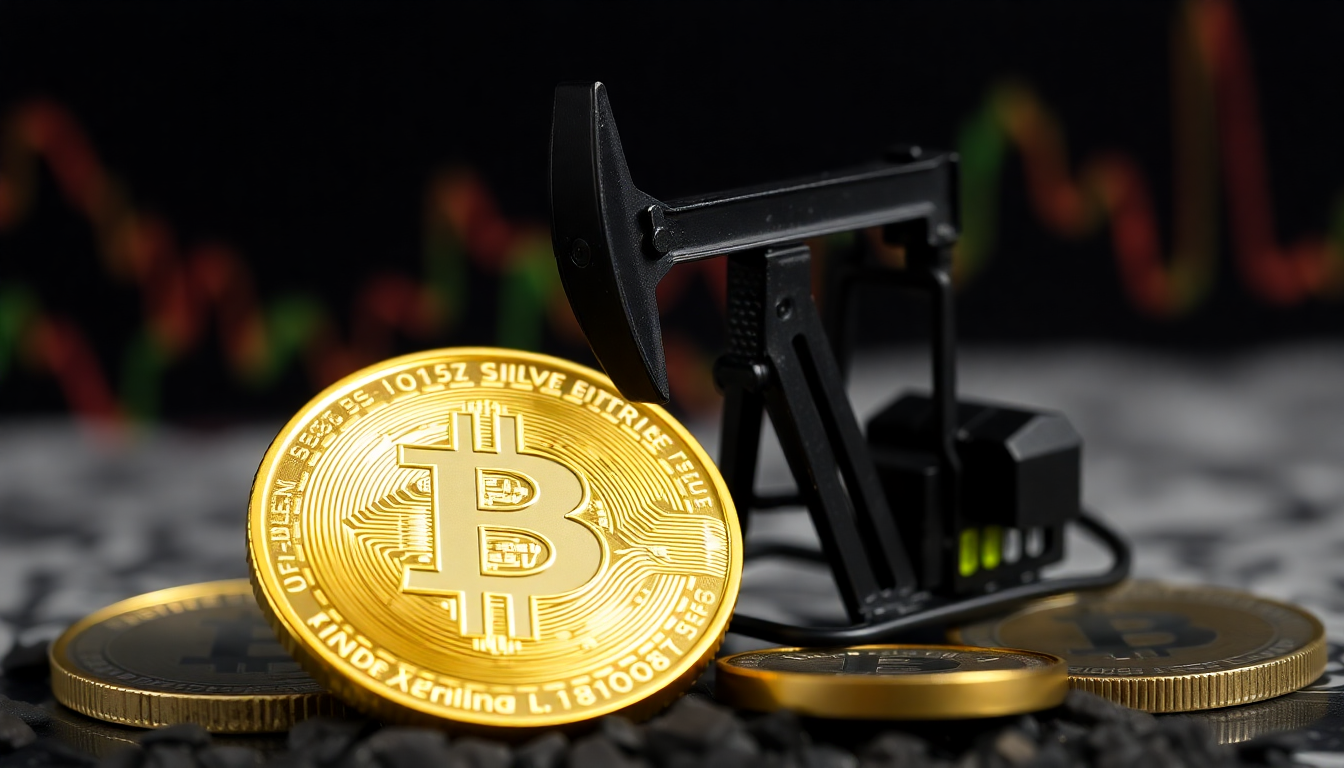
That dynamic matters for bitcoin because rising bond yields increase the opportunity cost of holding an asset that doesn’t generate income. Capital allocated to BTC misses out on the more stable returns available in fixed-income markets.
The recent surge in yields threatens to reverse the positive momentum sparked earlier this month, when traders scaled back expectations for further U.S. rate hikes.
That shift began on July 1, when Federal Reserve Chair Kevin Warsh indicated inflation risks had eased, followed by a weaker-than-expected U.S. jobs report showing significantly fewer additions to payrolls and a drop in labor force participation to a multi-year low of 61.5%.
Bitcoin found support near $58,000 at the start of the month and climbed toward $64,000 on the back of those developments. However, the renewed rise in global yields—led by Japan—could dampen that rebound.
Still, some remain confident. Goldman Sachs expects the yen to keep weakening and continues to favor carry trades funded in the Japanese currency.