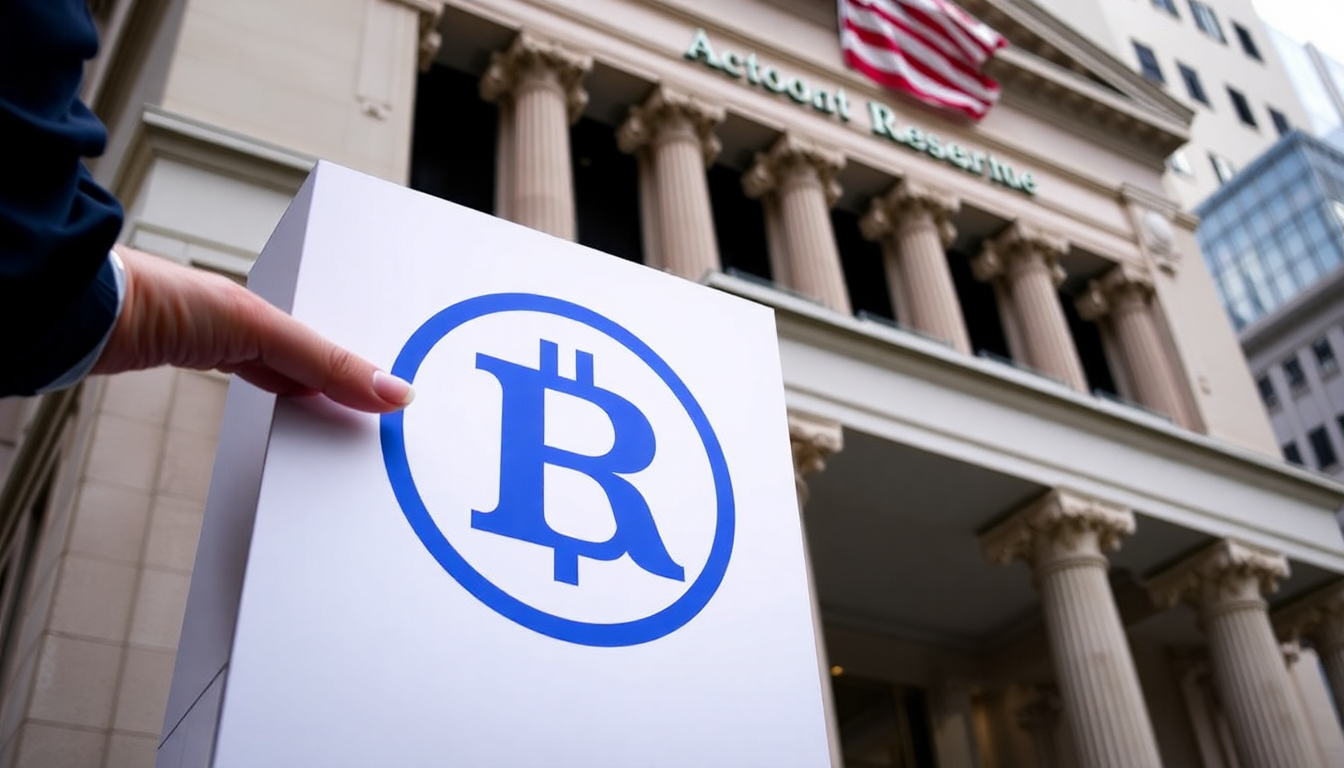
Not every exchange executive agrees, but the trend is clear: centralized crypto trading volumes have dropped more than 11% to $4.61 trillion, their lowest level since late 2024.
At the same time, the industry is undergoing a structural shift. Leading crypto exchanges are transforming into multi-asset platforms, erasing the traditional divide between digital assets and Wall Street.
OKX recently introduced 13 new “X-Perp” markets for European users, giving retail traders access to futures tied to “Magnificent 7” stocks, as well as commodities like gold, silver, and crude oil. It also rolled out perpetual products linked to major ETFs such as SPY and QQQ, allowing users to trade U.S. equity exposure around the clock.
This expansion is deliberate. Exchanges are broadening their offerings to keep capital within their ecosystems while meeting demand from traders seeking diversified exposure.
Kraken has followed suit, launching 24/7 perpetual futures on synthetic U.S. equities, offering up to 20x leverage for non-U.S. traders outside traditional market hours. Meanwhile, onchain platforms like Hyperliquid have moved aggressively into traditional finance, drawing increased attention from Wall Street.
Holding Capital On-Platform
The shift comes as exchange volumes fell to $4.61 trillion, according to CoinDesk Data’s April 2026 report. While retail participation has cooled, trading demand remains.
Behrin Naidoo, founder of Neutral DeFi Protocol, argues the issue is not interest but infrastructure. Once assets like commodities and equities became accessible via crypto rails, they began competing directly with crypto for trader capital.
By offering multiple asset classes in one place, exchanges reduce capital outflows. Instead of withdrawing funds during crypto downturns, traders can rotate into stablecoins or tokenized assets without leaving the platform.
Convergence, Not Retreat
Industry leaders frame this shift as convergence rather than defensive positioning.
Gracy Chen, CEO of Bitget, emphasized that capital is not exiting crypto but consolidating within it. Tokenized equities, she argues, offer strong product-market fit by enabling round-the-clock trading while preserving economic rights such as dividends.
The integration works both ways. While crypto platforms add traditional assets, Wall Street is increasingly moving capital onto blockchain infrastructure. Tokenized U.S. Treasurys—backed by firms like BlackRock and Franklin Templeton—have grown from $750 million in early 2024 to over $15 billion by mid-2026. At the same time, banks worldwide are expanding crypto services to stay competitive.
Shunyet Jan of Binance noted that the tokenized real-world asset (RWA) market surged 589% between early 2025 and mid-2026, driven by demand for a unified trading experience.
Risks and Constraints
Despite strong momentum, integrating traditional assets into crypto platforms presents real challenges. Offering derivatives tied to public equities outside regulated exchanges introduces settlement risks and complex regulatory hurdles across jurisdictions.
KuCoin CEO BC Wong stressed that long-term viability depends on robust compliance and security. Without these safeguards, such products may lack key investor protections, including voting rights and insurance. In extreme scenarios—such as a flash crash—platforms could face liquidity stress.
A New Competitive Race
The lines between financial systems are rapidly fading. As Gate CMO Kyle Chiu noted, crypto platforms can deploy new asset classes far faster than traditional institutions can integrate blockchain infrastructure.
This evolution is also reshaping capital flows. Instead of exiting crypto during downturns, traders can reallocate into tokenized equities using stablecoins, keeping liquidity within the ecosystem.
The result is a new competitive landscape—one defined not by crypto versus traditional finance, but by which platforms can offer the widest range of assets to a global user base with minimal friction.