Bitcoin News: BTC briefly climbed to $67,217 on Monday before slipping back to around $66,500 on Tuesday, posting a modest 0.3% gain over 24 hours—well below what broader macro tailwinds would suggest.
Optimism around a potential Iran deal lifted the S&P 500 by 1.7% and the Nasdaq 100 by 3.1%, yet crypto markets responded only marginally. The disconnect between equity strength and Bitcoin’s muted move underscores a deeper hesitation in market sentiment.
The takeaway is clear: traders are not dismissing the Iran narrative, but they are not fully pricing it in either. After two earlier ceasefire-driven rallies that ultimately reversed this year, participants are waiting for confirmation—specifically the expected June 19 signing in Switzerland—before treating the development as durable.
Bitcoin News: Why BTC Isn’t Behaving Like a Risk Asset
On Monday, President Donald Trump and Vice President JD Vance signed an electronic memorandum of understanding with Iran, with Trump stating that the Strait of Hormuz—already partially reopened—would be fully operational by Friday.
Energy markets reacted quickly, with Brent crude falling below $80 per barrel, marking its steepest one-day drop in over two weeks. Risk assets followed, as Asian equities surged more than 3% and US markets rallied strongly.
Bitcoin, however, showed limited follow-through. Jimmy Xue, co-founder and COO of Axis, noted that while oil dropped over 4% and equities surged, BTC barely moved. He characterized the reaction as a “relief move the market hasn’t fully committed to,” rather than a decisive shift toward risk-on positioning in crypto.
A closer look at the Hormuz agreement supports this cautious stance. For geopolitical easing to translate into sustained crypto demand, stronger structural confirmation is required—something the market has yet to see.
This caution is grounded in recent history. Bitcoin initially rallied after the April ceasefire but later erased those gains, with a similar pattern following the failed June 9 escalation. Now in a third attempt at de-escalation, uncertainty remains elevated. Trump also warned the deal could collapse if Iran refuses to abandon its nuclear program, reinforcing doubts about its longevity. The market is not ignoring the news—it is discounting its durability.
ETF Outflows Highlight Weak Institutional Demand
Underlying demand remains fragile. US spot Bitcoin ETFs have recorded four consecutive weeks of outflows totaling roughly $5.4 billion, including a record weekly withdrawal of nearly $3.4 billion.
Although the outflow streak has recently paused, there is little evidence of a strong institutional return. Profit-taking during Monday’s overnight session further reflects the lack of sustained buying interest, with no significant bid stepping in to absorb supply on the upside.
One supportive factor is the steady movement of Bitcoin off exchanges into cold storage, gradually tightening circulating supply. While structurally positive, this trend reflects supply-side dynamics rather than a clear demand resurgence.
Altcoins Lead as Capital Rotates
Ethereum and Solana outperformed on the day, with ETH rising 2.8% to $1,784 and up 5.8% over the week, while SOL gained 4.4% to $75.
Ethereum’s rebound following the Hormuz development suggests selective risk appetite rather than a broad-based crypto rally. The outperformance of altcoins points to capital rotation rather than a renewed institutional focus on Bitcoin.
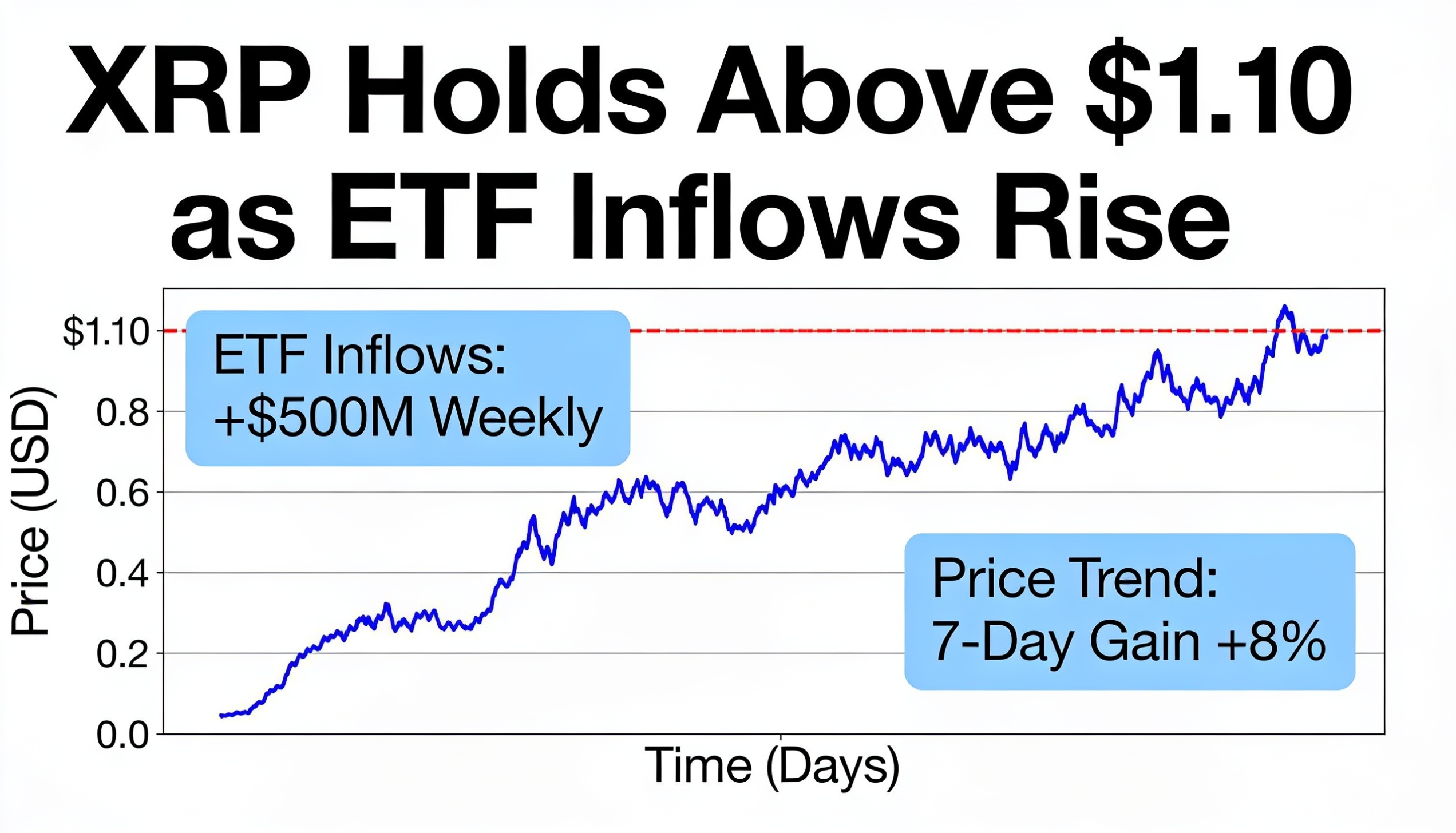
XRP and HYPE also advanced 3.2% and 6.3%, respectively, reinforcing the view that while gains are spreading across the market, they remain less pronounced at the Bitcoin level.