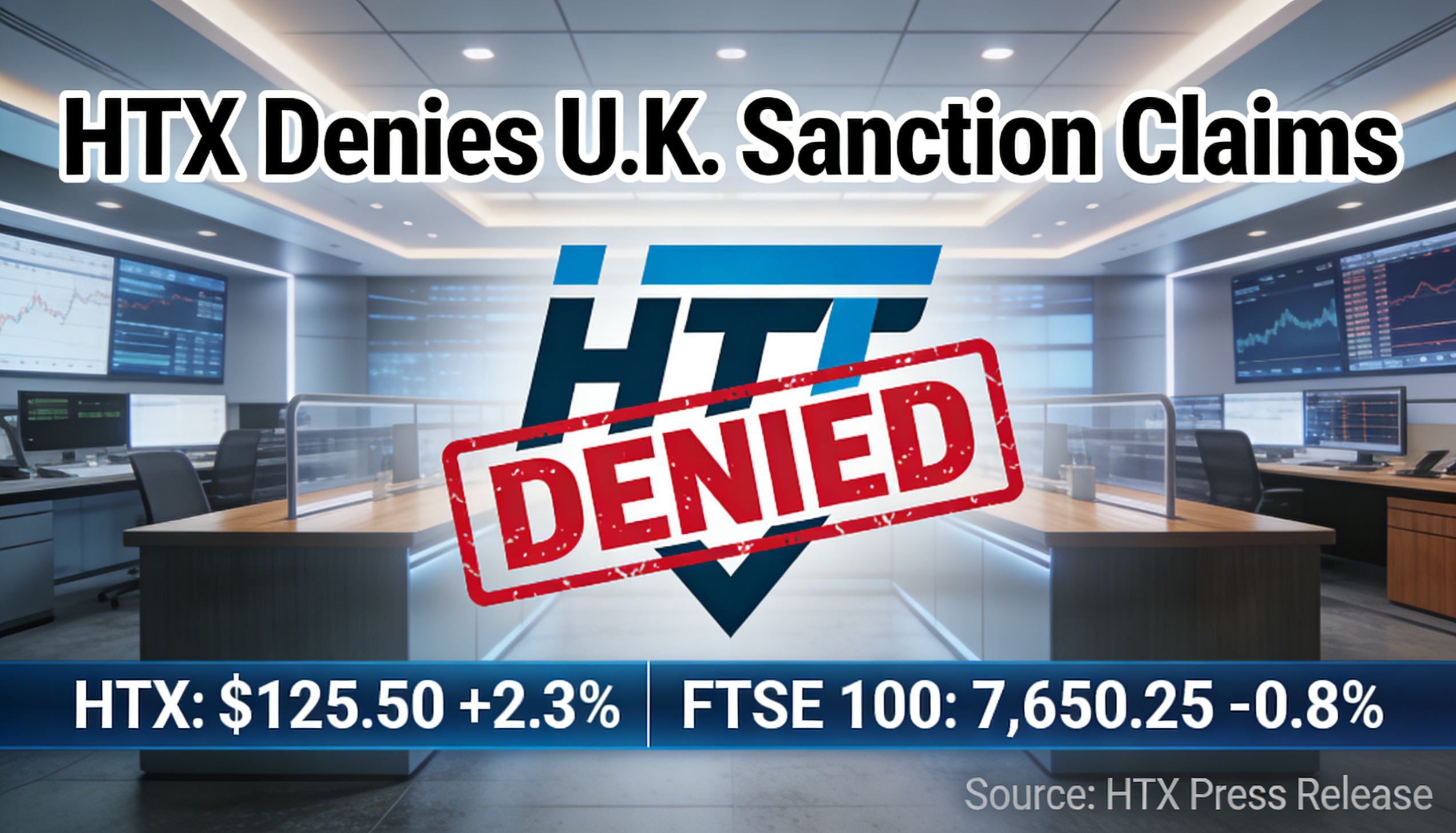
U.K. regulators have sanctioned crypto exchange HTX, saying they have “reasonable grounds to suspect” the platform may have supported Russia through links to the ruble-pegged stablecoin A7A5.
HTX has denied the accusations, pushing back against claims that it contributed to Russia’s “illicit financial infrastructure” used to move funds and sustain its war effort in Ukraine. The exchange said it had declined a request to list the A7A5 token after internal review.
“A7A5 submitted a listing request to our platform, but following a comprehensive due diligence and compliance assessment, we rejected the application,” an HTX spokesperson told CoinDesk.
A7A5 is issued by A7 LLC, an entity already under sanctions from several Western jurisdictions.
In its sanctions notice published Tuesday, the U.K. Foreign Office did not present concrete evidence of collaboration between HTX and A7A5. Instead, it stated that HTX was suspected of assisting A7, which it claims operates in a sector deemed strategically important to the Russian government.
Oleg Ogienko, an executive at A7A5, said the company had approached multiple centralized exchanges, including HTX, in an effort to secure listings.
“We contacted leading centralized exchanges months ago, including HTX, but they rejected our applications almost immediately due to concerns about secondary sanctions,” Ogienko said.
He added that A7A5 has since shifted its focus away from centralized platforms, relying instead on decentralized finance infrastructure.
“We no longer depend on exchange listings, as our model is built on DeFi,” Ogienko said, while noting the company remains open to collaboration with exchanges seeking to boost trading volumes and attract clients.
Earlier this year, Ogienko attended the Consensus Hong Kong conference, where he said his goal was to explore partnerships with crypto projects and protocols.
He also emphasized that A7A5 complies with regulatory requirements in Kyrgyzstan and Russia, as well as standards established by the Financial Action Task Force (FATF), the global watchdog overseeing anti-money laundering and counter-terrorism financing efforts.