A slate of mega IPOs led by SpaceX, OpenAI, and Anthropic is poised to draw over $240 billion in capital between June and the end of the year—surpassing the total raised by all venture-backed U.S. listings since 2000. With crypto markets reliant on the same pool of risk capital, the ripple effects could extend across digital assets.
SpaceX is expected to headline this wave. The company has confidentially filed with the SEC, targeting a $75 billion raise at a $1.75 trillion valuation. If it proceeds with a June debut at those levels, the offering would eclipse Saudi Aramco’s $29 billion IPO in 2019, making it the largest listing in market history. On Polymarket, traders currently assign a 65% chance to a June launch and a 53% probability that SpaceX closes its first day with a valuation above $2 trillion.
The pipeline continues later in the year. OpenAI is reportedly preparing for a fourth-quarter listing at a valuation near $1 trillion, while Anthropic could go public in October, potentially raising more than $60 billion. The clustering of these deals within a short timeframe sets up a significant demand shock for global liquidity.
Market observers warn that this environment often follows a familiar cycle—strong optimism leading into IPOs, followed by capital rotation once new shares are absorbed. Alex Good, founder of crypto AI venture Post Fiat, recently described the current phase as a “max bid” environment, with banks aggressively upgrading AI equities ahead of listings to maximize underwriting fees.
According to MSCI, megacap IPOs could trigger billions of dollars in index-driven flows, reshape sector weightings, and compress liquidity in assets outside the newly listed कंपनies.
Cryptocurrencies such as Bitcoin and Ethereum are part of the same risk-on ecosystem as tech and AI equities. In recent cycles, their correlation with major stock indices like the Nasdaq and S&P 500 has tightened, meaning capital redirected toward IPO allocations could reduce inflows into crypto markets.
History offers a cautionary example. Coinbase’s listing on April 14, 2021 coincided with bitcoin’s then-peak near $64,800, followed by a sharp 50% decline in the weeks that followed. What appeared to confirm mainstream adoption instead marked a turning point as capital rotated away.
While SpaceX is not a crypto-native firm, its IPO still intersects with digital asset flows. Around 30% of the deal—roughly $22 billion—is expected to be allocated to retail investors, a significantly higher share than typical for offerings of this scale. That allocation could divert funds that might otherwise flow into bitcoin, altcoins, or speculative tokens.
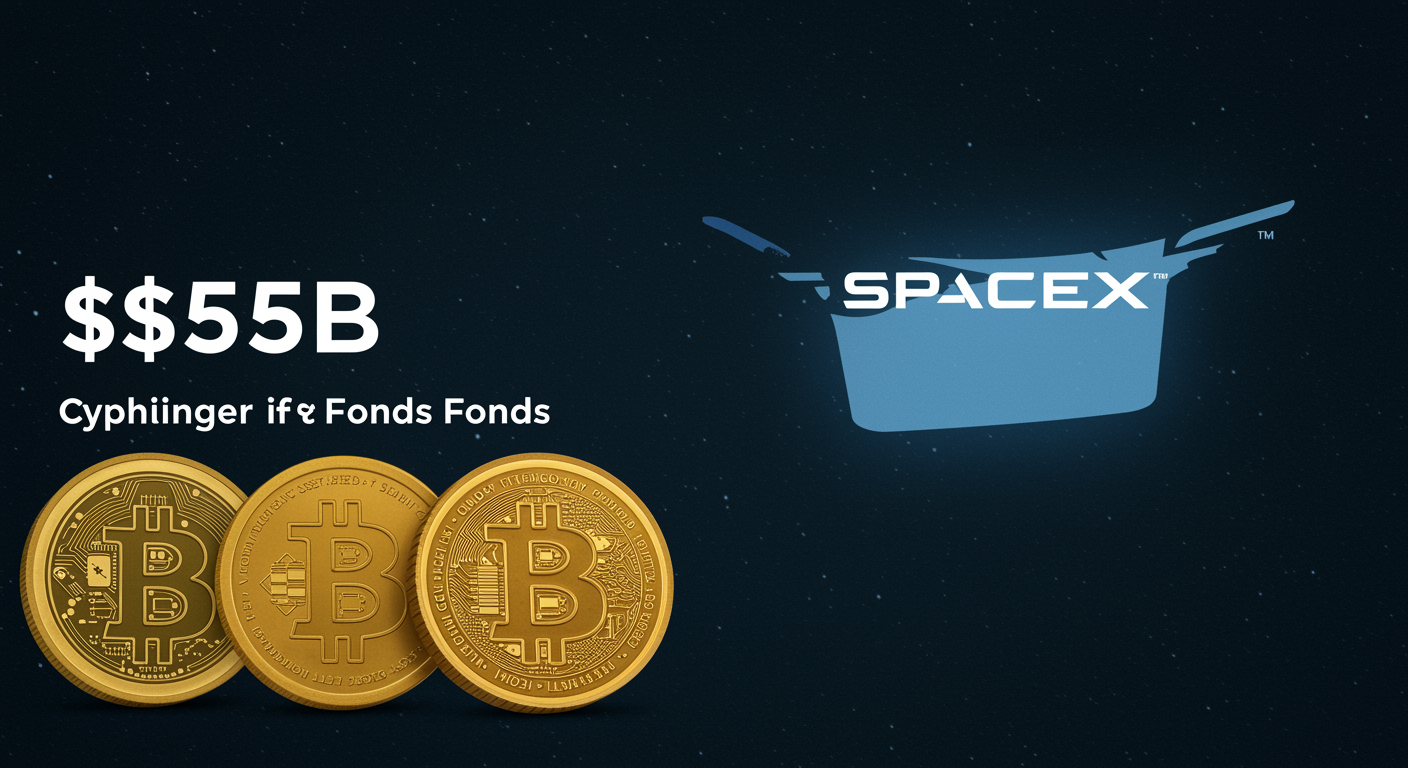
SpaceX also holds approximately 8,285 BTC, valued at around $600 million and custodied with Coinbase Prime, making it one of the first major IPO candidates to go public with a meaningful bitcoin position under updated accounting standards.
The coming weeks will be a key test for crypto markets. If prices soften during the IPO roadshow period in May and June, it may indicate investors are reallocating capital toward these listings. If bitcoin remains resilient, however, it could suggest that structural demand—such as spot ETF inflows—has reduced crypto’s dependence on broader liquidity cycles.
Unlike Coinbase’s $86 billion debut, SpaceX represents a far larger and more complex event. With multiple high-profile listings arriving in quick succession, markets are about to face a major liquidity shift—and crypto will be watching closely.