Bitcoin’s extended period of sideways trading may not be driven by macro forces alone — the growing demand for yield among investors is likely playing a central role in keeping price action subdued.
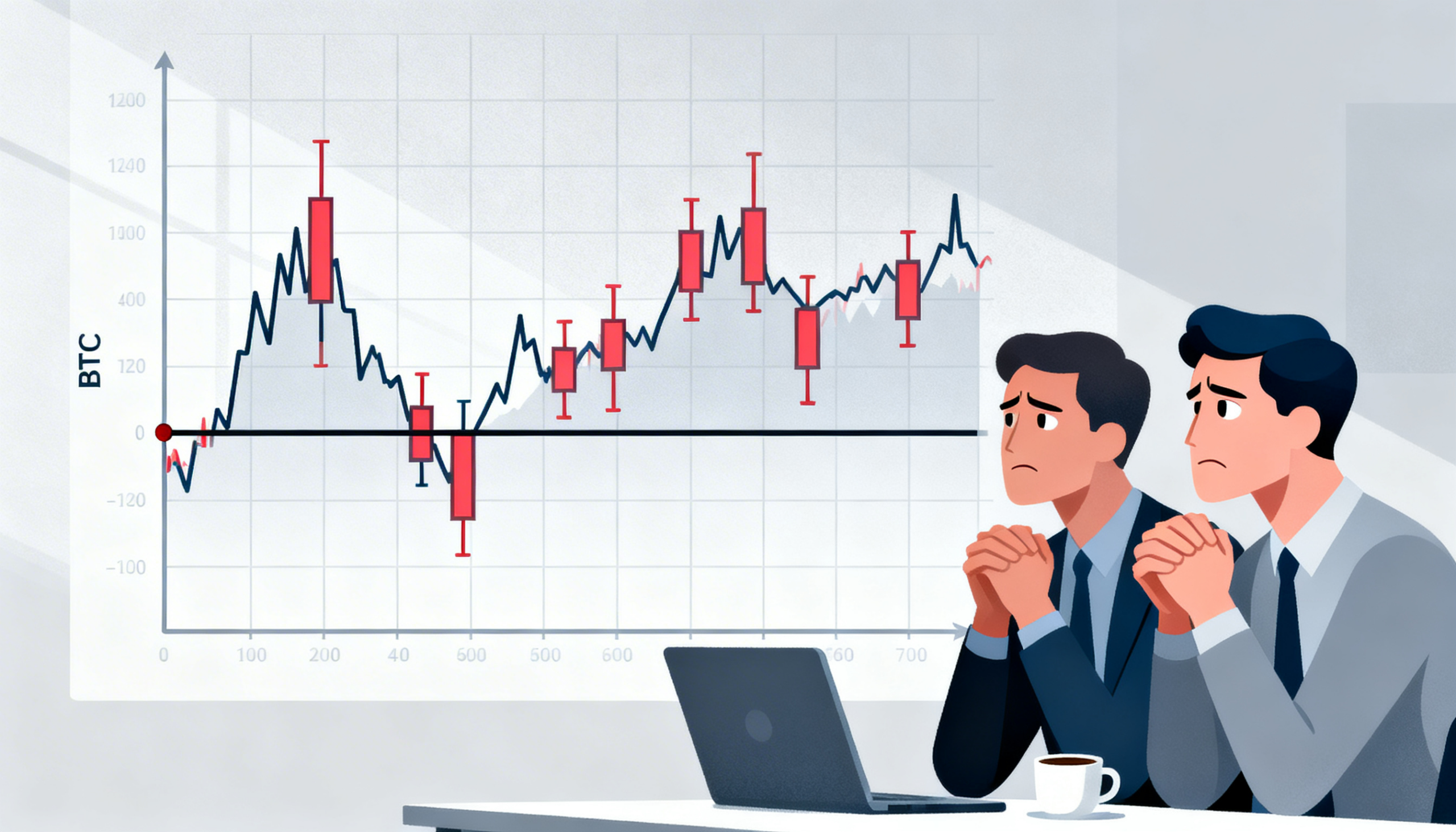
Since mid-February, BTC has remained rangebound around the $70,000 level. Geopolitical tensions tied to the Iran conflict have helped establish a floor near $65,000, while elevated U.S. Treasury yields have capped upside attempts above $75,000.
At the same time, a structural dynamic has emerged beneath the surface. Institutional investors have increasingly been deploying options strategies to generate additional income on their bitcoin holdings.
According to James Harris, CEO of digital asset manager Tesseract, market participants have spent much of the first quarter selling call options at higher strike prices to collect premium in a flat or declining market. This covered call strategy enhances yield but limits participation in upside moves.
In turn, this activity has shifted significant gamma exposure to market makers, who take the other side of these trades. To remain hedged, dealers are compelled to buy bitcoin on dips and sell into rallies — a process that naturally dampens volatility and reinforces rangebound conditions.
As a result, yield-seeking behavior is feeding directly into market structure, creating flows that counter large price swings and keep BTC confined within a narrow band.
This dynamic also helps explain the drop in implied volatility. Bitcoin’s 30-day BVIV index has fallen about 5% to 56% this month, even as volatility across equities, bonds, and oil markets has picked up.
Harris described the impact as a “mechanical suppression” of realized volatility, noting that volatility metrics have continued to compress despite an increasingly uncertain macro backdrop.
In effect, the hunt for yield may be doing more than boosting returns — it may be quietly anchoring bitcoin’s price in place.