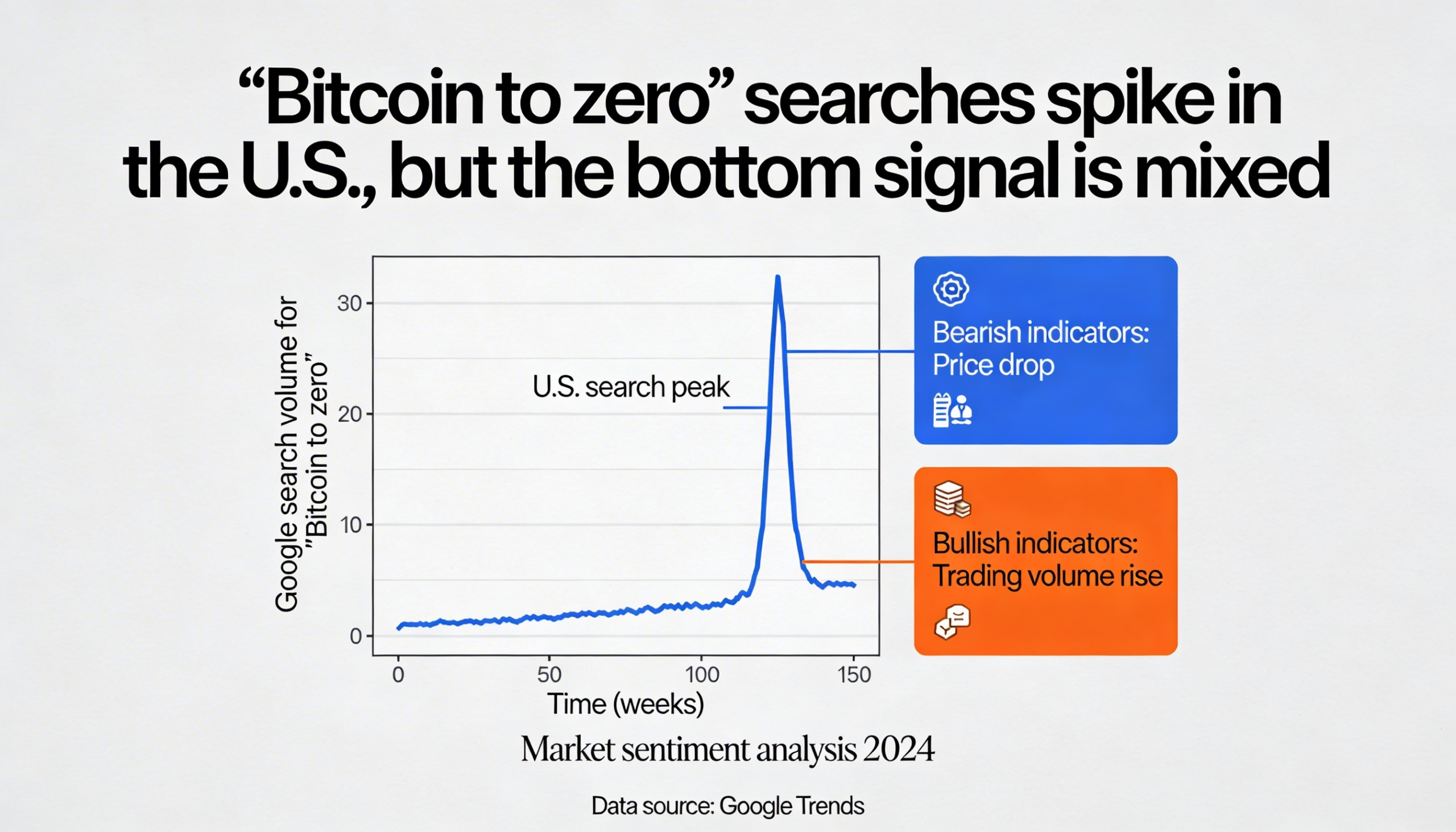
Interest in the phrase “bitcoin zero” has surged to unprecedented levels in the United States, while global search activity for the same term continues to ease.
Google Trends shows U.S. searches for “bitcoin zero” reached a peak reading of 100 in February on its relative interest scale. The spike came as bitcoin slid toward $60,000, deepening a correction of more than 50% from its October all-time high.
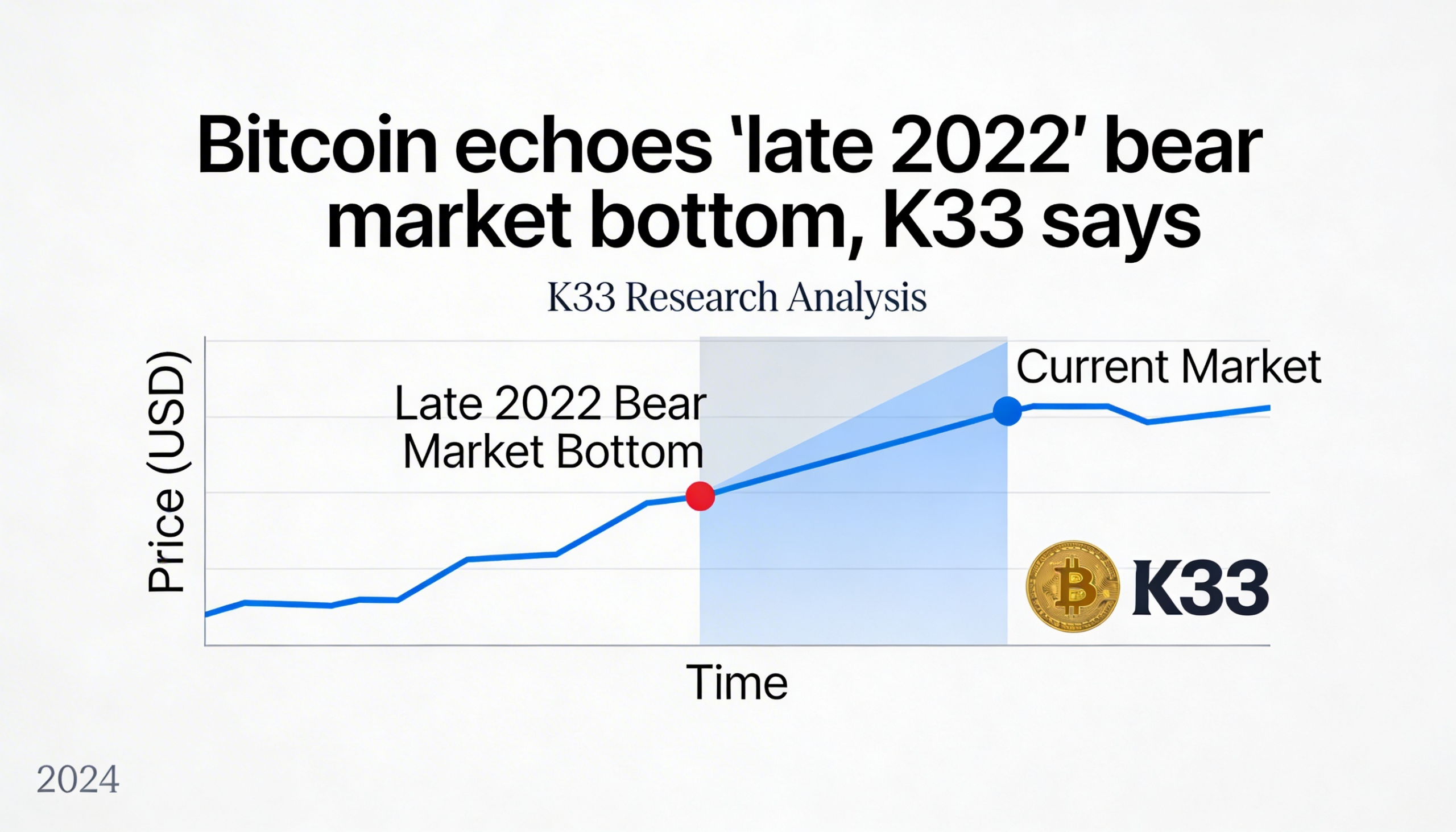
Historically, sharp increases in such bearish search queries have coincided with moments of capitulation. Comparable spikes in 2021 and 2022 emerged near local lows, lending support to the idea that extreme retail pessimism can act as a contrarian signal.
The global trend, however, tells a different story. Worldwide interest in the term peaked at 100 in August and has since declined steadily, dropping to 38 this month. Rather than intensifying alongside the latest selloff, global fear-driven searches have been cooling.
That divergence suggests the current anxiety may be more U.S.-centric than global in nature. Recent headlines have been dominated by American developments — including renewed trade tensions, geopolitical strains involving Iran and a broader risk-off rotation in domestic equities — potentially prompting a sharper reaction from U.S. retail investors than from market participants in Europe or Asia.
There is also an important methodological point. Google Trends does not provide raw search volumes; instead, it assigns a relative score between 0 and 100, where 100 represents the term’s highest popularity within the chosen timeframe.
As bitcoin’s user base and mainstream visibility have expanded significantly since earlier bear markets, a reading of 100 today does not necessarily imply a greater absolute number of searches than in past downturns. It simply indicates a spike relative to a higher baseline.
The conclusion: retail fear in the U.S. is clearly elevated. However, the traditional view that a surge in “bitcoin to zero” searches marks a definitive bottom may carry less weight when global interest is fading. The signal could still offer contrarian value — but it does not guarantee a clean or immediate reversal.