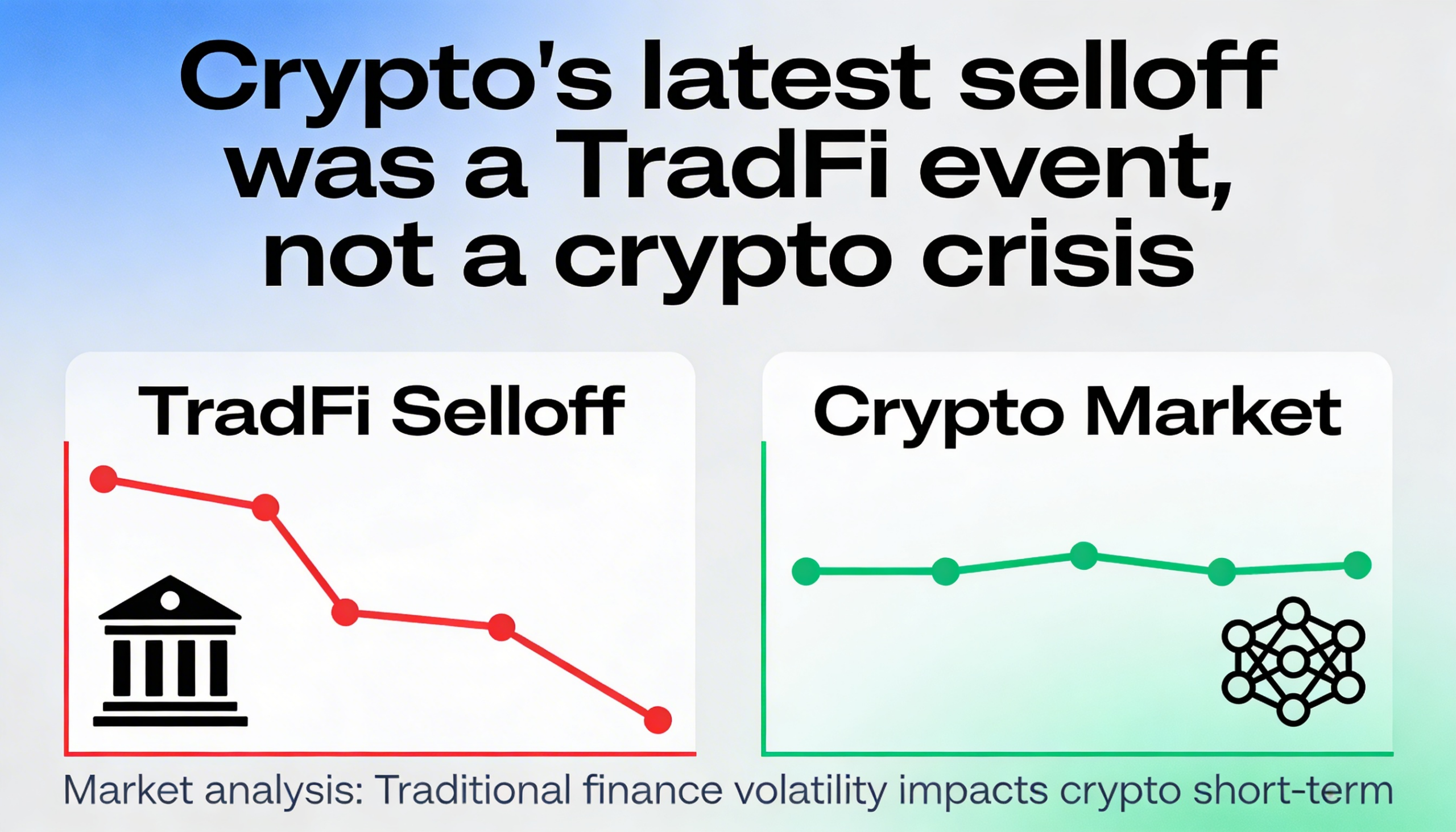
Last week’s drop in crypto markets was the product of a broader macro deleveraging cycle tied to traditional finance — not a fresh breakdown within the digital asset industry — according to speakers at Consensus Hong Kong 2026.
HONG KONG — The recent sell-off in bitcoin and other cryptocurrencies reflected tightening global liquidity conditions and the unwind of leveraged trades, rather than crypto-specific stress, market participants said during a panel discussion at the conference.
The downturn contrasted with the firm-specific collapses and scandals that defined 2022. Instead, it was driven by shifts in funding dynamics across traditional markets.
“Risk had already come down after Oct. 10,” said Fabio Frontini, founder of Abraxas Capital Management. “What we experienced was essentially spillover from traditional finance. Crypto now moves within the same macro framework as other risk assets.”
A key driver was the reversal of yen carry trades — a strategy in which investors borrow Japanese yen at relatively low interest rates and allocate the proceeds to higher-yielding assets such as equities, precious metals, bitcoin and ether.
The trade becomes vulnerable when Japanese interest rates rise or the yen appreciates. As funding costs increase, investors must buy back yen to repay loans, often forcing them to unwind leveraged positions. That process can amplify volatility across asset classes.
Thomas Restout, group CEO of B2C2, said rising rates and heightened market turbulence compounded the pressure. Increased volatility triggered higher margin requirements, raising the amount of collateral needed to maintain positions. In metals markets, for instance, margin requirements climbed from roughly 11% to 16%, prompting some participants to reduce exposure.
The result was synchronized weakness across risk assets, with crypto declining alongside equities and commodities rather than acting as the epicenter of instability.
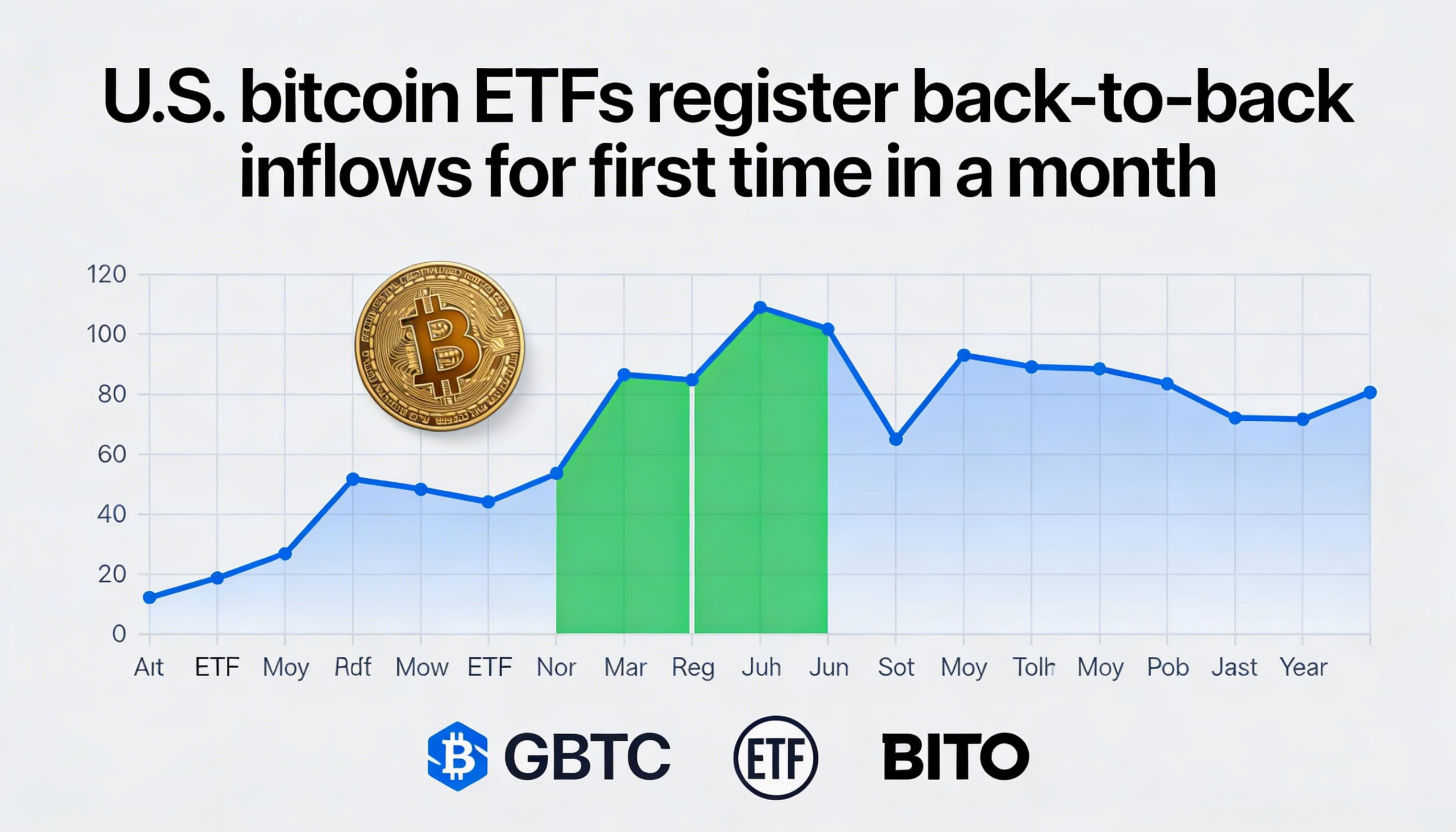
Spot bitcoin exchange-traded funds saw elevated volumes during the pullback, but panelists pushed back against the narrative of widespread institutional retreat. Assets under management in bitcoin ETFs peaked near $150 billion and currently stand around $100 billion, with approximately $12 billion in cumulative net outflows since October.
Those flows, speakers suggested, represent repositioning and ownership rotation more than systemic capitulation.
Looking ahead, panelists said the integration between traditional finance and blockchain infrastructure is set to deepen further. Emma Lovett, credit lead for Market DLT at J.P. Morgan, described 2025 as a regulatory turning point, particularly in the United States, where a more constructive policy backdrop has accelerated the use of public blockchains.
“What we began seeing in 2025 was the use of public chains and stablecoins to settle traditional securities,” Lovett said, signaling that convergence between mainstream financial systems and crypto rails is likely to accelerate into 2026.