Google: Bitcoin Could Face Quantum Threats Sooner Than Expected
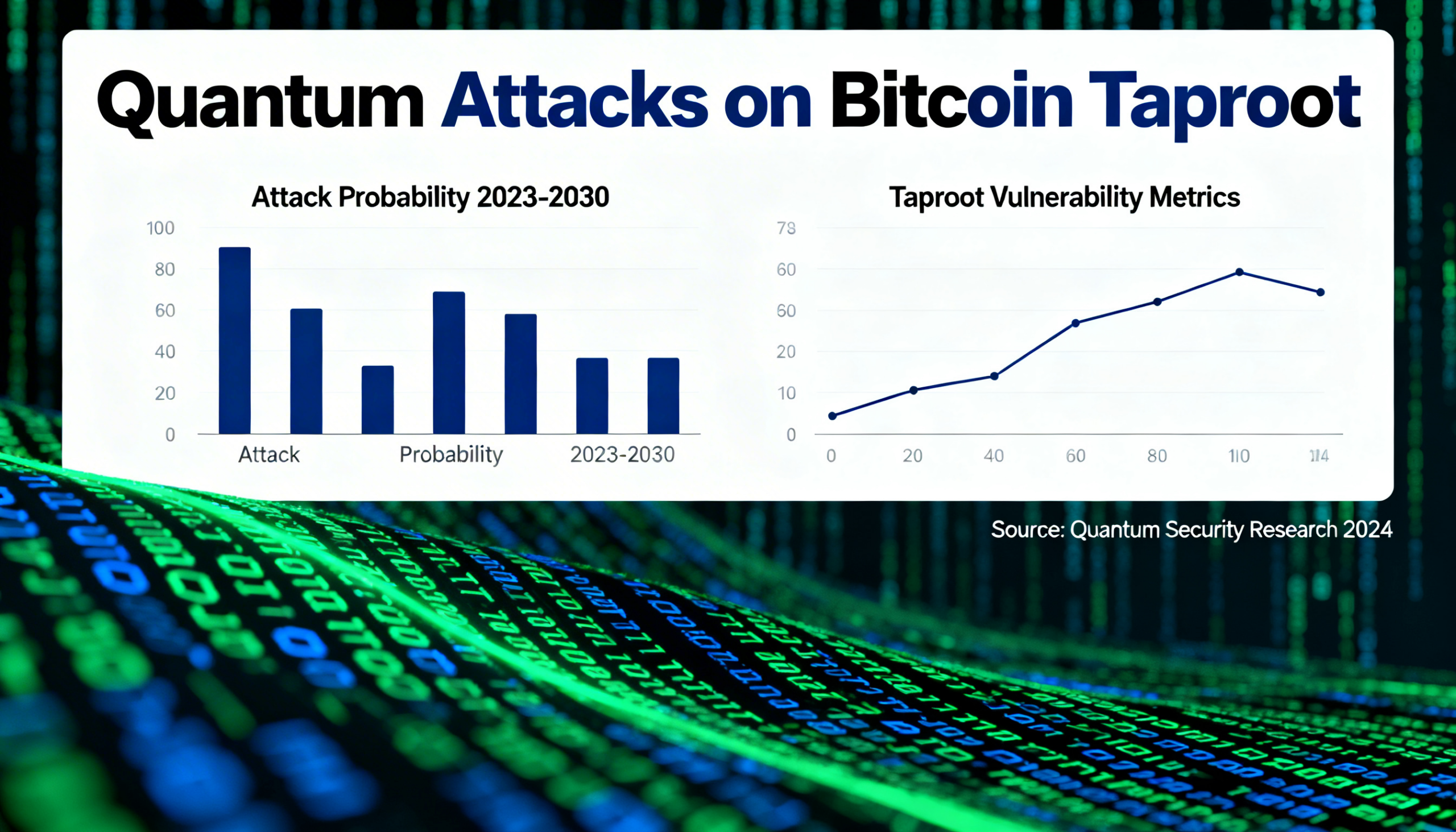
Bitcoin may be more vulnerable to quantum computers than previously thought, and its Taproot upgrade — designed to improve privacy and efficiency — could be part of the reason, according to Google’s Quantum AI team. A new whitepaper and blog post reveal that the computing power needed to break Bitcoin’s cryptography is far lower than earlier estimates.
Researchers found fewer than 500,000 qubits could compromise Bitcoin and Ethereum, far below the millions previously cited. Quantum attacks could target live transactions: when bitcoin is sent, the public key is briefly exposed. A fast enough quantum system could calculate the private key and redirect funds in about nine minutes — just under Bitcoin’s 10-minute confirmation time.
About 6.9 million BTC — roughly one-third of supply — sit in wallets with exposed public keys. Taproot, Bitcoin’s 2021 upgrade, made these keys visible by default, increasing potential risk.
Google used zero-knowledge proofs to verify findings without revealing attack methods. The key takeaway: quantum threats may arrive sooner, and the risks are broader than expected.