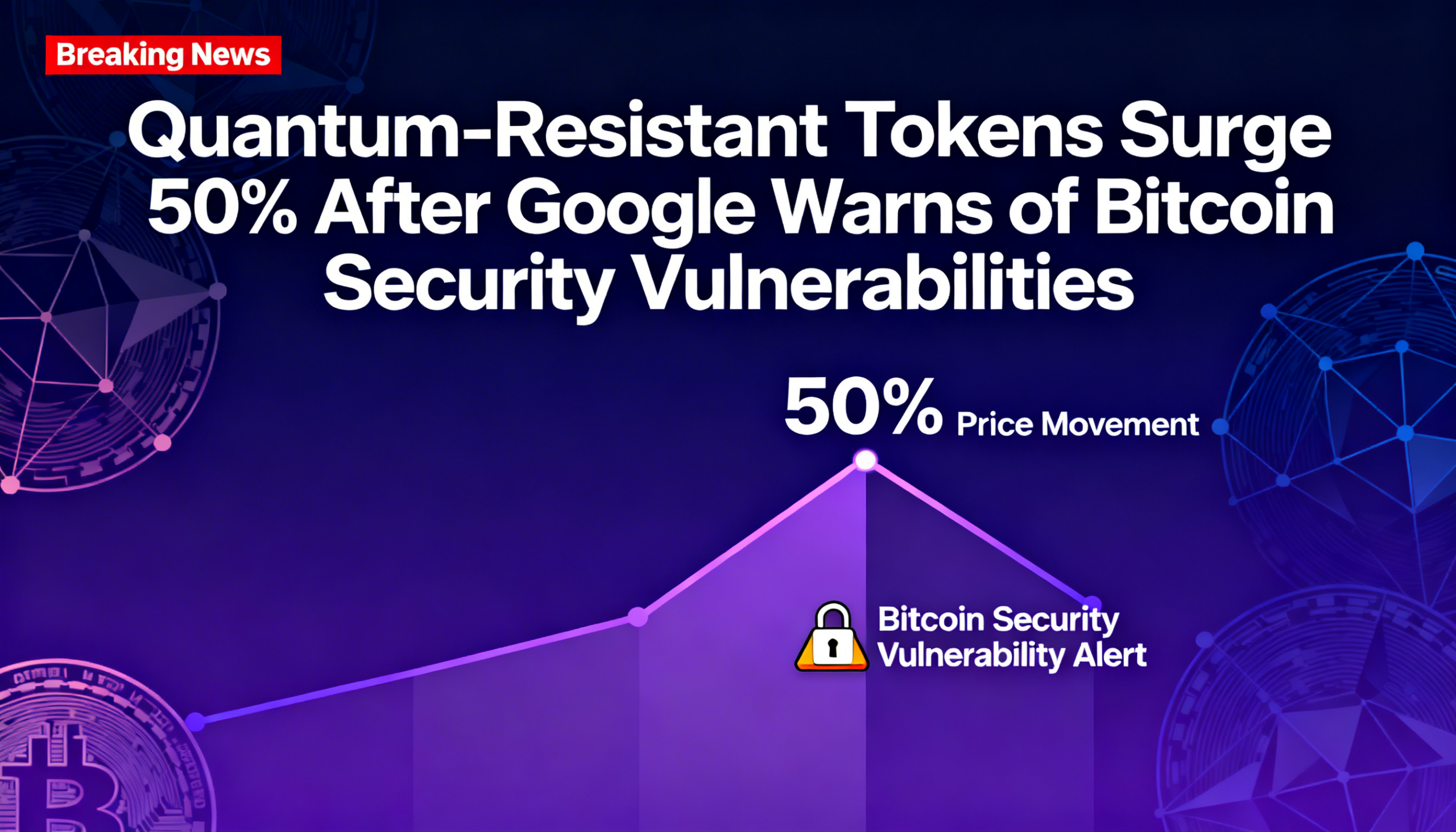
Quantum-resistant cryptocurrencies have jumped sharply as investors rotate into assets viewed as better positioned for a future shaped by advances in computing. The move follows a new research update from Google’s quantum division, prompting renewed scrutiny of the long-term security assumptions underpinning major blockchains.
Bitcoin and ether have remained relatively steady over the past 24 hours, showing only marginal gains. In contrast, a cluster of tokens tied to post-quantum cryptography has significantly outperformed, with several posting gains of more than 50%. The divergence highlights how quickly markets are beginning to factor in technological risks, even those that are still years from materializing.
The shift was triggered by findings from Google’s Quantum AI team, which suggested that breaking the elliptic-curve cryptography used by Bitcoin may require fewer than 500,000 qubits—well below earlier estimates. This has led some analysts to point to the end of the decade, around 2029, as a potential deadline for the crypto industry to reinforce its security infrastructure.
According to the research, a sufficiently advanced quantum computer could theoretically compromise Bitcoin’s protections in a matter of minutes. Separate analysis has also identified vulnerabilities within Ethereum, outlining several attack pathways that could expose significant value across DeFi and tokenized ecosystems.
While such quantum capabilities remain theoretical for now, the market’s response suggests investors are increasingly pricing in long-term disruption scenarios.
Over the past day, projects emphasizing post-quantum resilience have attracted strong inflows. Quantum Resistant Ledger (QRL) and Cellframe (CEL) have surged roughly 50%, while Abelian (ABEL) has climbed around 25%. Qubic (QUBIC) and QANplatform (QANX) have also advanced, alongside gains in privacy-focused Zcash (ZEC).
The combined market capitalization of this segment—covering about 20 tokens—has risen to approximately $4.66 billion, reflecting growing attention toward “future-ready” crypto assets. Although Zcash is not fully quantum-resistant, its use of advanced cryptographic techniques and ongoing research into post-quantum solutions places it within the broader narrative.
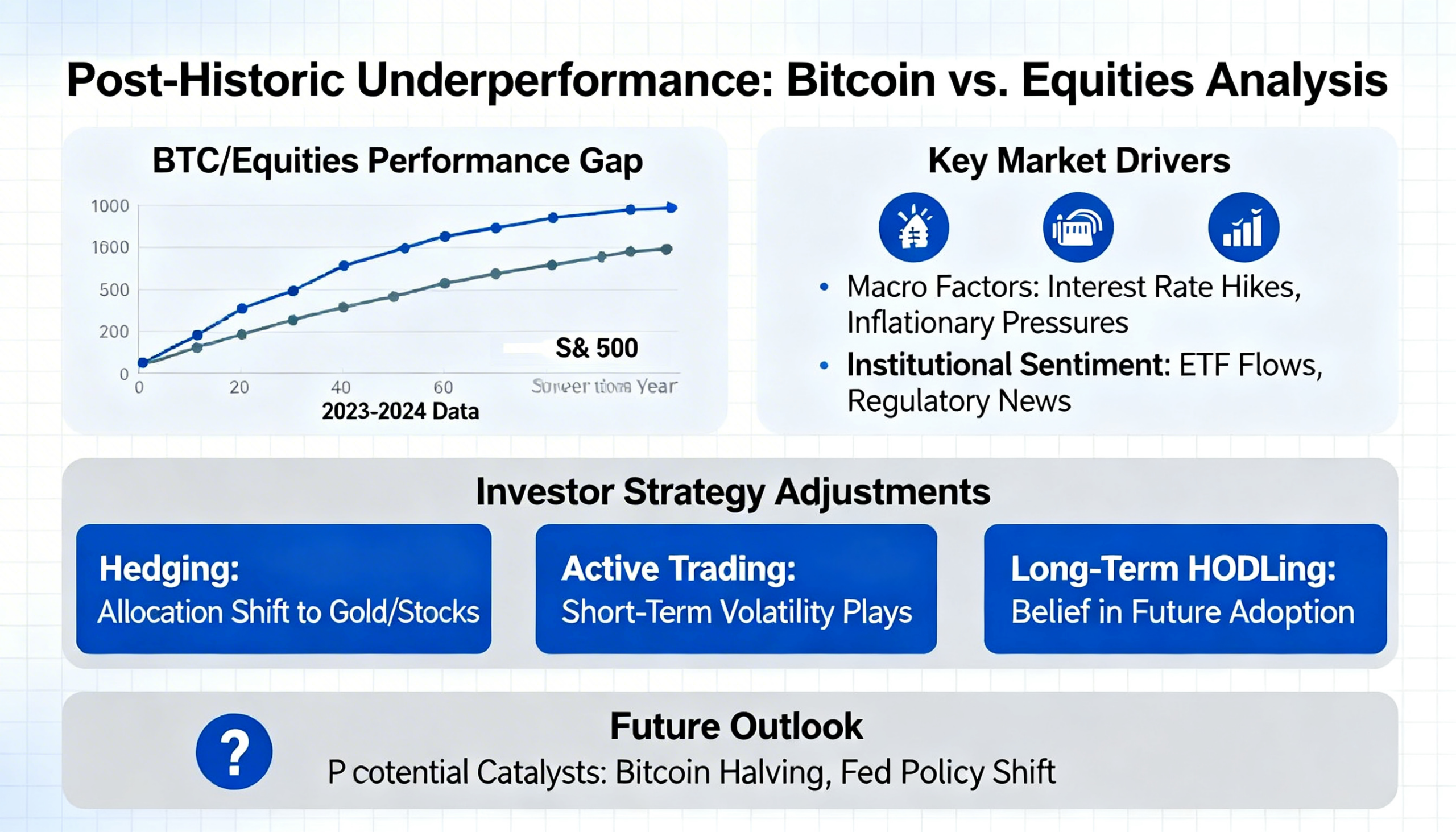
Even though the risks remain largely theoretical, their influence on market behavior has been building. Some analysts argue that concerns over quantum threats have already weighed on Bitcoin’s performance. Capriole Investments founder Charles Edwards has suggested these concerns contributed to Bitcoin’s underperformance relative to traditional markets in the second half of 2025.
Notably, that same period saw Zcash stage a significant rally, surging more than 1,200% to a peak near $744—illustrating how quickly capital can shift toward narratives centered on long-term technological resilience in the crypto space.